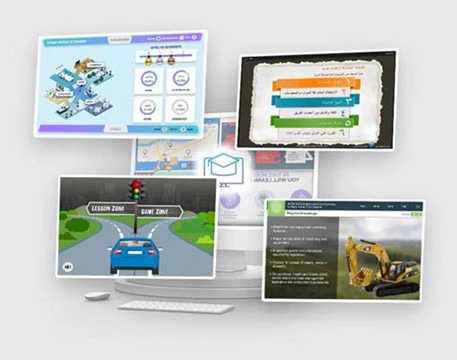
Modern organizations are constantly looking for smarter ways to train their workforce and improve knowledge retention. A well-designed blended learning solution combines digital learning tools with instructor-led training, creating a flexible and engaging learning experience for employees. By integrating online modules, interactive content, and real-world practice, companies can deliver more effective corporate training programs that support continuous skill development. Businesses that adopt this approach often see improved employee engagement, stronger knowledge retention, and better workplace performance. As corporate learning evolves, blended strategies are becoming a key component of scalable training programs designed to meet the needs of modern teams.
Why Is Blended Learning Becoming a Preferred Corporate Training Strategy?
Corporate training has shifted dramatically in recent years as organizations embrace digital learning technologies. Traditional classroom sessions alone are no longer enough to support the learning needs of remote teams and fast-changing industries.
Blended learning addresses this challenge by combining multiple training methods such as online courses, virtual classrooms, instructor-led workshops, and self-paced learning modules. This integrated approach allows employees to learn in a way that fits their schedules while still benefiting from guided instruction and collaborative experiences.
For businesses, this training model creates a flexible system that supports both structured learning and continuous professional development.
1. How Does Blended Learning Improve Employee Engagement?
Employee engagement is one of the most important factors influencing learning success. When training content is interactive and relevant to real job roles, employees are more likely to participate actively.
Blended training programs increase engagement by using:
- Interactive eLearning modules
- Video-based lessons and visual storytelling
- Real-world scenarios and simulations
- Instructor-led discussions and collaborative activities
These elements transform traditional training into a dynamic learning experience that encourages employees to stay involved throughout the program.
2. Can Blended Training Increase Knowledge Retention?
Knowledge retention is a major challenge in corporate learning. Employees often forget information from long training sessions if they do not apply it immediately.
Blended learning improves retention by combining different learning methods that reinforce knowledge over time.
For example:
- Online modules allow employees to review lessons multiple times.
- Instructor-led sessions provide clarification and deeper understanding.
- Practical exercises help employees apply concepts in real situations.
This combination helps employees remember and apply what they learn more effectively.
3. Why Do Flexible Learning Formats Benefit Modern Workforces?
Today’s employees work in diverse environments, including remote, hybrid, and global teams. Flexible training options allow organizations to support learning across different locations and schedules.
Blended learning provides flexibility through:
- Self-paced digital courses
- Virtual learning sessions
- Mobile-friendly training platforms
- On-demand learning resources
These options enable employees to access training whenever it fits their work schedule, making learning more accessible and convenient.
Organizations that want to implement structured blended learning programs often explore professional development services offered by Brilliant Teams, which specialize in scalable corporate learning strategies.
4. How Does Interactive Learning Strengthen Skill Development?
Interactive learning plays a critical role in helping employees build practical workplace skills. Passive learning methods such as lectures or static slides often fail to create meaningful understanding.
Blended learning environments incorporate interactive elements such as:
- Scenario-based learning activities
- Decision-making simulations
- Knowledge quizzes with instant feedback
- Collaborative problem-solving exercises
These activities encourage employees to actively engage with the material, which significantly improves skill development and knowledge retention.
5. Can Microlearning Improve Training Effectiveness?
Microlearning is a powerful strategy used in many modern training programs. Instead of delivering large amounts of information at once, microlearning breaks content into small, focused lessons.
Benefits of microlearning include:
- Easier understanding of complex topics
- Short learning sessions that fit busy schedules
- Higher engagement and completion rates
- Improved memory retention through repeated exposure
When integrated into blended learning programs, microlearning allows employees to quickly review key concepts and reinforce their knowledge over time.
6. How Do Data and Learning Analytics Improve Training Results?
One advantage of digital learning technologies is the ability to track employee progress and measure training effectiveness.
Learning platforms can provide insights such as:
- Course completion rates
- Assessment performance
- Learner engagement levels
- Areas where employees need additional support
These data-driven insights allow training managers to refine programs and ensure employees receive the most relevant learning experiences.
7. Why Do Organizations Invest in Blended Learning for Long-Term Growth?
Organizations that invest in modern learning strategies often see long-term benefits beyond employee training.
Blended learning supports:
- Continuous professional development
- Faster onboarding for new hires
- Improved collaboration across teams
- Greater adaptability in changing industries
By developing a culture of learning, businesses can create more skilled and confident workforces that contribute to organizational growth.
Companies exploring advanced corporate learning strategies frequently collaborate with experienced elearning companies in australia to design scalable training programs tailored to their workforce needs.
Final Thoughts
Blended learning has become one of the most effective approaches to modern corporate training. By combining digital learning tools, instructor-led sessions, and interactive experiences, organizations can create engaging programs that improve employee training outcomes and knowledge retention. This approach allows employees to learn flexibly, practice skills in realistic scenarios, and apply knowledge directly in their roles. Businesses that adopt blended learning strategies are better positioned to develop talent, strengthen workforce capabilities, and remain competitive in today’s evolving workplace environment.