Chocolate can be more than a sweet treat. The right variety can add depth to desserts, improve homemade recipes, or simply make a break feel special. With many cocoa percentages, textures, and formats available, choosing chocolate can feel confusing. Understanding what to look for makes the process easier, especially when comparing a coco chocolate bar with baking-focused options. Price also matters, but it should be considered alongside cocoa content, ingredients, texture, and intended use. This guide covers practical points to help you make a better chocolate choice for every occasion.
1. Start With the Cocoa Percentage
One of the first things to check when buying chocolate is the cocoa percentage. It tells you how much of the chocolate comes from cocoa ingredients. Generally, a higher cocoa percentage means a stronger and more intense chocolate flavour.
What Different Percentages Can Offer- Lower cocoa percentage: Usually milder and sweeter.
- Medium cocoa percentage: Offers a balanced combination of sweetness and cocoa flavour.
- High cocoa percentage: Provides a deeper, richer, and more intense taste.
- Very high cocoa percentage: Better suited to people who enjoy strong and less sweet chocolate.
The ideal percentage depends on personal taste. If you enjoy creamy and sweet flavours, milk chocolate can work well. If you prefer a bold cocoa taste, dark chocolate with a higher percentage may be more suitable.
2. Understand the Difference Between Eating and Baking Chocolate
Not every chocolate product serves the same purpose. Some are created mainly for direct consumption, while others are designed to perform well during baking, coating, moulding, or dessert preparation.
An everyday chocolate bar is generally made to offer a pleasant eating experience. Baking chocolate, on the other hand, may focus more on melting properties, cocoa content, consistency, and finish.
This difference is important when selecting chocolate for a particular recipe. A product that tastes excellent on its own may not always provide the texture or melting behaviour required for a technical dessert.
3. Look Beyond the Price Tag
Price is naturally an important factor when buying chocolate, but the lowest price does not always mean the best value. You should consider the quantity, ingredients, cocoa content, quality, and intended use before making a decision.
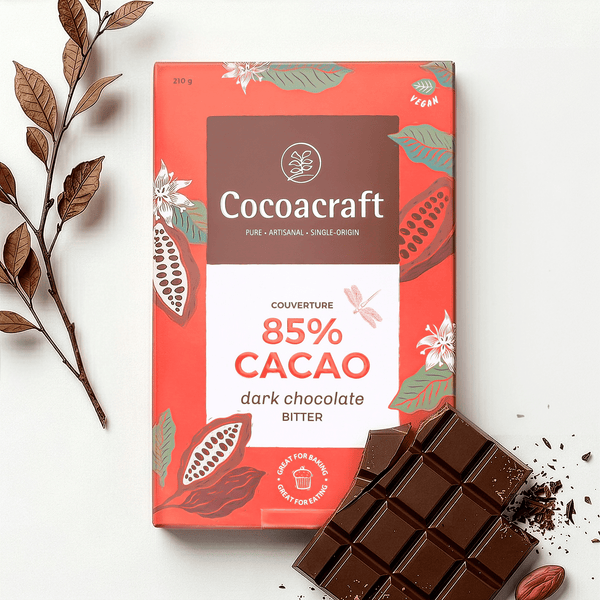
When checking the couverture chocolate price, consider these points:
- Quantity: Compare the price based on weight rather than the packet size.
- Cocoa content: Higher cocoa content can affect the overall price.
- Ingredients: Check the type and quality of cocoa and other ingredients used.
- Purpose: Decide whether you need chocolate for eating, baking, coating, or decoration.
- Frequency: Occasional users may prefer smaller packs, while regular bakers may benefit from larger quantities.
A simple price comparison becomes more useful when these factors are considered together.
4. Choose Chocolate Based on Your Intended Use
The best chocolate depends heavily on what you plan to do with it. Buying a premium chocolate for a basic snack may not always be necessary, while using ordinary eating chocolate for a demanding baking project may affect the final result.
For Everyday SnackingLook for a pleasant texture, balanced sweetness, and flavours that match your preference. Nuts, caramel notes, or creamy milk chocolate can make a simple snack more enjoyable.
For BakingConsider cocoa intensity, melting behaviour, and consistency. Chocolate used in cakes, brownies, ganache, or fillings should work well with the other ingredients.
For Coating and DecorationSmooth melting and setting properties become especially important. The finished chocolate should create an even appearance and suitable texture.
Thinking about the purpose before purchasing can help you avoid choosing based only on packaging or price.
5. Check the Texture and Ingredients
Texture can strongly influence how enjoyable chocolate feels when eaten. Good chocolate should have a texture that suits its style, whether that means creamy milk chocolate, firm dark chocolate, or a product containing crunchy ingredients.
The ingredient list can also tell you more about what you are buying. Look for information about:
- Cocoa solids
- Cocoa butter
- Milk ingredients
- Sugar
- Nuts or other additions
- Flavouring ingredients
If you have specific dietary preferences or ingredient restrictions, reading the label becomes even more important.
For a coco chocolate bar, checking the ingredients and cocoa percentage can help you understand whether it matches your preferred flavour and sweetness level.
6. Think About Flavour Pairings
Chocolate can be enjoyed by itself, but its flavour can also work beautifully with other ingredients. Choosing the right combination can make desserts and snacks more interesting.
Popular Pairing Ideas- Dark chocolate and nuts: A rich combination with added crunch.
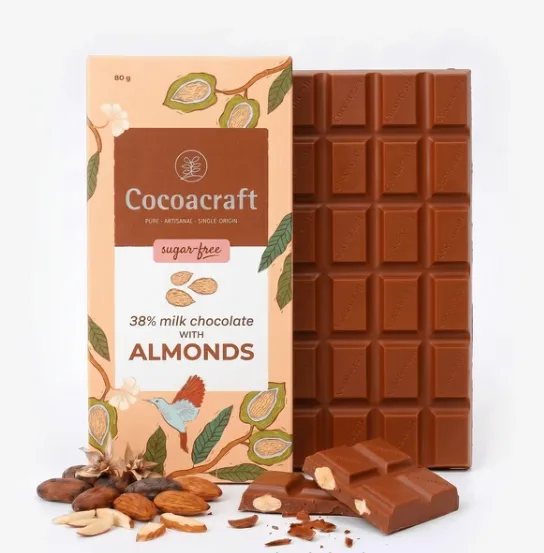
- Milk chocolate and almonds: Creamy, sweet, and nutty.
- Dark chocolate and berries: The tartness of berries can balance intense cocoa.
- Chocolate and coffee: Strong flavours can complement each other.
- Chocolate and coconut: A softer, sweeter combination.
These pairings can also help you decide what kind of chocolate to keep at home. If you regularly prepare desserts, think about the ingredients you already use and select chocolate accordingly.
7. Consider Quality When Buying Chocolate
Quality is not determined by price alone. A well-made chocolate product should offer a balanced flavour, suitable texture, and ingredients that fit its intended purpose.
For dark chocolate lovers, cocoa intensity may be one of the most important factors. Those who prefer sweeter options may care more about creaminess and additional ingredients such as almonds.
It is also useful to think about freshness and storage. Chocolate should generally be kept away from excessive heat, moisture, and direct sunlight. Proper storage helps maintain its texture and flavour for longer.
If you are purchasing chocolate for a special recipe, buying the right quantity and storing it correctly can also reduce unnecessary waste.
8. Compare Options Before Making Your Final Choice
With so many chocolate varieties available, taking a few minutes to compare options can make shopping easier. Instead of focusing on one feature, look at the complete picture.
A Simple Buying ChecklistBefore purchasing, ask yourself:
- Is the cocoa percentage right for my taste?
- Do I want chocolate for eating or baking?
- Does the ingredient list suit my preferences?
- Is the texture appropriate?
- Does the quantity match my requirements?
- Is the price reasonable for the quality and purpose?
- How will I store the chocolate after opening?
This approach is particularly helpful when comparing products with different cocoa percentages and formats. It can also prevent you from spending more on features you do not actually need.
Conclusion
Choosing chocolate becomes easier when you know what matters beyond the wrapper. Cocoa percentage, ingredients, texture, intended use, and value all influence whether a product suits your needs. A coco chocolate bar can be a convenient choice for everyday enjoyment, while couverture-style chocolate may suit specific baking and finishing tasks. Comparing the couverture chocolate price with quality and usage can help avoid paying more than necessary. Cocoacraft offers a range for different tastes, from intense dark chocolate to milk chocolate with almonds, giving chocolate lovers several options to consider at home.