Promoting a small business locally is about more than simply putting your name in front of potential customers. It is about becoming recognizable, building relationships, and making it easy for people in your community to understand what you offer.
Digital marketing can help businesses reach customers online, but traditional marketing still has an important role in local promotion. Community events, partnerships, storefront displays, and printed materials can work alongside social media and local search to create a more complete marketing strategy.
Whether you operate a retail store, restaurant, professional service, construction company, or another local business, these seven strategies can help you strengthen your presence in the community.
1. Participate in Local Community Events
Local events provide an opportunity to interact directly with people who live and work in your area. Festivals, farmers markets, charity events, trade shows, business networking events, and community gatherings can all provide opportunities to introduce your business to a relevant audience.
Instead of simply attending an event, look for ways to participate. You could sponsor an activity, provide promotional materials, set up a booth, or collaborate with another local organization.
Events can also generate content for your digital marketing channels. Photos from an event, a short recap, or information about your community involvement can be shared on social media and your website.
For businesses serving communities such as Joplin, Carthage, and other areas of Southwest Missouri, local involvement can help create stronger connections with nearby customers.
2. Partner With Complementary Local Businesses
Another effective way to increase local visibility is to work with businesses that serve a similar audience without directly competing with you.
For example, a hotel could partner with local restaurants and attractions. A real estate professional could work with home improvement companies. A fitness business might collaborate with a nearby wellness provider.
These partnerships can take many forms, including referral programs, joint promotions, community events, and shared marketing campaigns.
Printed materials can also make these partnerships easier to execute. A business could provide promotional cards to a partner location or create a special offer that customers can discover while visiting another local business.
The key is to choose partners whose customers are likely to have a genuine interest in your products or services.
3. Use Printed Materials Where Local Customers Spend Time
Online advertising is useful, but physical marketing materials can put your message directly in front of people in places they already visit.
Depending on your business, you might use brochures, flyers, postcards, business cards, or other promotional pieces at offices, community centers, hotels, restaurants, visitor locations, events, and partner businesses.
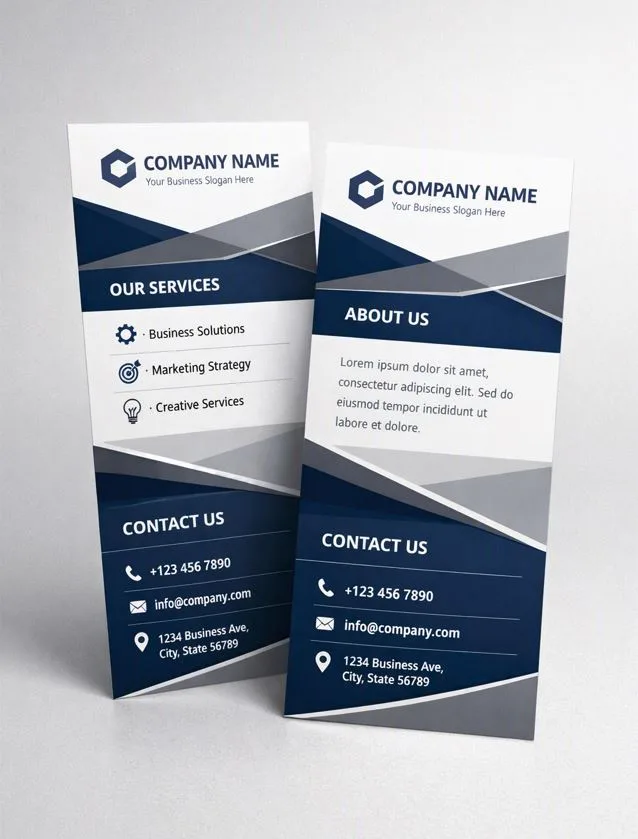
Rack cards are particularly useful when you need to present information in a compact and easy-to-display format. A well-designed piece can highlight your services, provide contact information, promote an offer, or direct people to your website.
Businesses looking for rack card printing can also consider factors such as paper stock, finish, color quality, layout, and the amount of information included. The objective should be to make the message easy to understand while giving the reader a clear next step.
For businesses using multiple forms of print marketing, resources such as professional printing services can help support a consistent visual identity across different materials.
4. Turn Your Storefront Into a Marketing Tool
Your storefront is often one of the first things potential customers see. A clear and professional exterior can help people recognize your business and understand what you offer.
Signs, window graphics, decals, banners, and other displays can communicate your brand even when customers are simply passing by.
Think about what someone should understand within a few seconds of seeing your location. Your business name should be visible, your primary service should be easy to identify when appropriate, and important contact information should not be difficult to find.
Seasonal promotions can also provide opportunities to refresh your storefront. Temporary banners or window displays can promote events, new services, sales, or community activities without requiring a complete redesign of your permanent signage.
Consistent branding between your storefront and printed marketing materials can make your business easier to recognize across different locations.
5. Strengthen Your Local Online Presence
Local marketing increasingly happens both online and offline. Even when someone discovers your business through a printed advertisement or community event, they may search for your company online before making contact.
Start by making sure your business information is accurate and consistent. Your business name, address, phone number, website, hours, and services should be easy to find.
Your Google Business Profile can also provide an important connection between your business and local searchers. Keep your profile updated with current information, photos, services, and other relevant details.
Your website can support this strategy by publishing useful information related to your customers and community. For example, a local service company could create guides, answer common customer questions, or discuss projects relevant to the region.
Social media can complement these efforts by showing the people and activities behind your business. Community involvement, completed projects, customer experiences, and local partnerships can all provide useful content.
6. Make Referrals Easy
Word-of-mouth can be valuable for businesses that depend on local customers. However, customers need an easy way to share your business with someone else.
Start with a simple and memorable message about what your business does. Make sure your website and contact information are easy to access, and consider creating a referral program when it makes sense for your business.
Physical marketing materials can support referrals too. A business card, promotional card, or small printed handout can give an existing customer something tangible to pass along.
For businesses that attend networking events or meet customers face-to-face, keeping professional business cards available can make it easier to continue the conversation after the initial meeting.
The important thing is to make the referral process straightforward rather than asking customers to remember complicated instructions.
7. Keep Your Brand Consistent
Local businesses often use several marketing channels at the same time. A customer might see a social media post one day, pass your storefront the next, and receive a printed promotion later.
If all three look completely different, it can be difficult for the customer to connect them to the same business.
Use consistent branding across your marketing. Your logo, colors, typography, photography style, messaging, and contact information should work together wherever possible.
This does not mean every marketing piece needs to look identical. Instead, the important visual and messaging elements should create a recognizable connection between your different campaigns.
For example, the design used on your promotional print materials can complement your signage and digital marketing rather than appearing as a completely separate brand.
Combine Digital and Offline Marketing
A strong local marketing strategy does not have to depend entirely on digital advertising or traditional promotion. Businesses can combine several methods to reach customers at different points in their daily routines.
Community events can create personal connections. Local partnerships can introduce your business to new audiences. Printed materials can keep your information available in physical locations, while storefront displays can increase visibility to people nearby.
At the same time, local search, social media, and a well-maintained website can help customers research your business after discovering it offline.
The most suitable combination depends on your industry, audience, location, and marketing goals. Start with the channels that are most relevant to your customers, measure the response, and adjust your approach over time.
For local businesses, consistent visibility is often more valuable than relying on one promotional campaign. By combining practical community involvement with well-planned digital and print marketing, you can create more opportunities for people to discover, remember, and engage with your business.