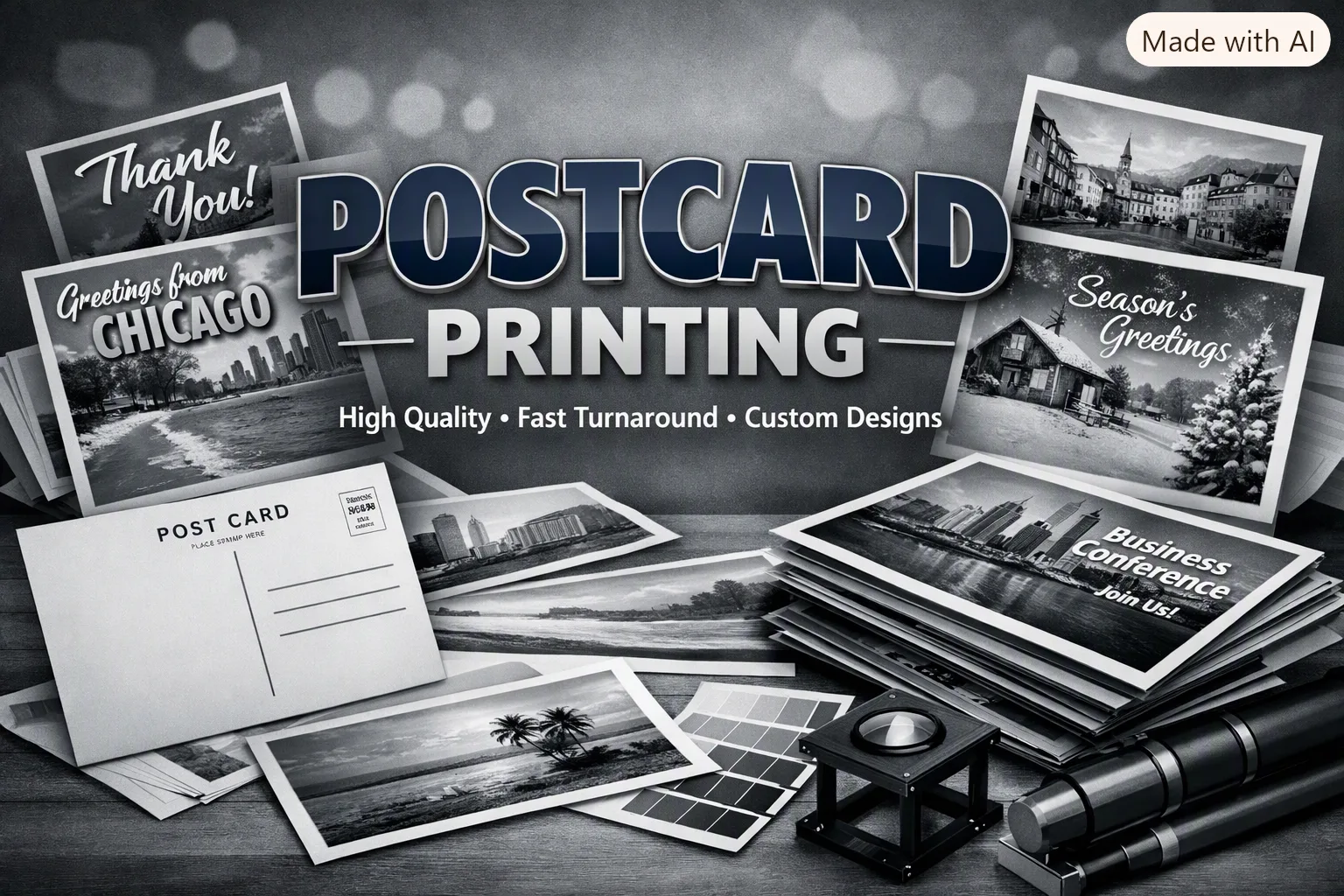
Local businesses have many ways to reach customers, from social media and email to search advertising and community events. However, printed marketing can still provide a direct way to put a business message into the hands of potential customers. Postcard marketing is particularly useful because postcards can deliver a focused offer, announcement, or reminder without requiring the recipient to open an email or search for the business online.
From promoting seasonal offers to introducing a new service, businesses can use postcards for several marketing purposes. With the right audience, message, design, and distribution strategy, postcards can complement a broader local marketing campaign.
Here are seven practical postcard marketing ideas local businesses can use.
1. Use Postcards to Promote Special Offers and Seasonal Deals
Postcards can help local businesses promote limited-time offers, seasonal discounts, sales, and customer incentives.
For example, a retail store might promote a seasonal sale, while a home-service company could use postcards to advertise spring or fall maintenance services. Restaurants can also use postcards to promote special menus, new offerings, or limited-time promotions.
The key is to make the offer easy to understand. Include a strong headline, the main promotion, an expiration date when appropriate, and a clear call to action.
Avoid overcrowding the postcard with too much information. Customers should be able to understand the main message within a few seconds.
2. Use Postcards to Reach Local Customers
One advantage of postcards is their ability to support location-focused marketing. A business can distribute postcards to selected neighborhoods, ZIP codes, or nearby communities where its services are available.
This approach can be useful for businesses that depend on local customers, including restaurants, contractors, retail stores, real estate professionals, healthcare practices, and home-service companies.
Custom postcards can also be designed around a specific campaign, location, promotion, or audience. Consistent branding, relevant imagery, and a concise message can help the postcard communicate the business identity while promoting a specific action.
3. Promote New Products and Services With Postcards
Launching a new product or service gives businesses another reason to communicate with their customers.
A postcard can introduce something new while directing recipients to a website, store, event, or contact page. For example, a landscaping company could announce a new maintenance package, while a retail business could promote a new product line.
When creating the postcard, focus on the most important benefit rather than listing every feature. A headline should quickly explain what is new, followed by supporting information and a simple call to action.
Adding a QR code can also connect the printed campaign with a digital destination such as a product page, online appointment form, menu, or promotional landing page.
4. Promote Local Events and Community Activities
Local businesses can use postcards to promote events that bring customers into a store or community space.
Possible uses include:
- Grand openings
- Workshops
- Open houses
- Customer appreciation events
- Seasonal events
- Community activities
- Product demonstrations
- Special shopping days
An effective event postcard should clearly display the event name, date, time, location, and any registration requirements.
A QR code can make registration easier when an event requires an online sign-up. Businesses can also include their website, phone number, or social media information so recipients have another way to learn more.
For community-focused businesses, event postcards can support both promotion and ongoing local visibility.
5. Use Direct Mail Postcards to Reach Target Customers
Direct mail postcards can be particularly useful when a business has a defined target audience.
Instead of sending the same message to everyone, businesses can create different campaigns based on geographic area, customer type, service needs, or previous interactions.
For example, a roofing company could target neighborhoods where homeowners may be interested in roof inspections. A real estate professional might send postcards to a specific area to introduce services or share local market information.
The more relevant the message is to the recipient, the easier it is to explain why the offer or information matters.
Before launching a campaign, businesses should identify:
- Who they want to reach
- Where those customers are located
- What they want recipients to do
- How campaign responses will be measured
This planning can help reduce wasted distribution and create a more focused campaign.
6. Create a Postcard Campaign for Repeat Customers
Postcards are not only for attracting new customers. They can also help businesses stay connected with existing customers.
Business postcards can be used for customer appreciation messages, seasonal reminders, loyalty promotions, service reminders, and announcements about new offerings.
For example, an automotive service business could send seasonal maintenance reminders, while a local retailer could notify previous customers about an upcoming sale.
A series of postcards may be more useful than a single mailing when the business has several relevant messages throughout the year. However, each mailing should provide a clear reason for the customer to pay attention.
Useful information and relevant offers can make repeat communication feel more valuable than simply sending promotional material without a clear purpose.
7. Invest in Professional Postcard Design and Printing
The physical quality and presentation of a postcard can influence how customers perceive the business.
Professional postcard design and printing involves more than placing a logo and promotional message on a piece of paper. Businesses should consider the layout, images, typography, colors, paper, finish, size, and amount of information included.
The design should guide the reader toward the most important information first. A strong headline can attract attention, while supporting copy should explain the offer or message without creating unnecessary clutter.
Businesses should also consider the intended use before selecting printing specifications. A promotional postcard may require a different approach from an event announcement or a service reminder.
Working with an experienced printing provider can help businesses select appropriate options for their campaign and maintain consistent print quality.
How to Make Your Postcard Marketing Campaign More Effective
An effective postcard campaign starts with one clear marketing goal, a defined audience, concise messaging, and a measurable call to action.
Before sending the postcards, determine what success means for the campaign. The goal could be generating appointments, increasing store visits, promoting an event, attracting new customers, or encouraging previous customers to return.
The postcard should then support that single objective.
A few practical considerations can improve the campaign:
- Use a headline that communicates the main message quickly.
- Keep important information easy to find.
- Use high-quality images that support the promotion.
- Include a clear call to action.
- Make contact information easy to locate.
- Consider adding a QR code.
- Use a unique promotional code to track responses.
- Choose a mailing audience that matches the offer.
Tracking is particularly important because it gives businesses a way to understand how the campaign performed. A unique coupon code, landing page, or QR code can help connect customer responses to a specific postcard campaign.
Choosing the Right Postcard Printing Options
The printing specifications should support the purpose of the campaign. Businesses may need to consider postcard size, paper stock, finish, color printing, and whether the design will be printed on one or both sides.
For example, a postcard with a highly visual promotion may benefit from a design that gives the image plenty of space. A service-based postcard may need more room for information, contact details, and a call to action.
Businesses should also consider quantity before placing an order. Printing requirements can vary significantly between a small neighborhood campaign and a larger direct-mail promotion.
Professional postcard printing can help businesses produce consistent materials that align with their branding and campaign objectives.
How Postcards Fit Into a Larger Local Marketing Strategy
Postcards do not have to operate as a standalone marketing channel. They can work alongside digital campaigns to create multiple touchpoints with the same audience.
For example, a business could send a postcard promoting a special offer and then reinforce the same promotion through social media, email, and its website.
A consistent logo, message, imagery, and brand style across these channels can make the campaign easier for customers to recognize.
For local businesses, combining printed communication with digital marketing can create a broader strategy for maintaining visibility and encouraging customer action.
Frequently Asked Questions About Postcard Marketing
1. What are postcards used for in marketing?
Businesses use postcards to promote special offers, introduce products and services, announce events, reach local customers, and reconnect with existing customers. They can be distributed to targeted geographic areas or specific customer groups.
2. Are postcards effective for local businesses?
Postcards can be a useful part of a local marketing strategy when the audience, message, offer, and distribution are well matched. Tracking tools such as QR codes, unique URLs, and promotional codes can help businesses measure campaign responses.
3. What should a business postcard include?
A business postcard should generally include a clear headline, relevant imagery, the main offer or message, business branding, contact information, and a specific call to action. Depending on the campaign, it may also include a QR code or promotional code.
4. What should businesses consider when printing postcards?
Businesses should consider the postcard's size, paper stock, finish, color requirements, quantity, design, and intended use. Mailing requirements should also be considered when planning the final format and campaign.
Final Thoughts
Postcards give local businesses a practical way to communicate promotions, announcements, services, and useful information directly to customers. From seasonal offers and new services to community events and customer retention, there are many ways to incorporate postcards into a marketing strategy.
Successful postcard campaigns depend on more than attractive graphics. Audience targeting, concise messaging, professional production, distribution, and response tracking all contribute to a well-planned campaign.
For businesses exploring postcard design and printing, choosing the right format and design can help create printed marketing materials that support broader local advertising goals.