After a dental implant, most people feel a sense of relief: the missing tooth is finally repaired, and their smile and self-confidence are restored. However, it's not uncommon for inflammation, pain, or even rejection of the implant to occur a few weeks or months later. Why does this happen?
The reason often lies not in the dentist's mistakes, but in the patient's behavior after the procedure. To ensure your dental implants last for many years, it's important to know what you should definitely avoid during the recovery period. In this article, we have gathered seven common mistakes after a dental implant.
1. Ignoring the dentist's recommendations
After surgery, many patients feel comfortable and think the pain is over. But this is precisely the most common mistake. After the implantation, it's important to strictly follow all of your dentist's recommendations: Take prescribed medications, use disinfectants, avoid strenuous exercise, and monitor your healing process regularly.
Even the slightest deviation from the instructions can lead to gum inflammation, wound infections, and ultimately, implant failure. Remember: Every step in the healing process is important, even if everything appears "normal" on the surface.
2. Neglecting oral hygiene
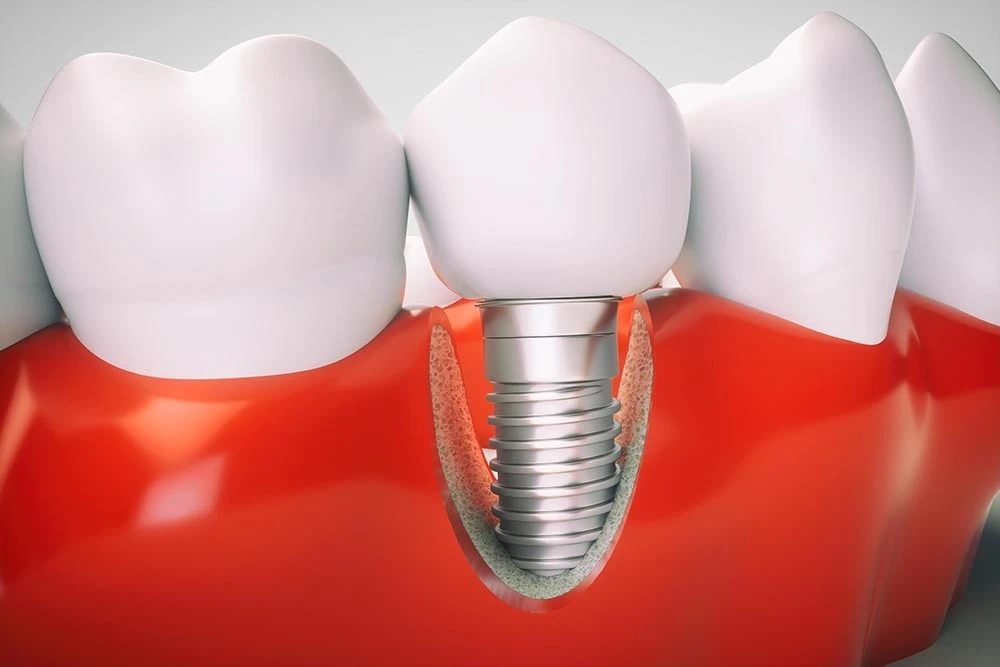
Some patients are reluctant to brush their teeth after surgery for fear of damaging the implant. However, neglecting oral hygiene directly leads to inflammation. Food debris and bacteria accumulate around the implant and cause peri-implantitis—an inflammatory process that destroys the bone surrounding the artificial root.
For the first few days after surgery, use a soft-bristled toothbrush, gently brush the adjacent teeth, and use antiseptic mouthwash. Once the gums have healed, you can return to your usual, but thorough, hygiene routine.
3. Eating solid food too soon
The desire to return to a normal diet as soon as possible is natural, but dangerous. Avoid hard, spicy, spicy, or sticky foods after implantation. This can lead to implant displacement, damage to the sutures, or gum damage.
For the first few days, soft foods are recommended: pureed soups, yogurt, porridge, omelets, and cooked vegetables. Gradually, you can introduce solid foods, but only after consulting your doctor.
4. Smoking and alcohol
Many patients are unable to quit smoking even after surgery. However, smoking reduces tissue blood flow, delays healing, and almost doubles the risk of implant rejection. Alcohol irritates the mucous membranes and disrupts cell regeneration. Even a glass of wine after the procedure can trigger inflammation. It is optimal to abstain from alcohol and smoking for at least 2–3 weeks after implantation, and preferably permanently.
5. Unintentional discontinuation of medication
After implantation, the doctor often prescribes antibiotics, anti-inflammatory drugs, and antiseptics. Some patients discontinue treatment prematurely as soon as the pain subsides. This is a serious mistake. Bacteria can remain in the tissue and cause later complications such as inflammation or pus. All medications must be taken strictly as directed, even if everything appears to have healed.
6. Missed follow-up appointments
Implant placement is not a one-time procedure, but a holistic process that requires specialist supervision. The first few months are particularly important: The doctor will monitor the implant's healing process, check for inflammation, and check for any bite disturbances. Missed follow-up appointments can cause a minor problem to go unnoticed and develop into a serious complication
7. Excessive physical activity
Many people return to sports, running, or heavy work within a day of surgery. However, physical activity increases blood pressure and can cause bleeding, swelling, and even implant displacement.
During the first 5–7 days, you should avoid exercising, bending, and lifting heavy objects. This is best used for rest and recovery. After 1–2 weeks, you can gradually return to your normal daily routine, but only after consulting your doctor.