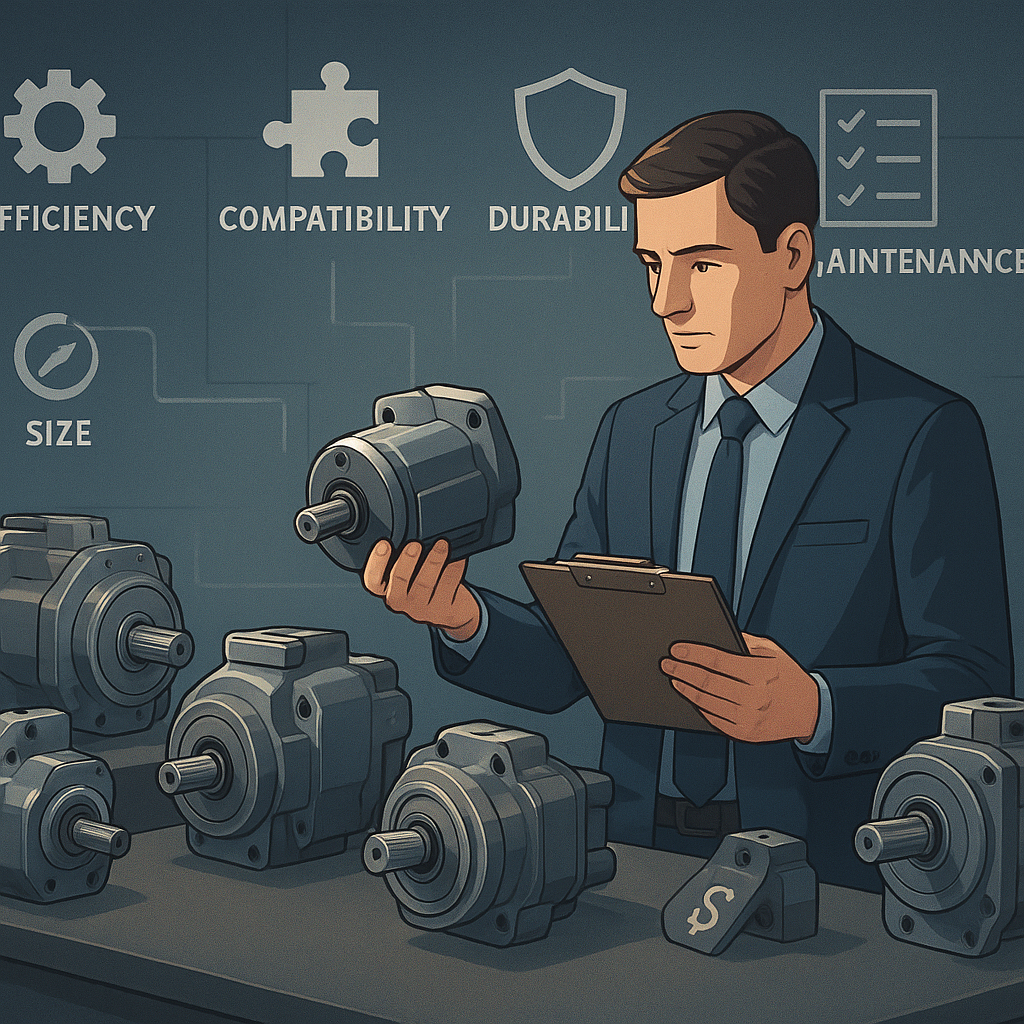
Selecting the right hydraulic pump determines the efficiency, reliability, and lifespan of your entire fluid power system. An improperly sized or mismatched pump leads to excessive heat generation, mechanical wear, unexpected downtime, and inflated energy costs. Evaluating your system parameters against specific pump designs, such as gear, vane, or piston configurations, ensures your machinery delivers maximum output under demanding operational conditions. Focusing on seven fundamental engineering criteria allows you to choose a unit that seamlessly integrates into your hydraulic system.
1. Operating Pressure Requirements
Determining the peak continuous and maximum intermittent operating pressure of your system is the primary step in pump selection. Rapid internal seal deterioration and mechanical stress on internal components result from operating a pump close to or above its maximum rated pressure. High-pressure applications like heavy construction equipment or industrial presses require robust piston pumps, while lower-pressure systems operate efficiently with economical gear pumps.
Catastrophic housing ruptures during abrupt pressure spikes can be avoided by selecting a unit with a sufficient pressure safety margin. Consistent fluid flow is ensured without taxing the drive motor by immediately matching the pump rating to your system pressure relief settings.
2. Flow Rate and System Displacement
Calculating the required flow rate ensures your actuators, cylinders, and hydraulic motors move at their intended operating speeds. Flow rate depends directly on pump displacement per revolution and the rotational speed of the driving motor. Fixed-displacement pumps deliver a constant fluid volume with every shaft revolution, making them simple and reliable for steady-state applications.
Variable-displacement pumps allow you to adjust the internal stroke mechanism to alter fluid volume dynamically based on system demand. Utilizing variable displacement reduces fluid throttling losses, lowers heat generation, and optimizes fuel or electrical efficiency when full actuator speed is unnecessary.
3. Fluid Type and Viscosity Compatibility
Matching your pump design to the specific chemical properties and viscosity range of your hydraulic fluid prevents cavitation and internal erosion. Standard petroleum-based mineral oils suit most conventional pumps, but specialized fire-resistant fluids, synthetic esters, or water-glycol mixtures react differently under shear stress and temperature shifts.
High-viscosity fluids create suction resistance at cold temperatures, forcing the pump to starve and cavitate. Conversely, low-viscosity fluids leak past internal clearances at elevated operating temperatures, reducing volumetric efficiency and stripping away protective lubricating films from metal surfaces.
4. Operating Speed and Drive Source
The pump cannot be operated outside of its certified rotational speed limits by evaluating the input drive shaft RPM. Exceeding the maximum recommended shaft speed causes centrifugal imbalance, excessive heat, and rapid wear on bearings and vanes. Running a pump below its minimum rated RPM disrupts fluid film lubrication between internal moving parts, causing metal-to-metal contact.
Gasoline engines, electric motors, and power take-off (PTO) drives deliver varying speed profiles and torque curves. Verifying that your drive source aligns with the minimum and maximum input limits of the pump preserves volumetric performance across all operating cycles.
5. System Efficiency and Heat Management
Balancing mechanical and volumetric efficiency keeps operating temperatures low and reduces total energy consumption. Volumetric efficiency measures how internal fluid slippage affects flow output, while mechanical efficiency reflects energy lost to mechanical friction between internal gears, pistons, or vanes.
Pumps operating at low efficiency convert wasted input energy directly into heat, accelerating fluid breakdown and damaging internal seals. Selecting high-efficiency piston or vane pumps reduces the need for oversized external oil coolers, keeping your equipment compact and lowering long-term utility costs.
6. Environmental Conditions and Noise Constraints
Factoring in ambient operating temperatures, airborne dust, and sound level restrictions protects both the hardware and machine operators. Operating in dusty or corrosive outdoor environments requires heavy-duty shaft seals and protective housing coatings to prevent contamination from entering the fluid reservoir.
Indoor manufacturing facilities often operate under strict occupational noise regulations. Standard gear pumps produce noticeable hydraulic whine due to gear meshing, whereas balanced vane pumps or internal gear pumps run significantly quieter. Selecting low-noise pumps eliminates the expense of installing external acoustic enclosures around your hydraulic power unit.
7. Maintenance Access and Total Cost of Ownership
Evaluating long-term replacement part availability, serviceability, and initial purchase price protects your maintenance budget over time. Low upfront purchase costs can be deceptive if the pump requires frequent seal replacements or lacks readily available spare parts during emergency repairs.
Choosing pumps with modular internal cartridges allows service technicians to rebuild worn units directly on the factory floor without removing the pump housing from the drive line. Prioritizing proven designs from established manufacturers guarantees reliable component sourcing, simplifying routine maintenance and minimizing long-term downtime.
Conclusion
Selecting the ideal hydraulic pumps uk requires balancing pressure capacity, flow rates, fluid characteristics, and long-term operating costs. Matching internal pump mechanics to your specific machinery demands prevents premature equipment failure and lowers overall energy consumption. Evaluating these seven essential factors ensures your hydraulic system operates smoothly, efficiently, and reliably for years to come. Investing time into thorough upfront engineering protects your capital equipment investment and keeps your operations running without unexpected interruptions.