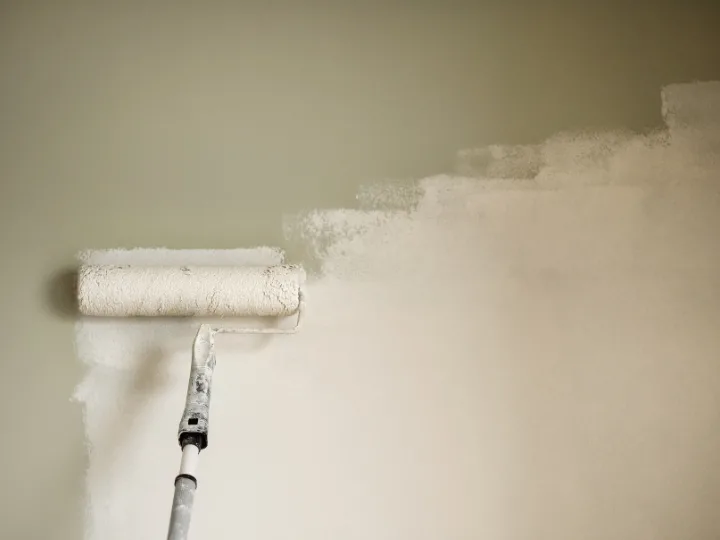
Planning a workplace repaint involves more than selecting a new colour. A successful project needs to consider the condition of the building, business operations, finish requirements and the people using the space. Before arranging commercial office painting, businesses should establish a clear plan that balances appearance, durability and minimal disruption.
1. Assess the Existing Surfaces
Check Walls and Ceilings
Start by inspecting walls, ceilings, doors, trims and other painted surfaces. Look for cracks, peeling paint, stains, holes, moisture marks or uneven areas. Proper preparation is essential because contaminants and damaged surfaces can affect paint adhesion and the finished appearance.
2. Select Suitable Colours
Consider Your Workplace Identity
Colour can influence how an office looks and feels while supporting existing branding and interior design. Neutral tones may create a clean professional appearance, while carefully selected feature colours can add visual interest to reception areas or meeting rooms. Consider natural light, artificial lighting and surrounding furniture before finalising the palette.
3. Choose the Right Finish
Match Paint to Usage
Different office areas experience different levels of contact and wear. Reception spaces, corridors, kitchens and meeting rooms may require different considerations. A suitable finish should provide the desired appearance while being practical for cleaning and ongoing maintenance.
4. Plan Around Business Hours
Reduce Workplace Disruption
An operating office cannot always afford lengthy interruptions. Discuss whether painting can take place after hours, during weekends or in stages. Dividing the workplace into manageable zones can help employees continue working while painting progresses through other areas. Scheduling, access and communication should be agreed before work begins.
5. Protect Office Equipment
Prepare the Workspace
Computers, desks, furniture, flooring and other equipment should be appropriately protected or relocated before painting starts. Sensitive areas may require additional dust and access controls, particularly when sanding or surface repairs are involved. Clear preparation helps protect workplace assets and keeps the project organised.
6. Consider Durability
Think Beyond Appearance
Office walls can experience frequent contact from employees, visitors, furniture movement and everyday activity. Selecting an appropriate coating system and preparing the substrate correctly can contribute to a more durable finish. Professional preparation may include cleaning, filling, sanding, sealing and priming where required.
7. Establish a Clear Project Scope
Confirm Work Before Starting
Before painting begins, clarify exactly which areas are included, the expected finish, preparation requirements, access arrangements and project schedule. A documented scope helps everyone understand what will be completed and when different areas will be available for use. It can also make communication between the business, building management and painting team easier.
FAQs About Office Painting
How often should an office be repainted?
There is no universal timeframe. The appropriate schedule depends on surface condition, workplace traffic, previous coatings, environmental factors and the desired presentation of the office.
Can an office remain operational during painting?
Yes, depending on the project. Painting can sometimes be completed in stages or scheduled outside normal operating hours to reduce disruption.
Why is surface preparation important?
Preparation helps create a suitable surface for paint application. Cleaning, repairing, sanding and priming can address existing surface problems and support better adhesion and finish quality.
What should businesses consider before choosing office paint?
Consider the existing surface, colour scheme, lighting, room usage, cleaning requirements, durability and the effect of painting on daily operations.