Starting a career in aviation is an exciting and rewarding decision. Becoming a pilot requires dedication, proper guidance, and the right training path. At Skywize Aviation, aspiring pilots are guided through every step to ensure they achieve their dreams with confidence and clarity. If you’re ready to take off, here are seven essential steps to successfully launch your pilot training journey.
1. Understand the Role of a Pilot
Before stepping into aviation, it’s important to understand what being a pilot truly involves. Pilots are responsible for operating aircraft safely, managing navigation systems, and ensuring passenger comfort. The profession demands discipline, quick decision-making skills, and a strong sense of responsibility. Researching the career helps you align your expectations with reality.
2. Meet the Basic Eligibility Criteria
To begin your journey, you must fulfill certain requirements such as completing your 10+2 education with Physics and Mathematics. Additionally, good eyesight, physical fitness, and medical clearance are mandatory. Clearing a Class 1 medical examination ensures that you are physically fit to handle the demands of flying.
3. Choose the Right Training Path
Selecting the right training program is one of the most crucial decisions. Enrolling in a commercial pilot course will provide you with the theoretical knowledge and practical flying experience required to become a licensed pilot. Make sure the course is well-structured and recognized by aviation authorities.
4. Select a Reputable Training Institute
The quality of training you receive depends heavily on where you study. A professional pilot training academy offers experienced instructors, modern aircraft, and advanced simulators to enhance your learning experience. At Skywize Aviation, students benefit from industry-oriented training that prepares them for real-world challenges.
5. Gain Theoretical Knowledge
Ground school training is a vital part of pilot education. You will learn subjects like air navigation, meteorology, aviation regulations, and aircraft systems. Building a strong theoretical foundation helps you understand flight operations better and ensures you perform confidently during practical sessions.
6. Complete Flight Training Hours
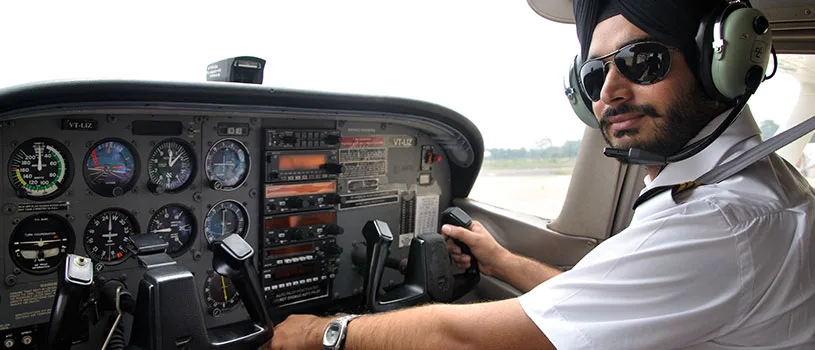
Practical training is where your dream begins to take shape. Under the guidance of certified instructors, you will complete the required flying hours, including solo flights and cross-country navigation. Choosing a reliable pilot training institute ensures you receive hands-on experience with proper safety measures and structured training modules.
7. Obtain Your Pilot License
After completing your training and required flight hours, the final step is obtaining your Commercial Pilot License (CPL). This involves clearing written exams, flight tests, and meeting all regulatory requirements. Once certified, you can begin your career as a professional pilot and explore opportunities in airlines or private aviation.
Final Thoughts
Launching your pilot training journey may seem challenging, but with the right guidance and dedication, it becomes an achievable goal. Each step—from meeting eligibility to earning your license—plays a crucial role in shaping your aviation career. At Skywize Aviation, students are equipped with the skills, knowledge, and confidence needed to succeed in the aviation industry.
If you’re passionate about flying and ready to turn your dreams into reality, now is the perfect time to begin your journey. The sky is not the limit—it’s just the beginning.