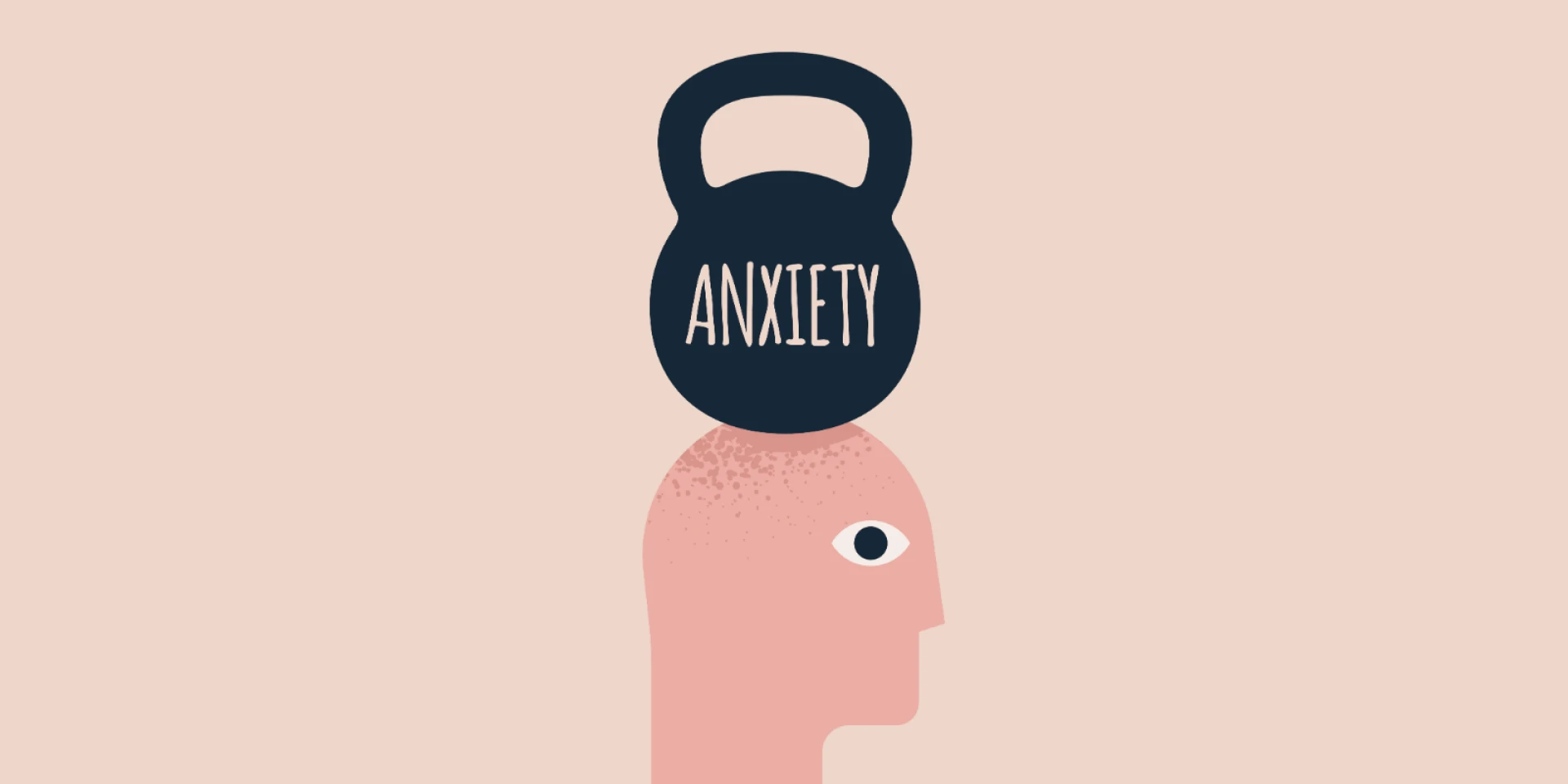
Anxiety is the body's natural response to stress, danger, or uncertainty. In moderation, it helps us be more alert, make decisions more quickly, and adapt to difficult situations. However, many myths about anxiety disorders prevent sufferers from recognizing the problem and seeking help. These misconceptions not only distort our understanding of mental health but can also be dangerous. In this article, we have gathered seven common myths about anxiety that are worth debunking.
1. Anxiety is simply a character flaw
One of the most damaging myths is that anxious people are supposedly weak, insecure, or uncontrollable. In reality, anxiety has nothing to do with willpower or character. It is a complex condition that affects the nervous system, hormones, and brain function. People with anxiety disorders often struggle to manage everyday tasks but appear confident on the outside. Minimizing their condition only intensifies feelings of guilt and isolation.
2. If you're afraid, there's a good reason for it
There is a common misconception that fear is always logical and inevitably linked to a real threat. However, in anxiety disorders, the brain can perceive everyday situations as dangerous, even when there is no objective threat.
For example, someone might experience a racing heart, anxiety, and panic before a simple phone call or a ride on public transportation. This isn't just in your head, but a malfunction of the threat assessment system. Ignoring this fact can lead to chronic anxiety.
3. You can't simply endure anxiety
Many people believe that anxiety will go away on its own over time. Sometimes anxiety subsides when the trigger disappears. However, with persistent or severe anxiety, waiting can only worsen the problem. Without support, anxiety can become chronic and cause sleep disturbances, digestive problems, headaches, high blood pressure, and even depression. Seeking professional help immediately is not a sign of weakness, but rather a sign of concern for your own health.
4. Medications and therapy change you
Many people are afraid of anxiety treatment because they believe that medication or psychotherapy will change their personality, suppress their feelings, or lead to addiction. This is a dangerous myth.
Modern treatment methods aim to restore balance, not suppress the personality. A well-chosen therapy helps you rediscover your true self—free from constant tension, anxiety, and inner turmoil. Treatment is always individualized and supervised by a physician.
5. Anxiety disorders only affect adults
There is a common misconception that anxiety disorders are a problem for adults. In fact, anxiety can occur at any age, including childhood and adolescence. In children, it often manifests not in words, but in behavior: mood swings, school refusal, stomach aches, and sleep disturbances. If these symptoms are ignored, they can persist into adulthood. Early detection and support are therefore particularly important.
6. Anxiety is always obvious
Not all anxious people appear agitated or constantly nervous. Many people are excellent at hiding their anxiety and continuing to work, maintain social contacts, and fulfill their obligations. But inside, a constant battle may rage: a racing heart, obsessive thoughts, fear of making mistakes, a feeling of impending doom. This "invisible" nature of anxiety makes it particularly dangerous, as it can take a long time to find help.
7. Once anxiety takes hold, it stays forever
Another frightening misconception is the belief that anxiety is incurable. In reality, most people can significantly improve their condition or regain full control over their lives with the right approach. A combination of psychotherapy, medication if necessary, lifestyle changes, and support from loved ones leads to lasting results. It is important not to accept constant discomfort or consider it normal.
The bottom line
Anxiety is not a fantasy, a weakness, or a death sentence. Dangerous myths about it prevent people from seeking help and delay recovery. The better we understand the true nature of anxiety disorders, the easier it becomes to treat ourselves and others with understanding and compassion. If anxiety is affecting your life, your work, your recreation, and your enjoyment of life, this is a valid reason to seek professional help.