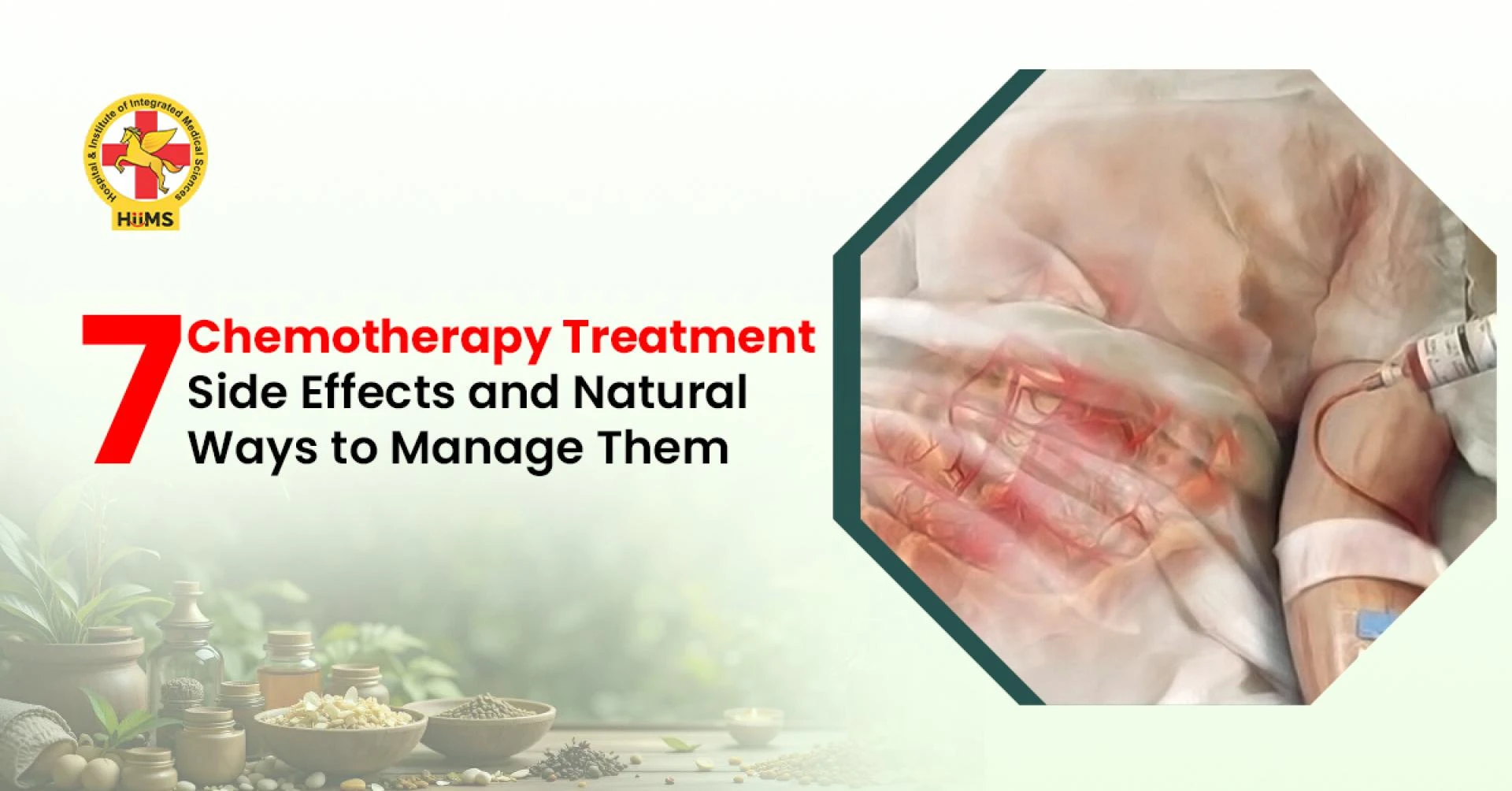
Chemotherapy is one of the widely used approaches in cancer care where specific medicines are used to destroy cancer cells and slow their growth. Depending on the type and stage of cancer, doctors may recommend chemotherapy alone or combine it with other treatment methods.
Since chemotherapy drugs are powerful, they can sometimes affect healthy cells along with cancer cells. Because of this, patients may experience certain chemotherapy treatment side effects during or after the treatment period.
The impact of these side effects is not the same for everyone. Some patients experience mild discomfort, while others may notice symptoms that temporarily affect their daily routine. The severity usually depends on factors such as the type of medication, the number of treatment cycles, and the patient’s overall health condition.
Understanding these changes beforehand can help patients stay mentally prepared. With proper medical guidance, supportive care, and healthy lifestyle habits, many people are able to manage chemotherapy side effects more comfortably during their treatment journey.
Common Chemotherapy Side Effects
The body may react differently to chemotherapy medications. Some symptoms appear shortly after treatment begins, while others develop gradually over multiple cycles.
1. Nausea and Vomiting
One of the most commonly reported side effects of chemotherapy is nausea. Patients may experience an uncomfortable feeling in the stomach following treatment sessions. In some cases, vomiting may also occur.
This happens because chemotherapy medicines can irritate the digestive tract and influence areas of the brain that regulate nausea.
2. Reduced Appetite
Many individuals undergoing chemotherapy notice a decline in their appetite. Food may start tasting different, and finishing regular meals may become difficult.
When appetite decreases for a long period, the body may not receive enough nutrition, which can lead to weakness or fatigue if diet is not properly managed.
3. Fatigue and Weakness
Persistent tiredness is another common experience during chemotherapy. Patients may feel exhausted even after resting. Everyday tasks such as walking, cooking, or working may feel more demanding than usual.
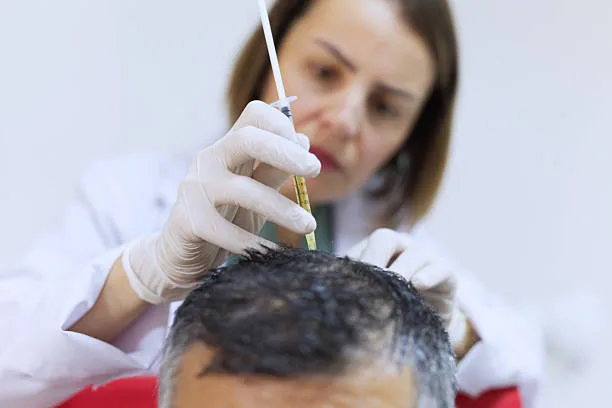
4. Hair Loss
Hair thinning or hair fall is often associated with chemotherapy treatment. Certain medications affect the hair follicles, leading to gradual hair loss during treatment cycles.
For many patients, this change can also be emotionally challenging as it becomes noticeable after a few sessions.
5. Mouth Sores and Taste Changes
Chemotherapy may affect the lining of the mouth. Some patients develop dryness, irritation, or small sores in the oral cavity.
Taste changes are also common. Foods that once tasted normal may start to feel metallic, bitter, or unusual.
6. Digestive Issues
The digestive system may also react to chemotherapy drugs. Some individuals may experience constipation, while others may face diarrhea or stomach discomfort during treatment.
These symptoms may vary across different treatment cycles.
7. Emotional Stress and Anxiety
Cancer treatment can affect both physical and emotional wellbeing. Frequent hospital visits, ongoing therapy sessions, and uncertainty about recovery can create stress and anxiety for patients as well as their families.
Managing emotional health becomes equally important during this phase.
Natural Ways to Manage Chemotherapy Side Effects
While medical treatment remains the primary part of cancer care, certain lifestyle habits may help patients feel more comfortable during therapy.
Maintain a Balanced and Light Diet
Nutrition plays a crucial role during chemotherapy. Many healthcare experts recommend simple and easy-to-digest foods that provide essential nourishment.
Warm home-cooked meals such as vegetable soups, khichdi, boiled vegetables, soft fruits, and curd are generally gentle on the stomach. Smaller and more frequent meals are often easier to manage than large portions.
Stay Hydrated
Proper hydration helps the body function effectively during treatment. Drinking adequate fluids can support digestion and reduce weakness.
Warm water, fresh coconut water, soups, and light herbal drinks are commonly recommended throughout the day.
Follow a Gentle Daily Routine
While rest is necessary, staying completely inactive may increase fatigue. Light physical movement can help maintain energy levels.
Short walks, gentle stretching, and breathing exercises are often suggested as safe activities for chemotherapy patients.
Support Emotional Well-Being
Mental health plays a major role during cancer treatment. Many patients experience emotional stress due to repeated therapies and lifestyle adjustments.
Practices such as meditation, relaxation techniques, or simple breathing exercises may help calm the mind. Speaking with family members, friends, or healthcare professionals can also provide emotional support.
Explore Supportive Ayurvedic Care
Some patients consider complementary Ayurvedic therapies alongside conventional cancer care. Ayurveda focuses on maintaining balance in the body and promoting overall well-being.
Relaxation therapies such as Abhyanga (therapeutic oil massage) and lifestyle practices may help improve comfort. Under expert supervision, herbs like Ashwagandha, Guduchi, and Amalaki are sometimes used to support immunity and general strength.
However, such therapies should always be taken under the guidance of qualified practitioners.
Conclusion
Chemotherapy continues to be an important treatment option in cancer care and has helped many patients control the progression of the disease. At the same time, it is common for patients to experience certain chemotherapy side effects during the treatment process.
Symptoms such as nausea, fatigue, appetite changes, digestive issues, hair loss, or emotional stress may occur. Fortunately, most of these side effects can be managed with proper medical support and healthy lifestyle practices.
Following a balanced diet, staying hydrated, and maintaining a gentle daily routine can support the body during recovery. Some patients also explore natural therapies that focus on improving overall wellbeing during treatment.
At Jeena Sikho HiiMS, supportive Ayurvedic care is available for patients undergoing cancer treatment. The aim is to strengthen the body, maintain internal balance, and help individuals manage treatment-related discomfort in a natural way.
If you or a loved one is undergoing cancer therapy and looking for supportive care options, consulting experienced specialists can help you understand the most suitable approach for better recovery.
FAQs
1. What are common chemotherapy side effects?
Common chemotherapy side effects include nausea, fatigue, appetite loss, hair fall, digestive disturbances, and emotional stress.
2. How can chemotherapy side effects be managed?
Maintaining a nutritious diet, drinking enough fluids, getting adequate rest, and engaging in light physical activity may help patients manage symptoms.
3. What foods are recommended for chemotherapy patients?
Soft and easily digestible foods such as soups, fruits, boiled vegetables, and khichdi are generally considered suitable.
4. Do chemotherapy side effects last permanently?
Most chemotherapy side effects improve gradually once the treatment cycles are completed.
5. Can Ayurveda help during chemotherapy?
Certain Ayurvedic therapies may support digestion, immunity, and overall wellbeing when used under expert supervision.