Every vehicle gives subtle clues when something isn't working as it should. Ignoring these warning signs can turn a minor issue into a costly repair, compromise your safety, or even leave you stranded on the road. Knowing what to watch for allows you to address problems early and keep your vehicle running reliably.
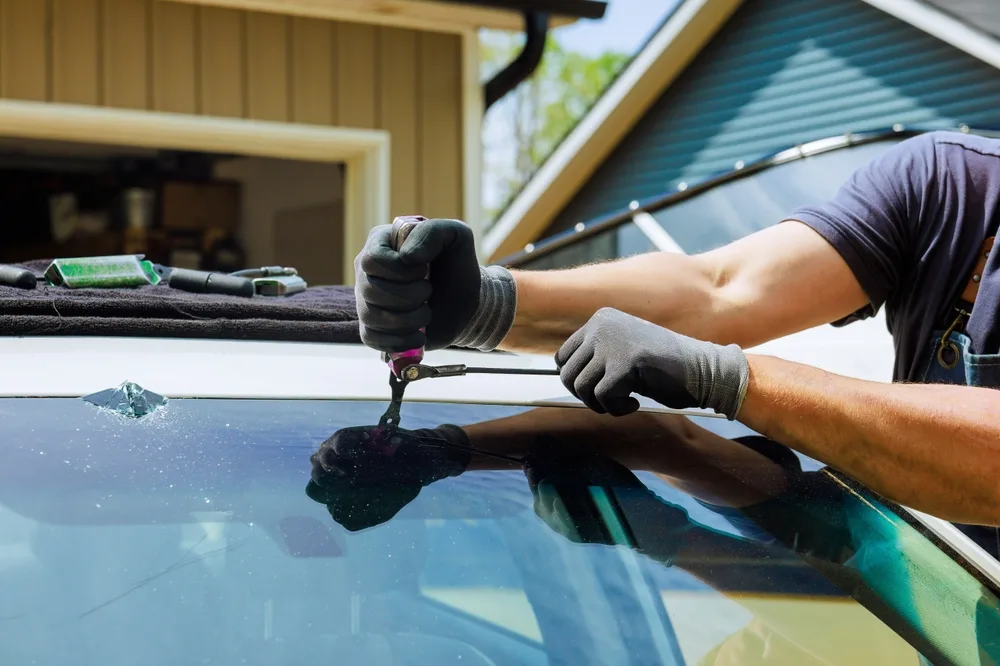
If you're searching for Bronx Auto Glass Repair, it's also important to remember that your windshield is only one part of your vehicle's overall safety system. Paying attention to warning indicators throughout your car can help prevent expensive repairs and reduce the risk of unexpected breakdowns.
1. Dashboard Warning Lights
Modern vehicles are equipped with sensors that monitor essential systems. When a warning light appears, it's your car's way of telling you that something needs attention.
Common warning lights include:
- Check Engine
- Oil Pressure
- Battery
- ABS
- Tire Pressure Monitoring System (TPMS)
Even if your vehicle seems to drive normally, it's best to have warning lights diagnosed as soon as possible.
2. Strange Engine Sounds
Unusual noises are rarely normal. Knocking, squealing, grinding, or rattling sounds may indicate worn components, loose belts, failing bearings, or engine problems.
Prompt inspection can help prevent further damage and reduce repair costs before the issue becomes more serious.
3. Poor Brake Performance
Your brakes are one of the most important safety features on your vehicle. If you notice a soft brake pedal, longer stopping distances, vibrations, or squealing noises, schedule an inspection immediately.
Brake issues should never be ignored, as they can significantly affect your ability to stop safely.
4. Engine Overheating
A rising temperature gauge or steam coming from under the hood often indicates an overheating engine. Driving while your engine is overheating can result in severe damage to components such as the head gasket, radiator, or engine block.
If your temperature warning light appears, stop driving when it's safe to do so and have the vehicle inspected.
5. Fluid Leaks
Your vehicle relies on several essential fluids to operate properly. Spots beneath your parked vehicle could indicate leaking:
- Engine oil
- Coolant
- Transmission fluid
- Brake fluid
- Power steering fluid
The windshield damage warning signs that drivers often notice may occur alongside other maintenance concerns, making regular inspections an important part of overall vehicle care.
6. Rough Driving Experience
If your vehicle begins vibrating, pulling to one side, or the steering wheel feels loose, there may be problems with the suspension, tires, wheel alignment, or steering components.
Common symptoms include:
- Excessive vibration
- Uneven steering response
- Vehicle pulling left or right
- Unstable handling
- Shaking at higher speeds
Addressing these issues early helps improve safety, comfort, and vehicle performance.
Tips for Preventive Vehicle Maintenance
Routine maintenance helps identify small problems before they become expensive repairs.
Good habits include:
- Following your manufacturer's maintenance schedule.
- Checking fluid levels regularly.
- Monitoring tire pressure and tread wear.
- Replacing worn brake components promptly.
- Inspecting your windshield and windows for chips or cracks.
- Responding quickly to warning lights and unusual sounds.
Frequently Asked Questions
How do I know if my vehicle needs professional repair?
Dashboard warning lights, unusual noises, brake problems, overheating, fluid leaks, and poor handling are all signs that your vehicle should be inspected by a qualified technician.
Is it safe to drive with dashboard warning lights on?
Some warning lights indicate minor issues, while others signal serious mechanical problems. It's safest to have the vehicle diagnosed as soon as possible.
Why is engine overheating dangerous?
Overheating can cause severe engine damage, leading to expensive repairs if ignored.
Can fluid leaks damage my vehicle?
Yes. Low fluid levels can affect engine performance, braking, steering, transmission operation, and overall vehicle reliability.
Conclusion
Recognizing early warning signs can help you avoid unexpected breakdowns, improve vehicle safety, and reduce long-term repair costs. From dashboard alerts to unusual noises and handling problems, addressing issues promptly is the best way to keep your vehicle dependable and ready for every journey.