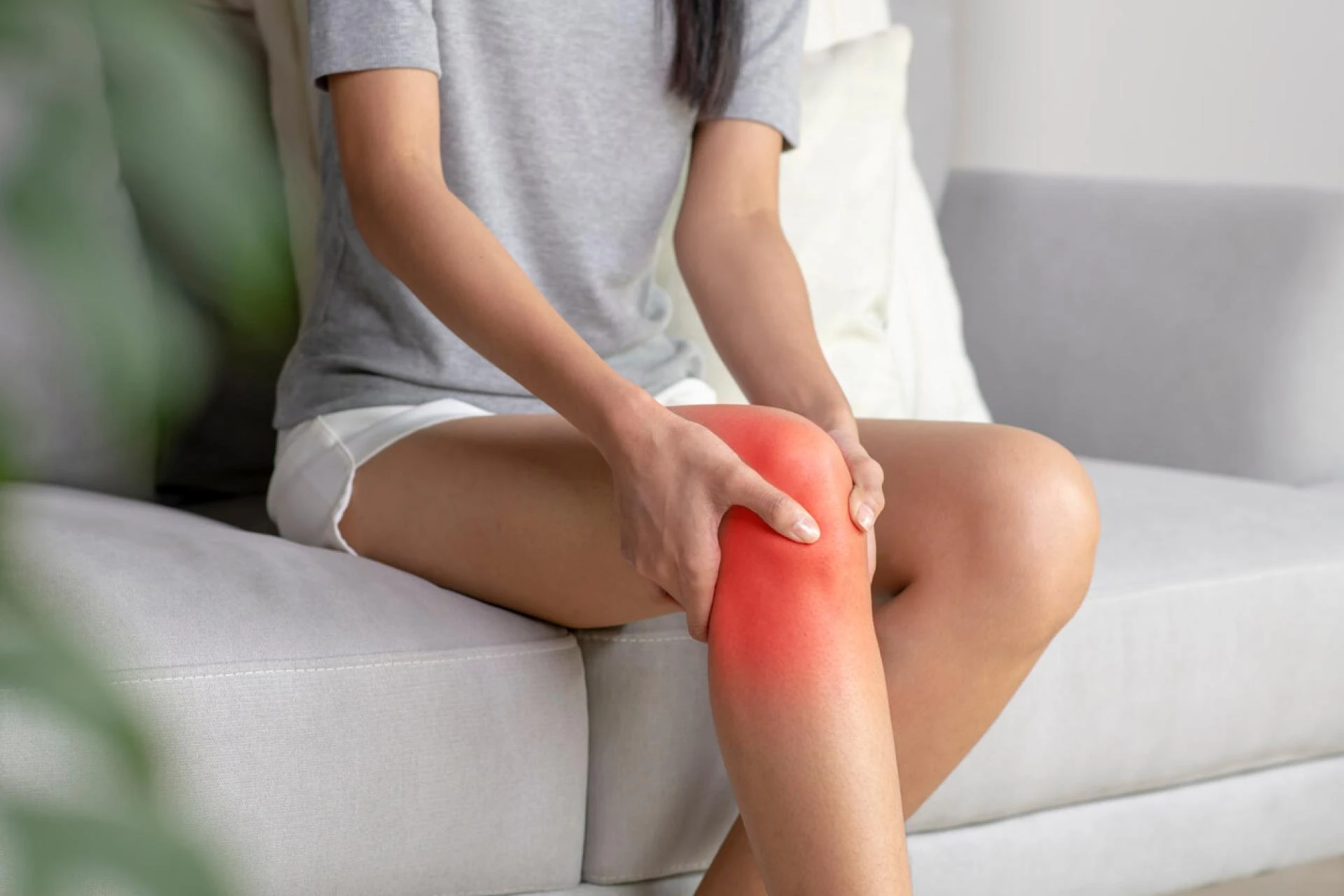
Knee pain can make daily life frustrating. Whether it’s caused by an old injury, arthritis, or simple wear and tear, the discomfort can limit your mobility and affect your quality of life. While getting rid of knee pain completely might take time, there are several practical steps you can take to reduce the pain and prevent it from getting worse. Below are six easy and effective ways to help you manage knee pain and protect your joints.
1. Maintain a Healthy Weight
Excess weight is one of the biggest contributors to knee pain. Every extra pound puts additional pressure on your knee joints, especially when walking or climbing stairs. Keeping your weight within a healthy range can significantly reduce stress on your knees and improve your posture.
If you need to lose weight, focus on making gradual, sustainable changes. A balanced diet rich in whole grains, lean proteins, fruits, and vegetables can help you reach a healthy BMI. Even a small amount of weight loss can make a noticeable difference in knee pain and joint function.
2. Choose the Right Shoes
Footwear plays a huge role in how your knees feel. Wearing the wrong shoes—especially those with poor arch support or hard soles—can worsen knee pain by affecting your posture and walking pattern. To protect your knees, choose shoes that provide good cushioning, flexibility, and arch support.
Avoid high heels, worn-out sneakers, or shoes with thin, hard soles. Instead, look for orthopedic or athletic shoes that promote even weight distribution and reduce the impact on your joints. If you’re unsure what’s best for you, a podiatrist or orthopedic specialist can help you find the right fit.
3. Explore Non-Surgical Treatment Options
Don’t hesitate to try new, non-surgical treatment methods. People suffering from knee pain usually try acupuncture and Reiki to ease the pain. You can also consult a pain management specialist regarding injection therapy. If you’re suffering from osteoarthritis, a knee injection can help reduce pain and improve your mobility.
While this kind of treatment is not appropriate for everyone, it’s ideal in most cases. This non-invasive procedure can help alleviate your symptoms more quickly by injecting medication directly into the affected knee area.
4. Stay Active and Exercise Regularly
It may seem counterintuitive to move when your knees hurt, but regular exercise is one of the best things you can do for joint health. Strengthening the muscles around your knees helps support the joint and reduces strain. Low-impact exercises such as swimming, cycling, walking, and water aerobics are ideal choices.
Stretching and flexibility exercises also improve your range of motion and reduce stiffness. If you find certain activities painful, modify your routine rather than stopping completely. A physical therapist can create an exercise plan tailored to your specific condition and comfort level.
5. Avoid Prolonged Resting
While it’s important to rest sore joints, too much rest can actually make knee pain worse. Prolonged inactivity can weaken the muscles that support your knees, making them less stable. If you have conditions like rheumatoid arthritis or bursitis, staying immobile for long periods may increase stiffness and pain.
Try to strike a balance between rest and gentle movement. Light stretching, short walks, or simple at-home exercises can help keep your joints flexible and prevent stiffness. If you’re unsure how much activity is safe for you, consult a doctor or physical therapist for personalized guidance.
6. Eat a Nutrient-Rich, Anti-Inflammatory Diet
Your diet has a direct impact on joint health. Certain foods can help reduce inflammation and strengthen the tissues around your knees. Include more anti-inflammatory foods like fatty fish (salmon, tuna, sardines), leafy greens, berries, nuts, olive oil, and turmeric in your meals.
Vitamins and minerals also play an important role in maintaining strong joints. Look for foods rich in Vitamin D, Vitamin C, Vitamin K, glucosamine, and omega-3 fatty acids. These nutrients support cartilage repair, bone strength, and overall joint health. If you’re unsure about your diet, a nutritionist can help you create a meal plan that supports knee health.