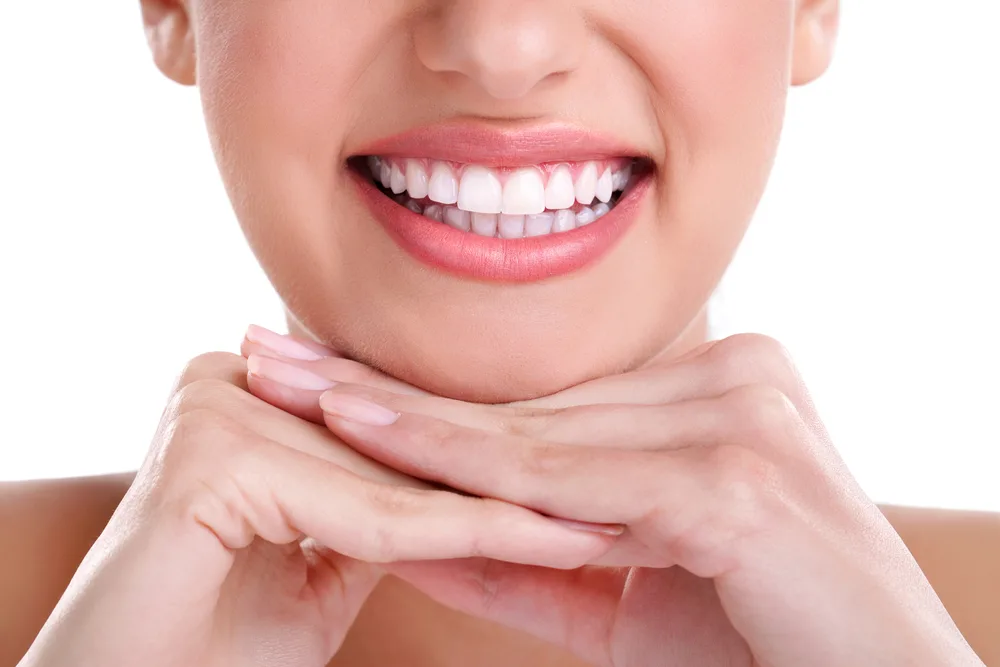
Modern cosmetic dentistry offers many ways to improve the appearance of your teeth, enhance your smile, and boost your self-confidence. Nevertheless, many myths surrounding cosmetic dentistry persist, discouraging people from consulting a specialist or even from undergoing treatment altogether. In this article, we'll debunk six common myths about cosmetic dentistry and examine how much truth there is to them.
1. Cosmetic dentistry is only about beauty
Many people believe that cosmetic dentistry is solely about improving the appearance of teeth. In fact, many treatments not only make your smile more attractive but also contribute to better oral hygiene.
Veneers, for example, can conceal chips and cracks in your teeth, which could otherwise lead to further damage to the enamel. Correcting tooth alignment with braces or aligners not only ensures a straight smile but also facilitates oral hygiene and reduces the risk of cavities and gum disease. You can search for "cosmetic dentist near me" to find an experienced and qualified specialist in your area.
2. Teeth whitening damages tooth enamel
This is one of the most common myths. Many believe that professional teeth whitening makes teeth brittle and damages the enamel. In fact, modern whitening methods performed under dental supervision are considered safe. The products used affect the pigments in the tooth, rather than destroying its structure.
Temporary tooth sensitivity may occur after treatment, but this usually disappears within a few days. Problems mostly arise from the uncontrolled use of questionable whitening products or from home treatments not recommended by a dentist.
3. Veneers look unnatural
Some imagine veneers as excessively white and unnatural, which others immediately notice. This prejudice is based on outdated technologies and botched treatments. Modern veneers are individually customized for each patient. The dentist takes into account facial shape, skin tone, smile, and natural tooth color. This makes high-quality veneers look as natural as possible and virtually indistinguishable from your own teeth. With the right materials and professional installation, your beautiful smile will likely attract more attention than the dental treatment itself.
4. Cosmetic procedures are very painful
Fear of pain remains one of the main reasons why people avoid visiting the dentist. Many believe that any cosmetic procedure is associated with significant discomfort. However, modern technologies have significantly improved treatment comfort. Effective anesthesia is used for most procedures, so patients feel virtually nothing during treatment.
Teeth whitening, veneers, professional teeth cleaning, and many other treatments are generally very well tolerated. Even mild discomfort is usually temporary and disappears quickly after treatment.
5. Cosmetic dentistry is too expensive
There is a common misconception that only very wealthy people can afford a beautiful smile. While some treatments do require a significant investment, there is now a wide range of solutions available for different budgets. Many dental clinics also offer payment plans or installment options. In some cases, early treatment of cosmetic imperfections can prevent more serious and costly problems in the future.
It's important to know that treatment costs depend on the complexity of the case, the chosen technique, and the materials used. Therefore, it's advisable not to make a price estimate without consulting a specialist.
6. The results of cosmetic dental treatments are only short-lived
Another common misconception is that the effects of cosmetic procedures only last a few months, after which everything needs to be repeated. In fact, most cosmetic restorations last for years. High-quality veneers, for example, can maintain their appearance for over ten years with proper care.
Professional teeth whitening also achieves long-lasting results, especially if the patient follows the dentist's recommendations and limits their consumption of foods that stain teeth. Regular checkups, good oral hygiene, and gentle dental care can significantly extend the lifespan of treatment results.