
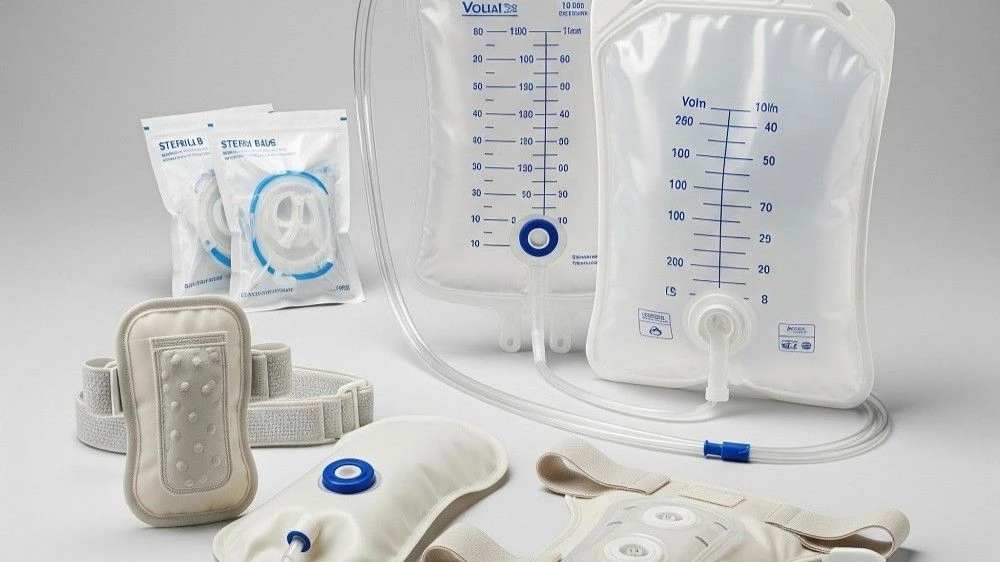
The global urinary bag market is becoming increasingly important within modern healthcare frameworks due to rising surgical volumes, chronic care management, and the expansion of home-based treatment models.
According to BIS Research, the global urinary bag market was valued at $649.0 million in 2023 and is anticipated to grow to $976.8 million by 2033, at a projected CAGR of 4.17% during the forecast period 2024-2033. This growth reflects increasing reliance on simplified urine handling systems that support both hospital and home-care workflows. As aging populations rise worldwide and urinary complications become more prevalent, the market continues to unlock new product adoption opportunities.
1) Higher use of advanced urinary drainage systems
Hospitals are increasing their use of urinary drainage systems to enhance hygiene and safety outcomes, especially in intensive care units and surgical recovery rooms. These systems minimize contamination risks and simplify collection procedures, improving clinical efficiency.
2) Growing need for catheter urine collection solutions
Catheter urine collection remains essential for patients with long-term mobility limitations, urological complications, and catheter-based therapy. Higher cases of incontinence, prostate cancer, spinal trauma, and bladder dysfunction are expanding the demand baseline for reliable urinary bags that support stable collection without leakage.
3) Urology consumables gaining traction
The usage of urology consumables is increasing across medical centers as physicians prefer streamlined disposable solutions to reduce infection risk. Innovations in drainage valves, anti-reflux systems, anti-odor linings, and antimicrobial surfaces are improving product quality and driving premium product uptake.
Request A Detailed Sample for Urinary Bag Market - Analysis and Forecast, 2024-2033
4) Post-operative urine management shaping buying behavior
Post-operative urine management continues to be a major use case in surgical procedures, especially cardiovascular, urological, gynecological, and orthopedic surgeries. Urinary bags help medical teams monitor urine output accurately and detect complications like dehydration, kidney stress, and anesthesia-related retention.
5) Rising focus on Foley catheter accessories
Foley catheter accessories are a key adjacent category supporting higher patient comfort, pressure control, flow regulation, and hygiene. As hospitals prioritize efficiency and ease of handling, products designed around faster drainage, smoother valve operations, and secure fittings are gaining attention.
6) Expansion of home healthcare solutions
Healthcare systems are encouraging home-based treatment under cost-saving models. As a result, urinary bag usage is increasing in domestic settings, supported by home nursing, tele-monitoring, and remote care platforms. This shift is particularly relevant for aging users and patients recovering from surgery at home.
Click Here to Download the ToC
Conclusion
With rising cases of chronic urinary disorders, greater adoption of catheter-based treatments, improved infection control protocols, and a strong shift toward home-care, the urinary bag market is positioned for steady expansion. The transition to easier-to-handle urine management products, combined with next-generation drainage technologies, will continue to strengthen global adoption and establish urinary bags as an essential medical consumable over the next decade.