
Losing hair along the hairline can feel deeply personal, especially for women. It affects how you look in the mirror every single morning and can chip away at your confidence over time. The good news is that modern hair restoration has come a long way, and more women are now choosing surgical options to get their hairline back.
If you have recently had or are planning a Female Hairline Transplant, the recovery phase is just as important as the procedure itself. How well you take care of your scalp in the days and weeks that follow will directly impact your results. Getting this part right means healthier grafts, faster healing, and a more natural-looking outcome.
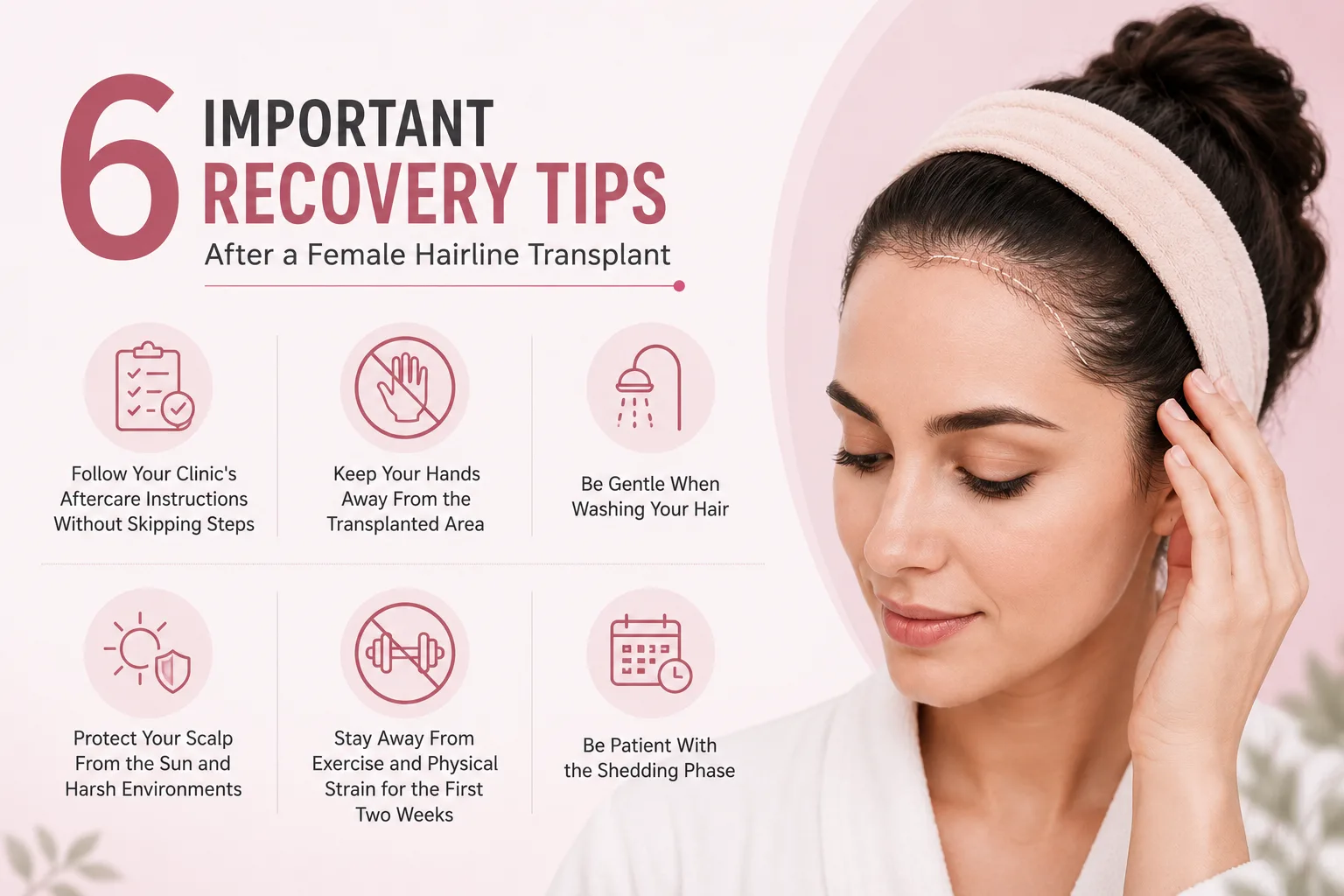
Here are six practical and important tips to help you recover well and protect your investment.
1. Follow Your Clinic's Aftercare Instructions Without Skipping Steps
Every clinic will give you a specific set of aftercare guidelines tailored to your procedure. These are not just general suggestions. They are based on your treatment, your scalp condition, and the technique used during the transplant.
The team at The Skin and Hair Clinic puts a lot of care into creating post-op guidance that helps each patient heal properly. Read through your instructions carefully and keep them somewhere easy to find. If something is not clear or you feel unsure about anything, always reach out to your clinic before trying to figure it out yourself.
Skipping steps, even small ones, can affect how well the grafts settle into place.
2. Keep Your Hands Away From the Transplanted Area
This might sound simple, but it is one of the most common mistakes people make during recovery. Touching, scratching, or rubbing the newly transplanted area can dislodge grafts before they have had a chance to anchor properly.
During the first few days especially, the grafts are still in a fragile state. Even light contact can cause them to shift or fall out. Try to be mindful of this when washing your face, putting on glasses, or simply resting your head on a pillow. Sleeping on your back with your head slightly elevated can also reduce pressure on the hairline.
It takes discipline, but keeping your hands away from the treated area during those first two weeks makes a significant difference.
3. Be Gentle When Washing Your Hair
Most clinics will advise waiting at least 48 to 72 hours before washing your hair after the procedure. When you do start washing, the technique matters enormously.
Use lukewarm water and the recommended shampoo, which is usually a mild, sulphate-free formula. Do not rub or scrub. Instead, gently pour water over the scalp and use soft patting motions with your fingertips. Avoid letting the shower water hit the transplanted area with full pressure.
You should also avoid hair dryers, especially on a hot setting, for several weeks after your transplant. Air drying is the safest option during recovery.
4. Protect Your Scalp From the Sun and Harsh Environments
Sun exposure is something many patients overlook, but it can seriously interfere with healing after a female hairline transplant. UV rays can damage the sensitive skin and newly placed grafts, cause irritation, and lead to hyperpigmentation in the treated area.
For at least the first month, try to avoid prolonged time outdoors during peak sun hours. If you do need to go out, wear a loose-fitting hat that does not press tightly against the hairline. Scarves and sun hats work well for this.
Dusty or polluted environments can also irritate the scalp during healing, so try to stay indoors or in clean air conditions as much as possible in the early stages of recovery.
5. Stay Away From Exercise and Physical Strain for the First Two Weeks
It might be tempting to get back to your usual routine quickly, but physical activity needs to be paused for a while after your procedure. Exercise increases blood flow and raises your heart rate, which can cause swelling, increased sensitivity, and even bleeding around the transplanted area.
Heavy lifting, running, gym sessions, yoga inversions, and any activity that causes you to sweat heavily should be avoided for at least 14 days. Sweating around the scalp is not just uncomfortable during this period. It can also create the kind of moist environment that increases the risk of infection.
Light walking is generally fine after a few days, but anything more strenuous should wait. When in doubt, check in with your clinic before returning to any physical activity.
6. Be Patient With the Shedding Phase
This is the tip that surprises most people, and it is important to know about it before it happens so you are not alarmed.
Around two to four weeks after your transplant, you may notice that the transplanted hairs begin to fall out. This is called shock loss or the shedding phase, and it is completely normal. It does not mean the procedure has failed or that something has gone wrong.
What is actually happening is that the hair follicles are going through a natural rest phase before they start producing new hair. The follicles themselves are still intact beneath the scalp. New growth usually begins around three to four months after the procedure, with more visible results appearing closer to the six to twelve month mark.
Understanding this cycle in advance takes a lot of the worry out of the process. The team at The Skin and Hair Clinic will always guide patients through what to expect at each stage so nothing feels unexpected or alarming.
Ready to Take the Next Step?
If you are considering hair restoration or want to learn more about your options, speaking to a qualified professional is always the best place to start. The Skin and Hair Clinic offers expert consultations to help you understand whether a hairline transplant is right for you, what results are realistic, and what the recovery journey looks like.
Visit The Skin and Hair Clinic to book your consultation today and take the first step toward feeling confident in your appearance again.
Frequently Asked Questions
How long does it take to fully recover from a female hairline transplant?
Most people feel comfortable returning to daily activities within a week to ten days. However, full healing of the scalp can take several months, and final results are usually visible between six and twelve months after the procedure.
Is the shedding phase after a transplant normal?
Yes, completely. Most patients experience some degree of shedding around two to four weeks after the procedure. This is part of the natural hair growth cycle and does not indicate a problem.
Can I colour or style my hair after a transplant?
It is generally advised to wait at least four to six weeks before using any chemical treatments or dyes. Always check with your clinic before doing anything to the transplanted area.
When can I go back to the gym after my transplant?
Most clinics recommend waiting at least two weeks before returning to moderate exercise and up to four weeks before intense workouts. Sweating heavily around the scalp too soon can disrupt the healing process.
What should I do if I notice redness or discomfort after the procedure?
Some mild redness and sensitivity is normal in the first few days. If you notice unusual swelling, pain, or signs of infection, contact your clinic immediately rather than waiting to see if it settles on its own.