
Phosphorus is a mineral your body needs for many important jobs. It helps your brain, heart, kidneys, and liver work properly. Most people know it’s important for strong bones, but it does a lot more than that. Phosphorus also helps your body absorb nutrients from food, regulates hormones, and provides energy to your cells.
In fact, phosphorus is the second most abundant mineral in your body. It makes up about 1% of an adult’s body weight. It also helps your muscles work properly because it acts like an electrolyte, keeping water levels and heart rhythm balanced. Plus, it helps your body make adenosine triphosphate (ATP), which is the main source of energy for your cells.
1. Phosphorus Supports Detoxification
Your kidneys remove waste and extra fluids from your body. Phosphorus helps them do this job. Along with electrolytes like potassium and magnesium, phosphorus helps your body get rid of excess sodium, uric acid, water, and fat. This keeps your waste-removal system running smoothly and supports your overall health.
2. It’s Important for Growth and Development
Phosphorus is essential for children and pregnant women. For kids, it helps bones grow properly and supports overall development. For pregnant women, it’s needed to make DNA and RNA, which are important for the baby’s growth. Eating phosphorus-rich foods helps your body maintain healthy tissue and supports cell development in both kids and unborn babies.
3. Phosphorus Helps Your Metabolism
Phosphorus makes sure your body can absorb and use the nutrients you eat. It’s also important for energy production, building proteins, and keeping your cells healthy. Without enough phosphorus, your body can struggle to use other essential nutrients efficiently.
4. It Supports Dental Health
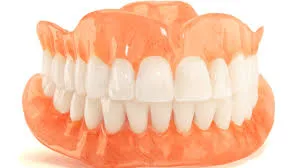
Your teeth and gums cannot be healthy and strong if you don't get enough phosphorus. Vitamin D, calcium, and phosphorus are three primary nutrients that play a vital role in the formation and maintenance of mouth health as they support tooth enamel and jaw-bone mineral density. If you often develop dental cavities but don't eat foods that harm your teeth and maintain proper oral hygiene, this might be due to a lack of these nutrients. Consider talking to your family dentist about whether it might be due to a vitamin D, calcium, or phosphorus deficiency.
5. It Keeps Bones Strong
Calcium and phosphorus work together to build and maintain strong bones. Over half of your bones are made from phosphate, a form of phosphorus. Having enough phosphorus improves bone density and reduces the risk of fractures and osteoporosis. Without it, your body can’t use calcium properly, so keeping a balance between the two minerals is important.
6. It Supports Brain Health
Phosphorus is also important for your brain. It helps your cells function correctly and supports your emotional, neurological, and hormonal health. Studies show that low phosphorus levels may affect memory and increase the risk of age-related brain problems like Alzheimer’s. Getting enough phosphorus can help your brain stay sharp as you get older.
Phosphorus Deficiency
Phosphorus deficiency is rare because it’s in many foods and added to processed foods, but it can still happen. Symptoms include weak bones, frequent fractures, joint and muscle pain, tooth problems, trouble exercising, numbness, tingling, anxiety, stunted growth in children, weight changes, and difficulty concentrating. If you notice these signs, talk to a doctor about your diet and whether you need supplements.
The bottom line
Phosphorus is a mineral that affects almost every part of your body. It helps your kidneys, bones, teeth, brain, and metabolism work properly. Most people get enough from a balanced diet, but it’s worth being aware of how important it is. Foods rich in phosphorus include dairy, nuts, seeds, fish, and whole grains. Eating these foods regularly can help you stay healthy and support your overall wellbeing.