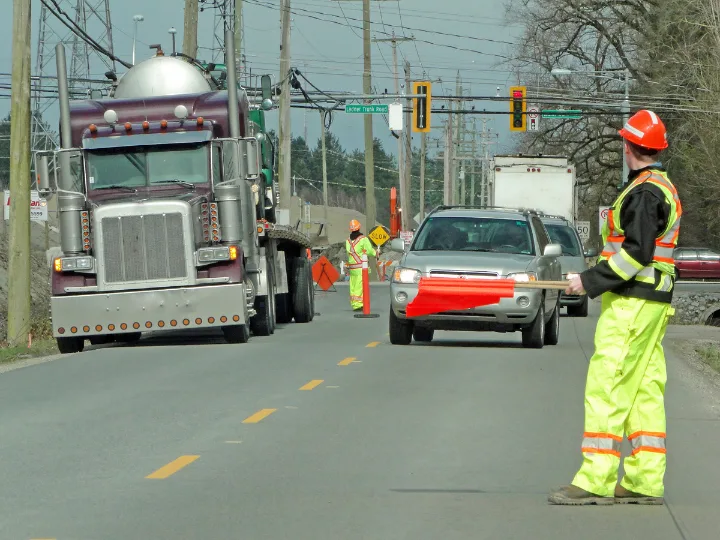
Major roadworks, civil infrastructure and construction projects require careful planning around vehicle movements, pedestrian access and changing work zones. Accredited traffic controllers can play an important role where construction activities interact with public traffic or require controlled movements around active work areas. Project Managers should assess personnel requirements alongside traffic control services Sydney, construction staging and broader site planning.
1. Assess the Project Risk
The first consideration is the level of risk associated with the work environment. Project teams should review traffic volumes, road conditions, work zone locations, vehicle movements and the proximity of workers to live traffic.
Projects involving busy roads, intersections, lane restrictions or frequent heavy vehicle movements may require more structured traffic control arrangements. Assessing these factors early can help determine appropriate personnel requirements.
2. Review Construction Staging
Traffic requirements can change as a project moves through different construction stages. Excavation, utility installation, pavement works and final reinstatement may each create different traffic conditions.
Project Managers should consider when traffic controllers will be required, where they will be positioned and whether deployment levels need to change between stages. This approach can help align personnel with actual site requirements.
3. Coordinate With Traffic Management Planning
Traffic controllers should be integrated into the project's wider traffic management arrangements rather than planned separately. Site access, vehicle routes, pedestrian movements, temporary lane restrictions and work zones should all be considered together.
Clear planning can help establish where personnel are required and what responsibilities they will have during specific construction activities.
4. Consider Vehicle and Pedestrian Movements
Construction sites can experience frequent movements involving delivery vehicles, heavy machinery, workers and other authorised personnel. Pedestrian movements may also need to be managed where footpaths or access routes are affected.
Project teams should assess these movements before construction begins and identify locations where controlled movements may be required. Good coordination can help reduce conflicts between construction activities and surrounding traffic.
5. Allow for Traffic Control Services
Traffic control services Sydney projects may involve a combination of personnel, signage, barriers and other traffic control equipment. Project Managers and Estimators should consider the duration and frequency of these requirements when developing budgets and construction programmes.
Resource planning should also account for different working hours, construction stages and potential changes to site operations.
6. Plan for Changing Conditions
Civil and infrastructure projects can change quickly due to construction progress, unexpected site conditions, weather, access changes or programme adjustments. Traffic control arrangements should therefore be reviewed whenever significant changes occur.
Maintaining communication between Project Managers, site supervisors, traffic control personnel and construction crews can help ensure updated arrangements are understood and implemented appropriately.
Maintain Clear Communication
Communication is an important part of effective traffic coordination. Personnel should understand the relevant site arrangements, vehicle routes, pedestrian movements and changes to work zones.
Project teams should also establish clear channels for reporting changing conditions. Prompt communication can help traffic arrangements remain aligned with construction activities throughout the project.
Planning personnel requirements involves more than determining how many people are needed on site. Project teams should assess risk, construction staging, traffic management planning, vehicle and pedestrian movements, service requirements and changing conditions. By coordinating accredited traffic controllers with broader traffic control services Sydney requirements, commercial, civil and government project teams can support safer work zones and more organised project delivery.
FAQs
When should traffic controllers be planned?
Personnel requirements should be considered during early project planning and reviewed as construction stages and site conditions change.
What factors affect traffic controller requirements?
Traffic volumes, work zone locations, vehicle movements, pedestrian access, construction staging and project risk can all influence requirements.
Why is construction staging important?
Different stages can create different traffic conditions and may require changes to personnel deployment and traffic control arrangements.
What other resources may be required?
Depending on the project, requirements may include temporary signage, barriers and other traffic control equipment.
Why is communication important?
Clear communication helps personnel and construction teams understand traffic arrangements and respond effectively when site conditions change.