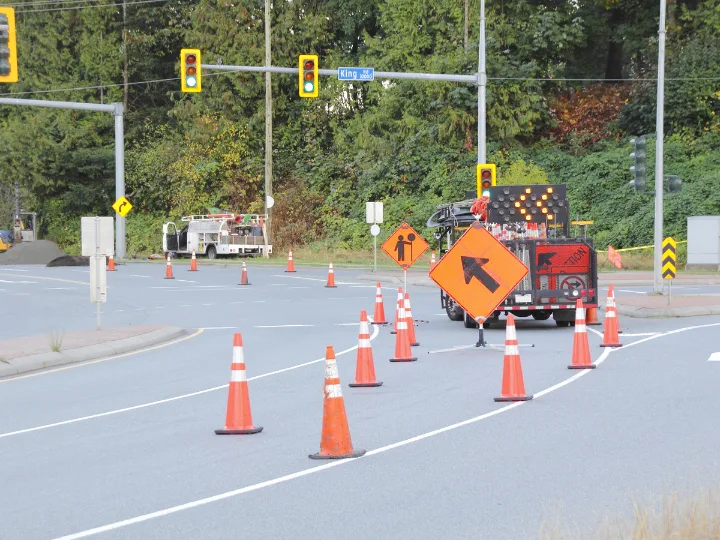
Construction, civil infrastructure and roadwork projects often require temporary equipment to support vehicle movements, pedestrian access and work zone separation. Understanding traffic control equipment hire requirements helps Project Managers, Estimators and Operations Managers plan suitable resources for each stage of a project. A well-coordinated traffic guidance scheme can also help align equipment selection with site conditions, construction activities and movement requirements.
1. Project Scope and Work Zone Size
The overall project scope can influence the type and quantity of temporary equipment required. Larger projects may involve several work zones, access points and construction activities operating simultaneously.
A detailed review of the work area can help project teams determine how much equipment is needed at each location. This prevents resources from being underestimated during the planning and procurement stages.
2. Construction Staging
Roadworks and infrastructure projects often progress through several construction stages. As work zones move, equipment may need to be relocated, added or removed.
Project teams should assess equipment requirements for each stage rather than relying on the initial site layout. Planning these changes early can support smoother transitions and better resource allocation.
3. Vehicle Movement Requirements
The volume and type of vehicle movements can significantly affect equipment needs. Heavy vehicles, delivery trucks, construction plant and subcontractor vehicles may require clearly defined routes and controlled access points.
Temporary signs, cones, barriers and delineation devices can help communicate and establish movement arrangements. Equipment quantities should reflect the number and location of active vehicle interfaces.
4. Pedestrian Access Requirements
Pedestrian movements should be considered wherever construction affects existing footpaths, crossings or access routes. Suitable temporary resources can help establish designated pedestrian paths and separation from construction activities.
Requirements may change as construction progresses. Equipment should therefore be reviewed whenever pedestrian routes or work zones are modified.
5. Site Conditions and Surrounding Environment
Existing site conditions can influence equipment selection and placement. Road width, traffic volumes, intersections, visibility, nearby infrastructure and surrounding development may all affect temporary arrangements.
A site assessment can help identify potential constraints before equipment is hired. This allows project teams to select resources that are suitable for the actual operating environment.
6. Traffic Guidance and Project Coordination
A traffic guidance scheme can help establish how temporary resources should support vehicle and pedestrian movements around a work zone. Equipment should be selected and positioned consistently with the documented arrangements.
Coordination between Project Managers, site supervisors, contractors and equipment providers can help ensure resources are available when required. Communication is particularly important when construction stages or site conditions change.
Planning Equipment Quantities
Equipment requirements should be based on the full project layout rather than a single work area. Multiple access points, work zones and pedestrian interfaces may require resources to be deployed in several locations.
Estimators should consider both initial quantities and potential additional requirements during construction. This can provide a more realistic basis for procurement and budgeting.
Considering Hire Duration
The hire period should align with the construction programme. Equipment may be needed for the full project duration or only during specific stages.
Project teams should consider expected start dates, stage durations and relocation schedules when planning hire periods. This can help minimise unnecessary hire time while maintaining availability.
Planning Equipment Relocation
Staged projects may require equipment to move as work areas change. Relocation requirements should be identified during planning so that responsibilities and timing are clear.
This can help prevent delays when a new construction stage begins and temporary resources need to be repositioned quickly.
Inspecting Equipment During Construction
Hired equipment should be inspected regularly for damage, displacement or missing components. Construction environments can expose temporary resources to vehicle movements, weather and repeated relocation.
Regular checks can help maintain the intended arrangement and identify equipment that needs replacement or adjustment.
Reviewing Requirements as Conditions Change
Temporary arrangements should not remain static when project conditions change. Changes to construction staging, access points, vehicle movements or pedestrian routes can create new equipment requirements.
Project teams should review equipment whenever significant changes occur and coordinate updates with relevant personnel.
Supporting Efficient Equipment Planning
Selecting suitable equipment requires a detailed understanding of project scope, staging, vehicle movements, pedestrian access and site conditions. Early planning can help ensure resources are available when required and suitable for each construction stage.
By coordinating traffic control equipment hire with the project programme and an appropriate traffic guidance scheme, commercial, civil infrastructure and government project teams can support clearer work zones, better resource allocation and more reliable project delivery.
FAQs
1. What determines equipment hire requirements?
Project scope, work zone size, staging, vehicle movements, pedestrian access and site conditions can all influence requirements.
2. Does construction staging affect equipment needs?
Yes. Equipment may need to be relocated, added or removed as work zones and access arrangements change.
3. Why are vehicle movements important?
Heavy vehicles and frequent deliveries can require additional temporary resources to establish clear movement routes.
4. Should equipment be inspected during hire?
Yes. Regular inspections can identify damage, displacement or missing equipment during construction.
5. How can project teams plan hire periods?
Hire periods should be aligned with the construction programme, stage durations and anticipated relocation requirements.