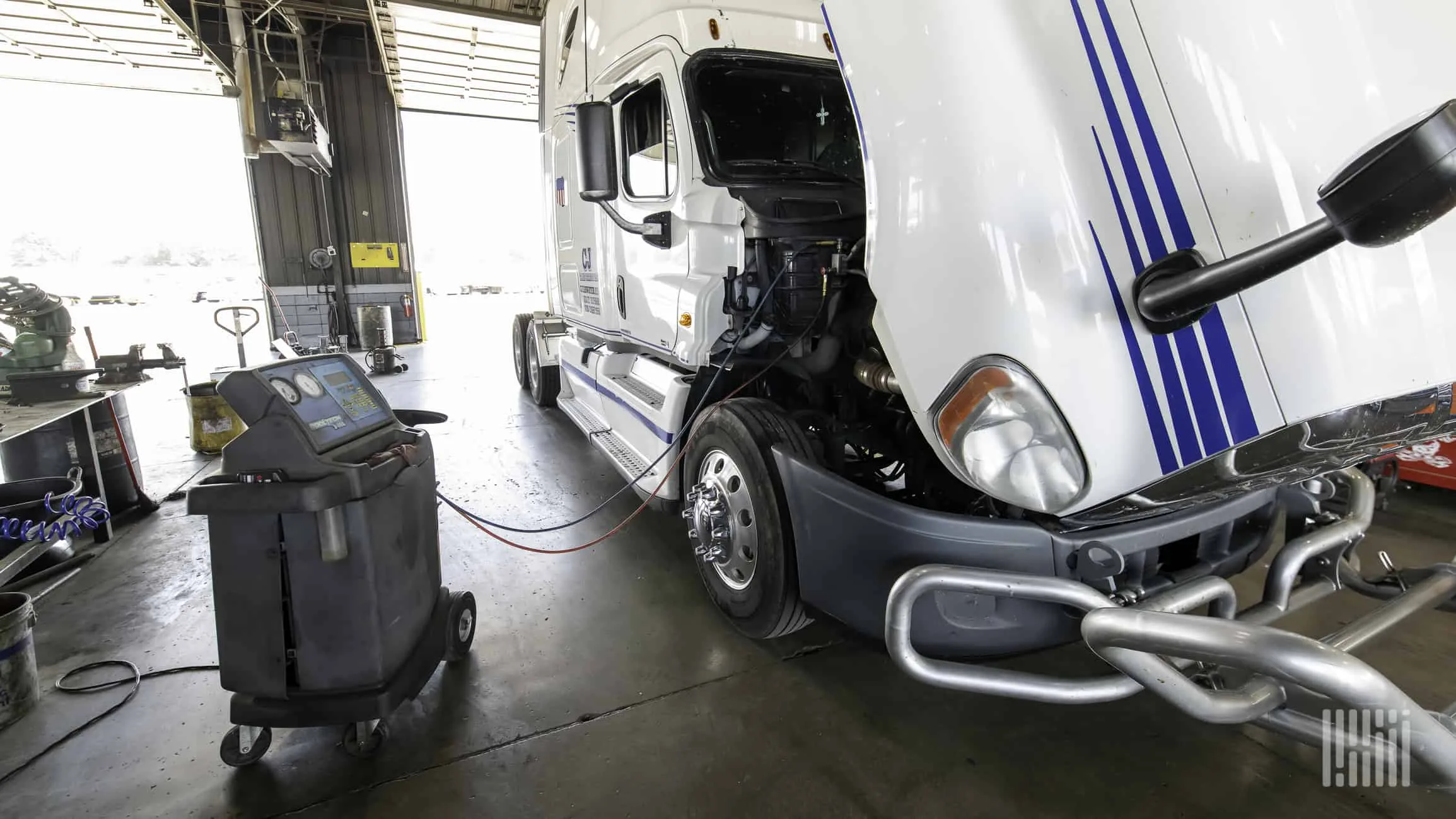
A truck accident happens in an instant, but its impact lingers for a lifetime. Commercial trucks' sheer weight and force make even little collisions catastrophic events. In the immediate aftermath, adrenaline takes over, confusion sets in, and critical decisions must be made. Insurance and trucking companies act quickly—not to help victims but to minimize their liability. This puts accident victims at a serious disadvantage, forcing them to navigate a complex legal and medical maze while recovering from trauma. Every step taken in the first few moments and days will determine the success of any future claims. Failing to act decisively can lead to costly mistakes, increasing medical bills, and lost wages that burden victims for years to come.
Preserving Crucial Evidence Before It’s Gone
Key evidence begins disappearing almost immediately after a truck accident. Skid marks fade, road conditions change, and damaged vehicles are quickly removed. Critical electronic data—such as black box recordings, GPS logs, and electronic logging devices (ELDs)—can be altered or lost if not secured promptly. Important information in these records include the speed, braking patterns, and driver activity prior to the collision of the truck. Trucking companies, however, have access to this information and usually act quickly to defend their interests.
To counter this, accident victims must act just as quickly. Photographing the scene from multiple angles and capturing vehicle damage, road conditions, and visible injuries strengthens a claim. Eyewitness accounts and surveillance video from surrounding companies or traffic cameras offer priceless proof. Gathering contact information from bystanders ensures firsthand accounts remain available.
Seeking Medical Attention Beyond Obvious Injuries
Truck accidents cause more than visible wounds. The force of impact can lead to serious internal injuries, including traumatic brain injuries, spinal cord damage, and internal bleeding—conditions that don’t always show immediate symptoms. Many victims underestimate their injuries because of shock and adrenaline mask pain. Days later, symptoms might show up; delaying treatment raises questions for insurance companies.
Seeking immediate medical evaluation is essential not only for health but also for legal claims. Insurance providers scrutinize medical records for any gaps in treatment, using them to argue that injuries were not accident-related. Comprehensive medical assessments, including MRIs and CT scans, help uncover hidden injuries and ensure accurate documentation.
Identifying Liability in a Complex Legal Landscape
Unlike a standard car accident, liability in a truck collision is rarely straightforward. The truck driver, the trucking company, the cargo loaders, or even the vehicle manufacturer could all be liable, among several others. Truck drivers operate under strict federal regulations, which control everything from rest periods to load limits. However, violations are common, as companies often pressure drivers to exceed legal working hours to meet delivery deadlines.
Determining fault calls for careful investigation. Legal professionals look over driver logs, maintenance records, and corporate policies in search of violations. Incorrectly loaded goods change weight distribution, so increasing the likelihood of rollovers or jackknifing. Mechanical failures caused by neglected maintenance can point to trucking company or manufacturer liability..
Hiring An Accident Lawyer
From the moment a crash occurs, trucking companies and insurers deploy aggressive legal teams to minimize payouts. Usually, before victims fully appreciate the scope of their injuries or financial losses, their aim is to settle quickly and cheaply. Going up against these well-funded defense teams without legal representation puts victims at a severe disadvantage.
Securing the best commercial truck accident lawyer in town ensures a level playing field. Expert lawyers build strong cases by working with accident reconstruction experts, having great knowledge of state and federal trucking rules, and specializing in trucking litigation. They bargain with insurance companies to get just pay for lost wages, medical bills, and emotional suffering. Without skilled legal advocacy, victims risk accepting settlements that fail to cover long-term medical and financial needs.
Assessing the Full Scope of Financial and Emotional Damages
The financial consequences of a truck accident go far beyond initial hospital bills. Many victims face extended recovery periods, requiring months or even years of treatment. Lost wages, permanent disability, rehabilitation costs, and therapy expenses quickly add up. Emotional distress, including PTSD, pain and suffering, and reduced quality of life, must also be factored into any settlement.
Many times, insurance companies force victims into accepting quick payouts that overlook long-term expenses. A properly structured claim ensures that both financial and non-financial damages are fully recognized.
Conclusion
Taking immediate, informed action determines the outcome of a truck accident claim. Preserving evidence before it disappears, prioritizing medical treatment, identifying liable parties, securing strong legal representation, and fully calculating financial and emotional losses all shape the road to recovery. Every decision carries lasting consequences, and delays only benefit those trying to evade responsibility. A strategic approach ensures justice, financial security, and the ability to move forward without bearing the burden of someone else’s negligence.