A car goes through a lot more than daily commutes. Every drive brings exposure to a long list of elements that wear on its appearance across the years. Regular washing and waxing help maintain your car’s appearance to some extent, but neither holds up as long-lasting protection against these everyday challenges.
This is one of the main reasons car ceramic coating has picked up so much popularity among vehicle owners. Built to form a durable layer over the paint, ceramic coating helps hold onto gloss, simplifies cleaning and improves resistance to common contaminants.
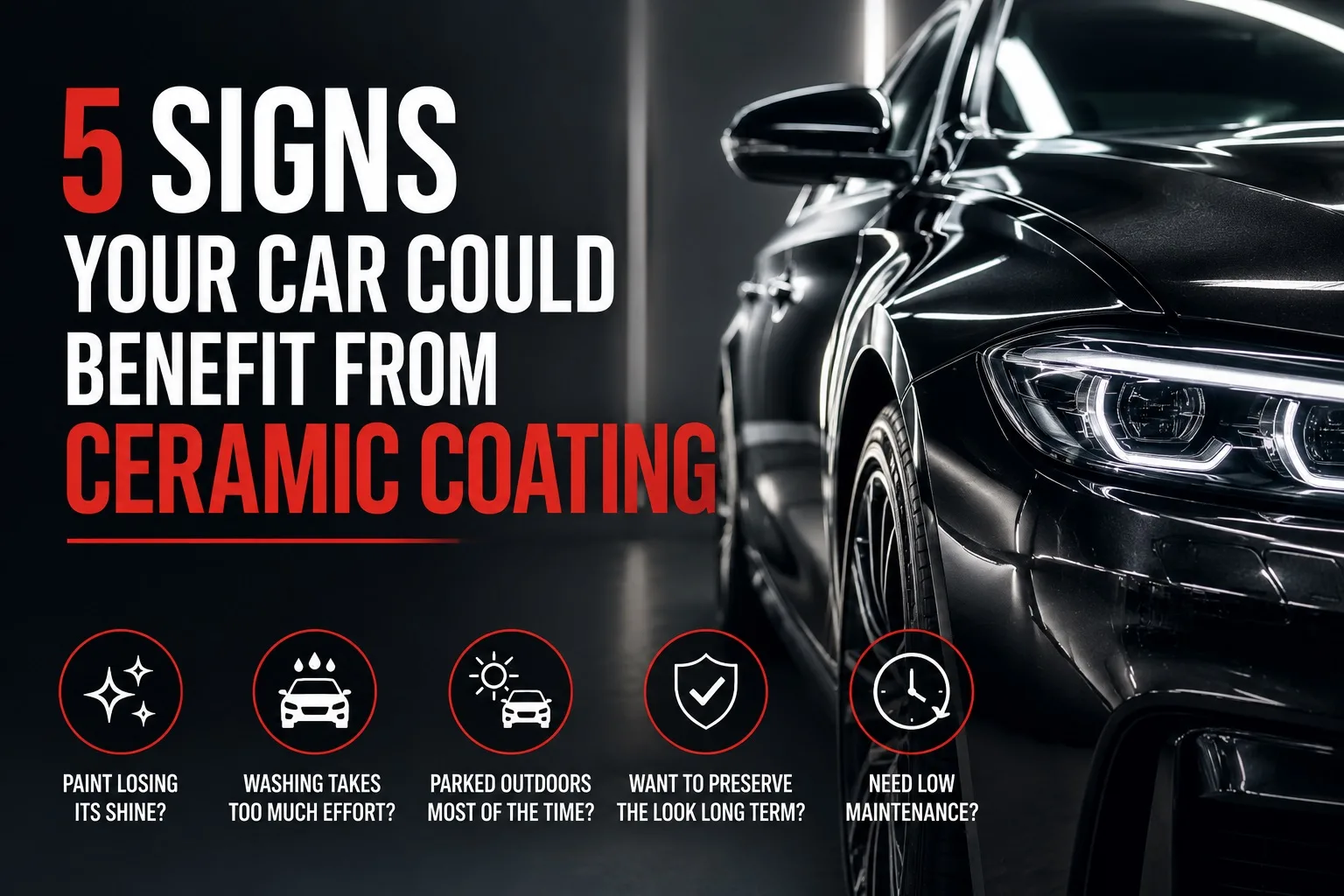
Not every car needs it right away, though certain signs point toward ceramic coating being worth the investment. Here are five worth paying attention to.
1. The Paint Is Losing Its Shine Faster Than Usual
A drop in gloss is usually the earliest sign of paint wear. Even with regular washing, paint can start looking dull or lifeless after enough exposure to sunlight, pollution and harsh weather.
The clear coat picks up microscopic particles across regular use that reduce how much light the paint reflects. UV exposure adds oxidation on top of that, especially on vehicles parked outdoors for long stretches.
Ceramic coating doesn't restore paint that's already damaged, but applied after proper preparation, it helps hold onto a deep, glossy finish for much longer.
Needing frequent polishing just to bring the shine back is usually a sign that a longer-lasting paint protection option is worth exploring.
2. Washing Takes More Effort Than It Used To
Dirt sticking harder than before is a common complaint. Road dust, mud, water stains, bug splatter and traffic pollution cling to untreated paint, stretching out routine washing and sometimes staying visible even after a full clean.
The defining trait of ceramic coating is its hydrophobic nature. Water beads on the surface and rolls off easily, taking loose dirt along with it. Washing is still necessary, but most owners find the process gets quicker and takes noticeably less effort.
A car that feels like a weekly chore to maintain is often a sign that ceramic coating could simplify the routine.
3. The Vehicle Spends a Lot of Time Outdoors
Covered parking isn't an option for every car owner. A vehicle that spends most of its time outdoors deals with:
- Intense sunlight
- UV radiation
- Acid rain
- Bird droppings
- Tree sap
- Dust and pollution
- Hard water deposits
Left untreated, these factors wear down paint through regular use.
Ceramic coating adds a layer of resistance against a lot of these everyday contaminants. It doesn't remove the risk entirely, but it creates a barrier that makes contaminants easier to clean off before they cause lasting damage.
For cars parked in regions with hot summers, heavy rainfall, coastal humidity or high pollution levels, that extra resistance tends to matter more.
4. Preserving the Car's Appearance Long Term Is the Goal
Plenty of owners choose ceramic coating not because their car already looks worn, but because they want to stop visible wear before it starts.
Whether the vehicle was bought recently or has been well maintained for years, protecting the paint early usually takes less effort than correcting years of built-up damage later.
Owners planning to keep a vehicle for the long haul often treat ceramic coating as part of a maintenance strategy rather than a cosmetic upgrade.
A well-kept exterior tends to draw stronger buyer interest if the car is sold down the line, since appearance is often the first thing a potential buyer notices.
5. A Low Maintenance Paint Protection Option Is the Priority
Traditional waxes and sealants improve gloss for a while, but they need regular reapplication to keep working.
Not every owner has the time to wax a car every few months.
Ceramic coating offers a more durable alternative that keeps performing with proper care. Routine washing still matters, but the need for frequent polishing or waxing drops considerably.
For busy professionals, families or anyone who wants a car to stay cleaner between washes, ceramic coating strikes a practical balance between protection and convenience.
Is Ceramic Coating Right for Every Vehicle?
Ceramic coating works well for a lot of vehicles, though the right choice depends on what an owner actually expects from it.
For anyone mainly concerned about stone chips from highway driving, paint protection film (PPF) offers stronger impact resistance.
Ceramic coating tends to be the right fit for car owners who want to:
- Preserve paint gloss
- Make washing easier
- Improve resistance to environmental contaminants
- Cut down on maintenance effort
- Protect a new or well-maintained finish
Understanding the differences between available paint protection options makes for a far more informed decision.
When PPF Makes More Sense Than Ceramic Coating
Paint protection film sits in a different category altogether. Instead of bonding a hard layer onto the existing clear coat, PPF adds a thick, physical film on top of the paint that absorbs impact rather than just resisting chemicals and UV exposure.
For anyone driving mostly on highways, dealing with loose gravel or parking near construction zones, that difference matters. Stone chips, gravel kickback and minor road debris can chip through paint that only has ceramic coating on it, since ceramic coating adds gloss and chemical resistance but doesn't cushion actual impact.
PPF tends to make more sense for:
- High impact areas like the front bumper, bonnet, mirrors and door edges
- Vehicles that spend a lot of time on highways or gravel roads
- Owners who want protection against physical damage rather than just chemical and UV wear
- Longer term coverage, since a quality PPF installation can last five to ten years compared to two to five years for most ceramic coatings
Plenty of owners end up combining both, with PPF on the high-impact panels and ceramic coating across the rest of the car. That combination covers physical impact where it matters most while keeping the gloss and easy cleaning ceramic coating provides everywhere else.
The right choice comes down to what kind of damage a car is actually exposed to on a regular basis, not which option sounds more advanced.
A Few Things to Remember
Before committing to ceramic coating, a few practical points are worth keeping in mind:
- Proper paint preparation matters for getting solid results
- Ceramic coating doesn't make a vehicle scratch-proof
- Regular washing is still necessary
- Professional installation delivers more consistent results than a DIY or improper application
- Following recommended aftercare helps the coating perform at its best
Realistic expectations go a long way toward appreciating what ceramic coating actually delivers.
Final Thoughts
Every vehicle deals with the effects of daily driving, changing weather and general environmental exposure across its life. None of that goes away entirely, but it can be managed with the right approach to paint protection.
A car losing its shine, getting harder to clean, spending long hours outdoors, or simply needing an easier way to hold onto its appearance are all signs worth paying attention to.
Rather than a luxury, plenty of drivers now treat ceramic coating as a practical investment in long-term vehicle care. Understanding what a car actually needs, choosing quality products and sticking to proper maintenance keep it looking its best for years.