
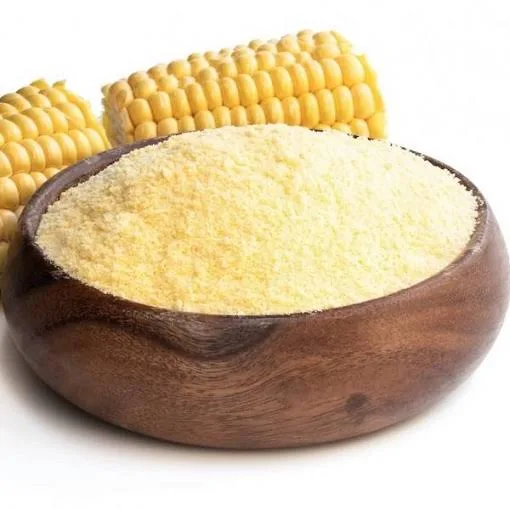
Introduction
Modern diets are increasingly shifting away from refined, processed foods toward ancient grains and traditional flours that our grandparents swore by. One such overlooked gem is makki ka atta — the stone-ground corn flour that has nourished North Indian families for centuries. If you have not yet added it to your kitchen, here are five compelling reasons to make the switch today is god.
1. It Is Naturally Gluten-Free
Makki ka atta is made from 100% maize (corn) with zero wheat content, making it completely gluten-free. For the estimated 6–8% of India's population dealing with gluten sensitivity or celiac disease, it is one of the safest, most culturally familiar flour alternatives available. Unlike expensive imported gluten-free blends, makki atta is accessible, affordable, and deeply rooted in Indian culinary tradition.
2. High Dietary Fiber Supports Gut Health
Stone-ground makki atta contains approximately 7 grams of dietary fiber per 100 grams — significantly more than refined wheat flour. This fiber content promotes healthy digestion, prevents constipation, feeds beneficial gut bacteria, and keeps you feeling full longer. Dietitians increasingly recommend high-fiber flours for patients with IBS, bloating, or sluggish digestion.
3. Moderate Glycemic Impact — Good for Blood Sugar
Unlike refined white flour, whole-grain makki ka atta has a more moderate impact on blood sugar levels. Its fiber and complex carbohydrate composition slow glucose absorption, making it a smarter choice for individuals managing Type 2 diabetes or insulin resistance. Pair it with desi ghee and sarson ka saag for a traditional, balanced meal.
4. Rich in Essential Micronutrients
Makki ka atta delivers a meaningful dose of Vitamin B1 (Thiamine), Niacin (B3), Magnesium, Phosphorus, and Zinc — nutrients critical for energy metabolism, nerve function, and immunity. The key is choosing stone-ground varieties that preserve the bran and germ rather than commercial roller-milled flour that strips these nutrients away. Makki Ka Atta is milled fresh after every order, ensuring maximum nutrient retention.
5. Versatile Beyond Makki Ki Roti
Most people associate makki ka atta exclusively with the Punjabi winter classic, makki ki roti. But this flour is far more versatile — use it to make corn bhakri, gluten-free pancakes, savory cheelas, or as a thickener for soups and gravies. It even works beautifully in baking when blended with other gluten-free flours like jowar or rice flour.
Conclusion
Switching to makki ka atta is a simple, delicious, and highly effective dietary upgrade. It is gluten-free, fiber-rich, micronutrient-dense, and deeply embedded in India's culinary heritage. Start with one meal a week and feel the difference yourself.