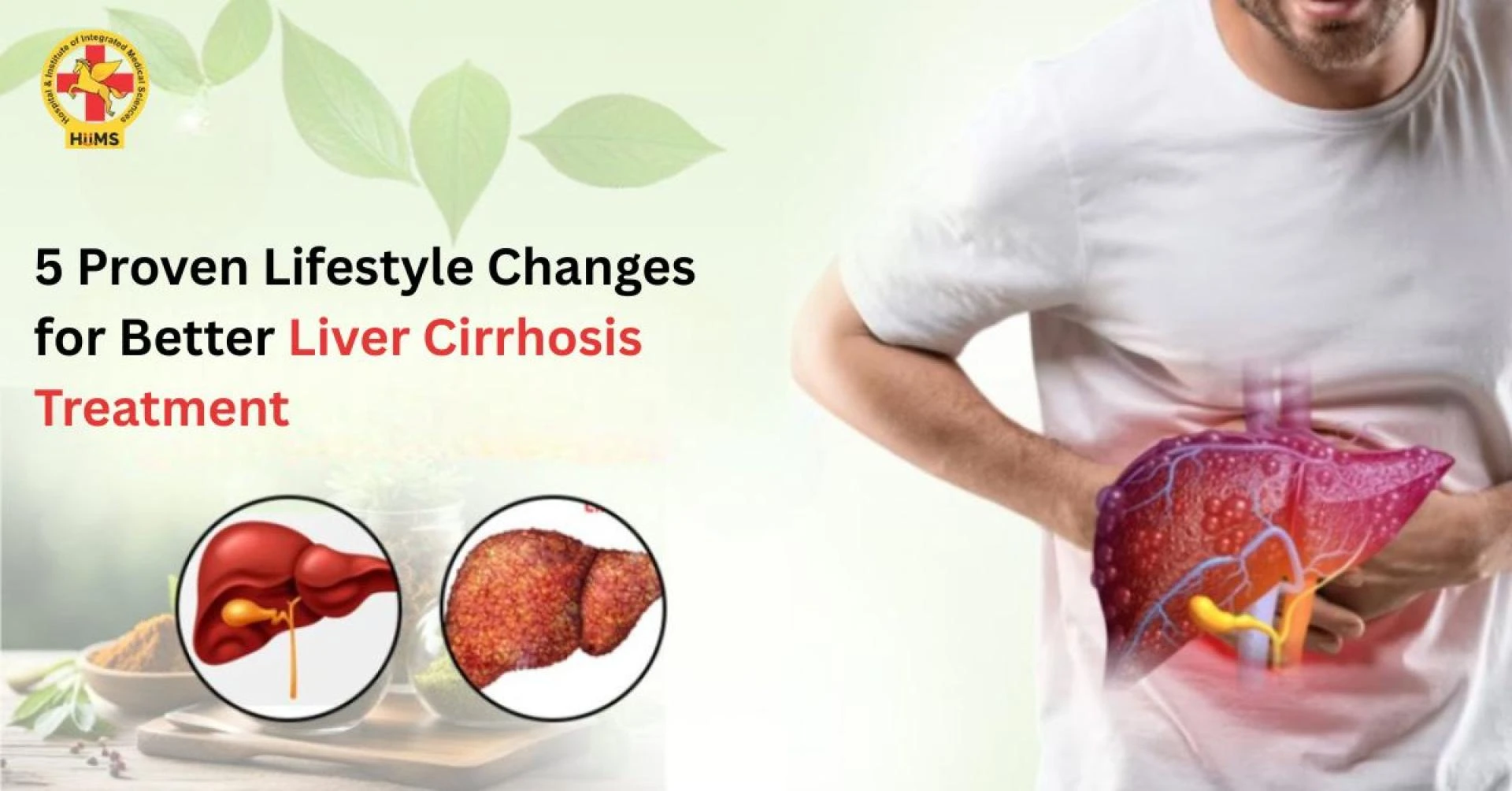
Liver cirrhosis is a long-term condition in which healthy liver tissue is gradually replaced by scar tissue, reducing the liver’s ability to function properly. While medical care plays an essential role, lifestyle changes are equally critical for improving liver cirrhosis treatment outcomes. Many patients experience better symptom control, slower disease progression, and improved quality of life by making consistent daily changes. At Jeena Sikho HiiMS, liver care focuses on correcting root causes and guiding patients toward sustainable lifestyle practices that support liver healing. Below are five proven lifestyle changes that significantly contribute to better liver cirrhosis treatment.
1. Adopt a Liver-Friendly, Balanced Diet
Diet plays a foundational role in liver cirrhosis treatment. Since the liver processes nutrients, toxins, and medications, eating the right foods reduces unnecessary stress on the organ.
A liver-friendly diet should include:
- Fresh fruits and vegetables rich in antioxidants
- Whole grains such as brown rice and oats
- Moderate amounts of plant-based proteins
- Healthy fats from nuts, seeds, and cold-pressed oils
At the same time, patients should limit:
- Fried and processed foods
- Excess salt, which can worsen fluid retention
- Refined sugar and artificial additives
Balanced meals help maintain energy levels, reduce inflammation, and support digestion. At Jeena Sikho HiiMS, dietary guidance is personalized to each patient’s liver stage, digestion strength, and nutritional needs, ensuring safe and practical food choices.
2. Completely Avoid Alcohol and Harmful Substances
One of the most important lifestyle changes for liver cirrhosis treatment is strict avoidance of alcohol. Alcohol is directly toxic to liver cells and accelerates scarring, even in small amounts.
In addition to alcohol, patients should also be cautious about:
- Smoking
- Unnecessary painkillers or self-medication
- Chemical exposure from household or workplace toxins
Eliminating these harmful substances allows the liver to conserve energy for repair and detoxification. Jeena Sikho HiiMS strongly emphasizes patient education so individuals understand how daily habits can either protect or damage liver health over time.
3. Maintain a Healthy Weight and Improve Metabolism
Being overweight or underweight can both negatively impact liver cirrhosis. Excess body fat, especially around the abdomen, increases inflammation and fatty changes in the liver, while poor nutrition weakens immunity and healing capacity.
Healthy weight management includes:
- Eating at regular intervals
- Avoiding overeating or long fasting periods
- Choosing foods that are easy to digest
Improving metabolism supports better nutrient absorption and reduces liver load. Programs at Jeena Sikho HiiMS focus on gradual, sustainable weight balance rather than extreme dieting, helping patients feel stronger without exhausting the body.
4. Follow a Consistent Sleep and Stress-Reduction Routine
Chronic stress and poor sleep disturb hormonal balance and digestion, indirectly affecting liver function. Many cirrhosis patients experience fatigue, anxiety, and sleep disturbances, which can slow recovery.
Proven lifestyle improvements include:
- Sleeping and waking at fixed times
- Limiting screen exposure before bedtime
- Practicing relaxation techniques such as breathing exercises
Reducing mental stress supports liver regeneration and improves overall treatment response. At Jeena Sikho HiiMS, patients are guided to build routines that promote physical rest and mental calm, which are essential for long-term liver care.
5. Engage in Gentle Physical Activity and Regular Monitoring
While intense exercise may not be suitable for all cirrhosis patients, gentle physical activity improves circulation, digestion, and muscle strength. Activities such as walking, light stretching, or guided movements help prevent weakness and fluid accumulation.
Benefits of regular activity include:
- Better appetite and digestion
- Reduced fatigue
- Improved insulin sensitivity
Equally important is regular health monitoring. Timely check-ups, blood tests, and imaging help track disease progression and adjust treatment plans early. Jeena Sikho HiiMS encourages ongoing follow-ups so patients remain informed and confident about their liver health journey.
Why Lifestyle Changes Matter in Liver Cirrhosis Treatment
Liver cirrhosis cannot be reversed overnight, but lifestyle changes can slow progression, reduce complications, and enhance treatment effectiveness. Many patients mistakenly rely only on medicines while continuing harmful habits, which limits recovery. By improving diet, avoiding toxins, managing stress, maintaining healthy weight, and staying active, patients create an internal environment where the liver can function more efficiently. These changes also improve digestion, immunity, and mental well-being.
At Jeena Sikho HiiMS, liver cirrhosis treatment is approached holistically combining medical guidance with lifestyle correction to support long-term health rather than short-term symptom relief.
Conclusion
Managing liver cirrhosis requires patience, discipline, and informed daily choices. The five proven lifestyle changes discussed above balanced nutrition, alcohol avoidance, healthy weight management, stress control, and gentle activity play a crucial role in improving treatment outcomes. With expert guidance from Jeena Sikho HiiMS, patients receive structured support to adopt these changes safely and effectively. Consistency in lifestyle improvement not only supports liver health but also enhances overall quality of life, giving patients the strength to move forward with confidence.