An adequately functioning HVAC is required to have a comfortable residence. Whether the heat of summer or the cold of winter, a properly cared-for system guarantees efficiency, extends the lifespan of your equipment, and keeps energy costs from spiking. The lack of periodic maintenance could mean costly repairs, reduced performance, and unhealthy interior air quality. Besides, an inefficient HVAC system can also not provide a suitable temperature, leading to discomfort and unnecessary stress on its components. Happily, by doing the right thing, homeowners can keep heating and cooling systems in top condition throughout the year. Below are four tips for maintaining an HVAC system and avoiding unexpected breakdowns.
1. Change or Clean Air Filters Periodically
Air filters are the most important parts of an HVAC system's efficiency and effectiveness. They trap dust, dirt, and other airborne debris in time and jam the system, restricting airflow. A clogged filter makes the unit consume more energy, potentially leading to damage and higher energy consumption. Checking air filters once a month and replacing them once or twice within one to three months, based on usage and air conditions, is recommended. Pet owners and allergy sufferers may require more replacements. Keeping clean filters ensures maximum airflow, increases indoor air quality, and keeps the system running efficiently. Dirty, unfiltered filters also cause the heating or cooling to be uneven and result in some sections of the house becoming either too hot or too cold.
2. Clean and Clear the Outdoor Unit
The outdoor condenser unit is a very important part of an HVAC system but one that is largely avoided. Leaves, dirt, and soil may accumulate around the unit, restricting airflow and reducing efficiency. To prevent this, it's advisable to keep the area around the unit clear of obstructions like long grass, shrubs, and leaves. Periodic cleaning of the condenser coils at least once a year also enhances heat transfer and system performance. A simple inspection every few weeks ensures that the system does not work too hard as a result of clogging. Regular maintenance of the outdoor unit leads to greater efficiency and reduces unnecessary wear and tear. The unit will struggle to dissipate heat if it remains blocked for a long time, which can lead to overheating and system failure.
3. Schedule Professional Maintenance Every Year
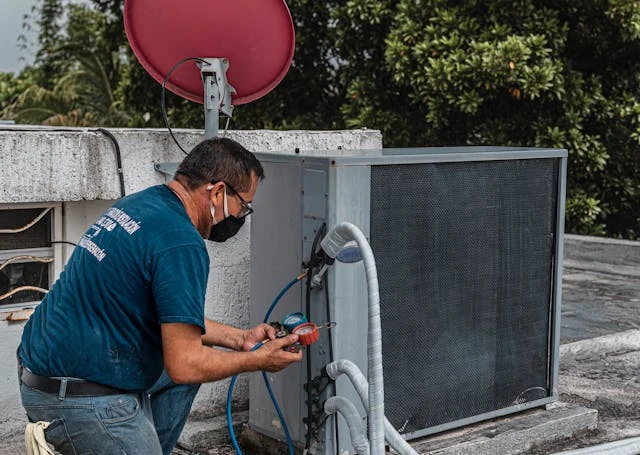
Even with regular maintenance, professional maintenance is necessary to have an HVAC system in the best shape. An HVAC-certified technician will be able to detect possible issues before they lead to costly repairs. In a tune-up, they check for leaks, test electrical connections, lubricate moving parts, and ensure all systems are running at maximum efficiency. For those who need expert care, experts on HVAC in Toledo and across the country provide comprehensive inspections and maintenance to maximize efficiency and maximize system life. Scheduling an annual professional check-up, preferably prior to the peak-demand cooling or heating season, avoids unexpected breakdowns and keeps the system operating at peak levels. Professional maintenance also increases energy efficiency by keeping everything clean, calibrated, and operating at peak levels.
4. Optimize Thermostat Setting for Efficiency
Incorrectly adjusted thermostats can lead to wasted energy and increased utility costs. With a smart or programmable thermostat, homeowners can schedule temperature adjustments according to daily routines. Lowering the temperature by one or two degrees in winter and raising it by one or two degrees in summer when the house is unoccupied can save significant energy. Additionally, restricting extreme temperature fluctuations saves the wear and tear on the HVAC system. With the thermostat at a single and mid-point setting, comfort is maintained while efficiency is increased. Small changes in temperature control can make a big difference in performance and energy savings. A well-calibrated thermostat not only optimizes the system for efficiency but also avoids excessive system cycling that, over time, causes undue wear and tear.
Maintenance of an HVAC system is important to offer comfort and efficiency all year round. Simple steps like replacing air filters, keeping the outdoor unit free from obstructions, professional maintenance at regular intervals, and adjusting thermostat control can help a great deal in improving performance as well as system longevity. Regular maintenance not only prevents costly repair work but also saves energy costs and maintains better interior air quality. Homeowners will be able to avert surprise breakages and ensure their heating as well as cooling systems if they are proactive towards maintenance. With proper maintenance and care, an HVAC system can continue to function effectively and efficiently, regulating the climate steadily for years to come.
Sources
https://eupry.com/temperature-monitoring/why-is-the-temperature-fluctuating-in-my-cooling-equipment/
https://atlantiscomfort.com/blog/4-maintenance-tips-to-keep-your-hvac-system-running-optimally