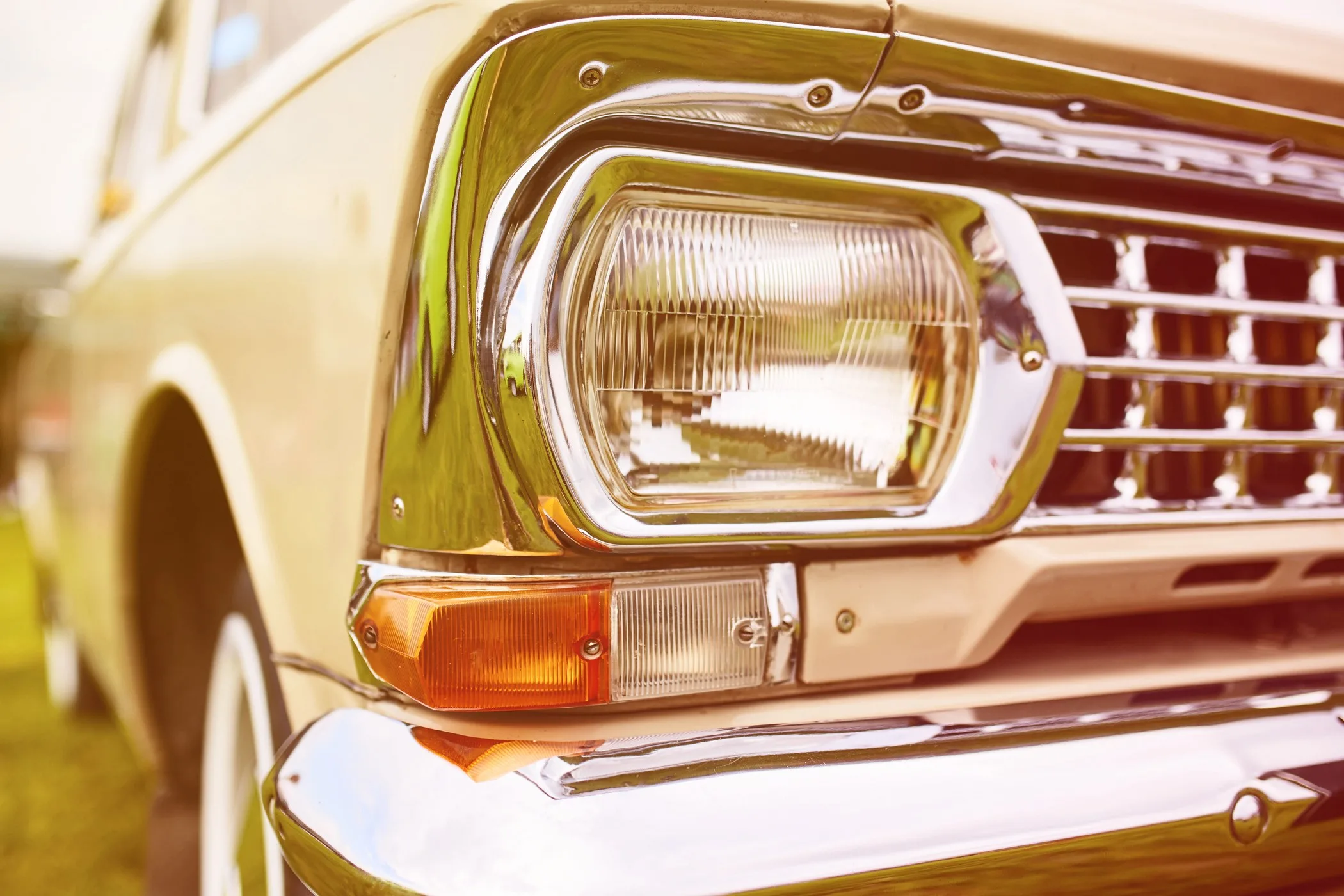
The 1978 Cadillac Coupe de Ville is a classic American luxury car that continues to attract collectors, restoration enthusiasts, and weekend cruisers. Its large body, smooth ride, distinctive styling, and powerful engine reflect an era when Cadillac represented comfort and road presence. However, keeping a nearly five-decade-old vehicle running properly requires more than regular maintenance. Over time, engine components wear out, seals deteriorate, gaskets lose their effectiveness, and previous repairs may leave the engine with mismatched or incorrect components.
That is why buying the right 1978 cadillac coupe deville parts is an important part of any restoration or maintenance project.
Engine restoration can become expensive when parts are purchased without checking compatibility, condition, application, or quality. Whether you are rebuilding the original engine, repairing a specific problem, or simply keeping your Coupe de Ville dependable, understanding what to look for before buying can save both money and time.
Caddy Daddy - Vintage and Antique Cadillac Parts Dealer provides restoration-focused solutions for enthusiasts working on classic Cadillac vehicles. A specialized supplier can be particularly useful when ordinary automotive stores no longer carry components for an older Cadillac application.
This practical guide explains how to evaluate engine components, which parts typically deserve attention first, what to consider when buying replacement components, and how to approach an engine restoration while preserving the character of your 1978 Cadillac Coupe de Ville.
Why Engine Parts Require Careful Selection
Modern vehicles benefit from large parts inventories and widespread aftermarket support. Classic cars are different. A component that appears visually similar may not necessarily be correct for a particular year, engine configuration, or application.
This is particularly important when working on a Cadillac from the late 1970s. Engine components can differ based on engine specifications, emissions equipment, production changes, and other application details.
Before ordering any part, identify as much information about the vehicle as possible.
Useful information includes:
- Model year
- Exact Cadillac model
- Body style
- Engine type
- Engine displacement
- Vehicle identification information
- Existing component numbers
- Original equipment specifications
- Previous modifications
Taking the time to identify the vehicle correctly is one of the simplest ways to avoid buying the wrong component.
Begin With an Engine Inspection
Before purchasing 1978 cadillac coupe deville parts, inspect the engine and determine what actually needs replacement.
It is easy to assume that an old engine needs a complete rebuild simply because it has high mileage or looks dirty. However, not every aging engine requires the same level of work.
A basic inspection should look for:
- Oil leaks
- Coolant leaks
- Low oil pressure
- Excessive smoke
- Unusual engine noise
- Poor compression
- Overheating
- Hard starting
- Rough idle
- Poor acceleration
- Excessive oil consumption
- Damaged wiring
- Corroded connectors
- Worn belts and hoses
A compression test and other appropriate diagnostic checks can provide useful information about the engine's internal condition.
If the engine is fundamentally healthy, replacing seals, gaskets, ignition components, cooling components, and other worn items may be sufficient. If there is significant internal wear, a more extensive rebuild may be justified.
Understand Your Engine Configuration
One of the most important considerations when purchasing engine components is knowing exactly which engine is installed in the vehicle.
A 1978 Cadillac may have different equipment depending on the specific vehicle configuration and production specifications. Additionally, a classic Cadillac may no longer contain its original engine. Previous owners sometimes replace engines, modify components, or install parts from other vehicles.
Never assume that the engine currently installed is identical to what came from the factory.
Check:
- Engine identification information.
- Casting or identification numbers where applicable.
- Existing component numbers.
- Service documentation.
- Vehicle records.
- Previous restoration information.
This step becomes especially important when purchasing internal engine components because seemingly minor differences can affect compatibility.
1. Gaskets and Seals
Gaskets and seals are among the most common engine components to deteriorate with age.
Even if an engine has relatively low mileage, decades of heat cycles can cause rubber and gasket materials to harden, shrink, crack, or lose their sealing ability.
Common areas to inspect include:
- Valve covers
- Intake manifold
- Exhaust-related connections
- Oil pan
- Timing-related covers
- Water pump area
- Thermostat housing
- Rear and front sealing areas
- Other fluid passages
Replacing worn seals can help prevent oil and coolant leaks and improve the overall cleanliness of the engine compartment.
When purchasing gaskets, avoid selecting products solely because they are inexpensive. Material quality and application accuracy matter.
An experienced Antique Cadillac Parts Dealer can help you identify parts intended for classic Cadillac applications rather than relying on generic components.
2. Cooling System Components
A healthy cooling system is essential for any classic engine.
Overheating can cause serious damage, and older cooling components may not perform as effectively as they did when new.
Inspect:
- Radiator
- Water pump
- Thermostat
- Radiator hoses
- Heater hoses
- Fan components
- Belts
- Radiator cap
- Cooling-system connections
Look for corrosion, leaks, cracking, restricted flow, and signs of previous overheating.
If you are restoring an engine that has been sitting for years, do not assume the cooling system is ready for regular driving. Flush and inspect the system appropriately and replace components that have clearly deteriorated.
Good cooling-system maintenance is one of the best ways to protect an older Cadillac engine.
3. Fuel System Components
Fuel-system components can also deteriorate with age.
Depending on the vehicle's configuration, inspect the fuel delivery system for signs of contamination, leaks, damaged hoses, deteriorated connections, and other problems.
A vehicle that has been stored for a long period may require more extensive fuel-system attention than a car that has been driven regularly.
When replacing fuel-related components, use products specifically appropriate for the application and fuel system.
Never overlook safety when dealing with fuel. Any suspected fuel leak should be addressed immediately before operating the vehicle.
4. Ignition Components
The ignition system plays an important role in starting, idling, fuel efficiency, and engine performance.
During an engine restoration, inspect the ignition components carefully.
Depending on the configuration, components may include:
- Distributor
- Distributor cap
- Rotor
- Spark plugs
- Spark plug wires
- Ignition-related wiring
- Ignition coil
- Other ignition components
Old ignition components may appear usable but still suffer from age-related deterioration.
Replacing worn components can improve reliability and help the engine operate more consistently.
However, avoid replacing every component automatically. Test what can reasonably be tested and replace items that are damaged, worn, or outside acceptable specifications.
5. Belts and Pulleys
Engine belts are relatively simple components, but their failure can leave a classic Cadillac stranded.
Rubber belts deteriorate over time from heat, age, and exposure to fluids.
Inspect belts for:
- Cracks
- Fraying
- Glazing
- Excessive slack
- Oil contamination
- Uneven wear
Check pulleys and tension-related components for abnormal movement or noise.
If an engine restoration includes replacing several aging components, belts are inexpensive preventive-maintenance items that should not be overlooked.
6. Hoses and Connections
Hoses are another category where age can matter as much as mileage.
A vehicle may have spent years parked in a garage, but its rubber components can still deteriorate.
Inspect coolant hoses, vacuum hoses, fuel-related hoses, and other flexible connections for cracking, brittleness, swelling, and deterioration.
Use the correct type of replacement hose for the intended application. Generic hose may not always be suitable for every system.
7. Starter and Charging Components
A classic Cadillac needs dependable electrical and starting systems.
Inspect the starter, alternator or charging components, battery connections, cables, grounds, and related wiring.
Poor electrical connections can produce symptoms that appear to be engine problems. For example, slow cranking may be caused by battery or cable issues rather than an internal engine fault.
Before replacing expensive components, test the electrical system.
Clean and secure grounds are particularly important on older vehicles because corrosion can create resistance and cause intermittent problems.
8. Engine Mounts
Engine mounts are easy to forget during a restoration because they are not usually visible from the top of the engine.
However, worn mounts can cause excessive engine movement, vibration, and stress on connected components.
Inspect mounts for:
- Cracked rubber
- Separation
- Excessive movement
- Deteriorated mounting material
- Incorrect installation
If the engine is being removed for a major rebuild, inspect the mounts while access is available.
This is a good example of preventive restoration: replacing an inexpensive worn component while the engine is accessible can be easier than dealing with the same problem later.
9. Exhaust-Related Components
Exhaust components should also be evaluated during an engine restoration.
Look for leaks, corrosion, damaged mounting points, deteriorated gaskets, and improperly repaired sections.
Exhaust leaks can affect engine noise, cabin comfort, emissions performance, and overall driving quality.
If the vehicle is being restored for regular road use, make sure the exhaust system is secure and appropriately sealed.
Choosing Original vs. Reproduction Engine Parts
One of the most common decisions classic-car owners face is whether to buy original components, used parts, restored parts, or modern reproductions.
There is no single answer for every restoration.
Original Components
Original components can be desirable for authenticity. However, decades of wear may make used originals unsuitable for direct installation.
Reproduction Components
Quality reproductions can be a practical option when original components are unavailable or too worn.
The key is quality and correct application.
Restored Components
Professionally restored components can provide a balance between authenticity and usability.
For collectors, the choice often depends on the purpose of the vehicle.
A concours-style restoration may prioritize originality, while a weekend cruiser may place greater emphasis on reliability and serviceability.
How to Verify 1978 Cadillac Coupe de Ville Parts Before Buying
When searching for 1978 cadillac coupe deville parts, do not rely on the product title alone.
Check the following information:
Application
Confirm that the component is intended for the exact model and engine configuration.
Dimensions
When possible, compare measurements against the existing component.
Identification Numbers
If your original component contains an identification or casting number, use it as an additional reference.
Photographs
Product photographs can help identify obvious differences in shape, mounting points, and design.
Material
Gaskets, seals, hoses, and other components should be made from materials appropriate for their intended use.
Condition
If buying used or original components, inspect for corrosion, cracks, distortion, and excessive wear.
Supplier Experience
A supplier specializing in vintage vehicles may have more useful application knowledge than a general parts retailer.
Why a Specialized Antique Cadillac Parts Dealer Matters
Finding components for a vehicle that is nearly 50 years old can be challenging.
An Antique Cadillac Parts Dealer understands that classic-car restoration often requires specialized knowledge. The correct component is not always the newest or most modern option. Sometimes the goal is to reproduce the original fit, finish, and function.
Caddy Daddy - Vintage and Antique Cadillac Parts Dealer focuses on classic Cadillac restoration requirements and can be a useful resource for enthusiasts searching for appropriate components.
A specialist can also help you think beyond the part itself. Fitment, originality, application, restoration goals, and availability all influence the buying decision.
Avoid Buying Parts Based Only on Price
The cheapest component is not necessarily the best value.
A low-cost gasket that fails prematurely can require the engine to be disassembled again. An incorrect hose can create a leak. A poor-quality electrical component can cause intermittent problems that are difficult to diagnose.
Instead of comparing only prices, consider:
- Application accuracy
- Material quality
- Manufacturer reputation
- Expected service life
- Restoration requirements
- Installation difficulty
- Warranty or return policies where applicable
Paying slightly more for the correct component can save considerable labor later.
Create a Parts Inventory Before Starting the Project
A written inventory can make an engine restoration much easier.
Divide the project into categories.
Engine Internals
- Pistons
- Rings
- Bearings
- Gaskets
- Seals
- Valvetrain components
- Other internal components as required
Cooling
- Water pump
- Thermostat
- Hoses
- Radiator-related components
- Belts
Ignition
- Spark plugs
- Distributor-related components
- Wires
- Coil
- Electrical connectors
Fuel
- Fuel-system components
- Hoses
- Filters
- Sealing components
Electrical
- Starter
- Charging components
- Wiring
- Battery cables
- Grounds
External Components
- Engine mounts
- Exhaust-related components
- Brackets
- Pulleys
- Hardware
This organization helps you determine what you already have and what still needs to be purchased.
Do Not Forget Engine Hardware
Small hardware can become a major source of frustration during restoration.
Bolts, brackets, washers, clips, spacers, and mounting hardware may have been lost during previous repairs.
Whenever you disassemble an engine, label hardware carefully and photograph components before removal.
If replacement hardware is needed, use appropriate specifications rather than selecting random bolts based solely on appearance.
Original hardware can sometimes be cleaned and reused if it remains structurally sound.
Document the Engine Before Disassembly
Photography is one of the most useful tools available to a restoration enthusiast.
Before removing components, take clear photographs from multiple angles.
Photograph:
- Hose routing
- Wiring
- Brackets
- Vacuum connections
- Linkages
- Belt routing
- Electrical connections
- Component orientation
Label connectors and hoses where appropriate.
This documentation can save hours when it is time to reassemble the vehicle.
Buying Parts for a Complete Engine Rebuild
A complete rebuild is significantly different from routine engine maintenance.
If inspection shows serious internal wear, you may need machining and professional measurement before ordering internal components.
Do not purchase pistons, bearings, or other precision components based only on the assumption that the engine is standard size.
Engine machining and measurements should determine the correct specifications.
This can include:
- Cylinder measurements
- Crankshaft measurements
- Bearing clearances
- Deck measurements
- Piston specifications
- Ring specifications
- Valve-related measurements
Buying internal engine components before completing these measurements can lead to expensive mistakes.
For a major rebuild, consult an experienced engine builder or qualified machine shop when appropriate.
Common Buying Mistakes to Avoid
Mistake 1: Assuming Every 1978 Cadillac Uses the Same Components
Model year alone may not be enough to establish compatibility.
Mistake 2: Ignoring Previous Modifications
A classic vehicle may have been modified by previous owners.
Mistake 3: Buying Internal Components Before Measurement
Precision engine components should be selected based on actual engine measurements and specifications.
Mistake 4: Replacing Parts That Are Still Serviceable
Not every original component needs to be discarded.
Mistake 5: Installing New Components Without Cleaning Related Areas
A new gasket or seal cannot compensate for damaged or contaminated mounting surfaces.
Mistake 6: Forgetting Preventive Maintenance
While replacing a major component, inspect nearby parts that are difficult to access later.
How to Balance Authenticity and Reliability
A good restoration does not necessarily mean refusing every modern improvement.
Classic-car owners have different goals.
Some want a highly original vehicle that closely reflects factory specifications. Others want a reliable cruiser that maintains the visual character of the original car while benefiting from carefully selected upgrades.
Before purchasing 1978 cadillac coupe deville parts, define your restoration objective.
Ask yourself:
- Am I restoring for originality?
- Am I building a reliable driver?
- Is the vehicle primarily for shows?
- Do I plan to drive it frequently?
- Am I preserving an original family vehicle?
- What is my restoration budget?
Your answers will influence which parts you choose.
Building a Realistic Restoration Budget
Engine projects can become expensive quickly, particularly when unexpected problems appear after disassembly.
Set aside a contingency budget for discoveries such as:
- Cracked components
- Damaged threads
- Corroded hardware
- Worn mounting surfaces
- Internal engine damage
- Broken fasteners
- Previous poor-quality repairs
Do not spend the entire budget on visible components before confirming the engine's internal condition.
A phased approach is often more practical.
Start with diagnosis, then address essential mechanical problems, followed by reliability improvements and cosmetic finishing work.
Working With an Antique Cadillac Parts Dealer
A reputable Antique Cadillac Parts Dealer can be particularly useful when your project involves components that are difficult to identify or source.
Instead of simply searching for the cheapest available component, provide the supplier with as much information as possible.
Useful details include:
- Vehicle year
- Model
- Body style
- Engine information
- Existing part number
- Photographs
- Measurements
- Restoration objective
The more information you provide, the easier it becomes to determine whether a component is appropriate.
Final Checklist Before Ordering Engine Parts
Before placing an order for 1978 cadillac coupe deville parts, review your requirements.
Ask:
- Is the part specifically listed for my application?
- Have I confirmed the engine configuration?
- Does the component match the original?
- Have I checked dimensions?
- Is the material appropriate?
- Am I replacing a genuinely worn component?
- Do I need related gaskets or hardware?
- Have I checked the condition of surrounding parts?
- Is the supplier experienced with classic Cadillac applications?
- Does the component fit my restoration goals?
A few minutes of research can prevent an expensive ordering mistake.
Maintaining Your Cadillac After Restoration
Buying the correct 1978 cadillac coupe deville parts is only the first step. Regular maintenance is essential for keeping a restored engine dependable.
After completing the work:
- Check fluid levels regularly.
- Inspect for leaks.
- Monitor engine temperature.
- Listen for unusual noises.
- Inspect belts and hoses.
- Keep electrical connections clean.
- Follow appropriate oil and filter service intervals.
- Address small problems before they become major repairs.
- Avoid prolonged storage without proper preparation.
Classic cars generally reward attentive ownership.
A small oil leak or deteriorating hose may be easy to correct today but become a much larger problem if ignored for months.
Why Quality Matters in Classic Cadillac Restoration
A classic Cadillac deserves components that respect its original engineering and design.
The objective of restoration is not simply to make an old engine run. It is to create a vehicle that performs reliably while retaining the character that made it special.
That means choosing components carefully, verifying fitment, understanding the vehicle's history, and avoiding unnecessary modifications.
For enthusiasts who need assistance sourcing components, Caddy Daddy - Vintage and Antique Cadillac Parts Dealer offers a specialized approach to classic Cadillac restoration.
A knowledgeable Antique Cadillac Parts Dealer can also help enthusiasts navigate the challenges of sourcing parts for vehicles that are no longer supported by ordinary modern-car parts networks.
Final Thoughts
Restoring or maintaining a classic Cadillac engine requires patience, research, and careful purchasing. The 1978 Coupe de Ville is old enough that age-related deterioration can affect many components, even when the vehicle has relatively low mileage.
The best approach is to inspect the engine first, identify its exact configuration, document existing components, and create a prioritized replacement plan. Focus on reliability and mechanical condition before spending heavily on cosmetic details.
When shopping for 1978 cadillac coupe deville parts, always verify application, measurements, materials, and compatibility. Do not assume that a component will fit simply because it is advertised for a Cadillac from the same general era.
Gaskets, seals, cooling components, ignition parts, hoses, belts, electrical components, mounts, and exhaust-related parts can all deserve attention depending on the condition of the vehicle. For a complete rebuild, internal engine components should be selected only after proper measurements and inspection.
Choosing the right supplier is equally important. Caddy Daddy - Vintage and Antique Cadillac Parts Dealer provides a specialized resource for enthusiasts working to preserve classic Cadillac vehicles. Whether you are completing a full restoration or keeping a beloved Coupe de Ville on the road, working with an experienced Antique Cadillac Parts Dealer can make the sourcing process more straightforward.
Most importantly, approach the project as a restoration rather than simply a parts-replacement exercise. Preserve serviceable original components, replace genuinely worn items, document the vehicle carefully, and choose parts that support your specific goals.
With the right planning and quality 1978 cadillac coupe deville parts, you can keep the engine of this iconic Cadillac performing reliably while preserving the character and craftsmanship that continue to make the Coupe de Ville special.