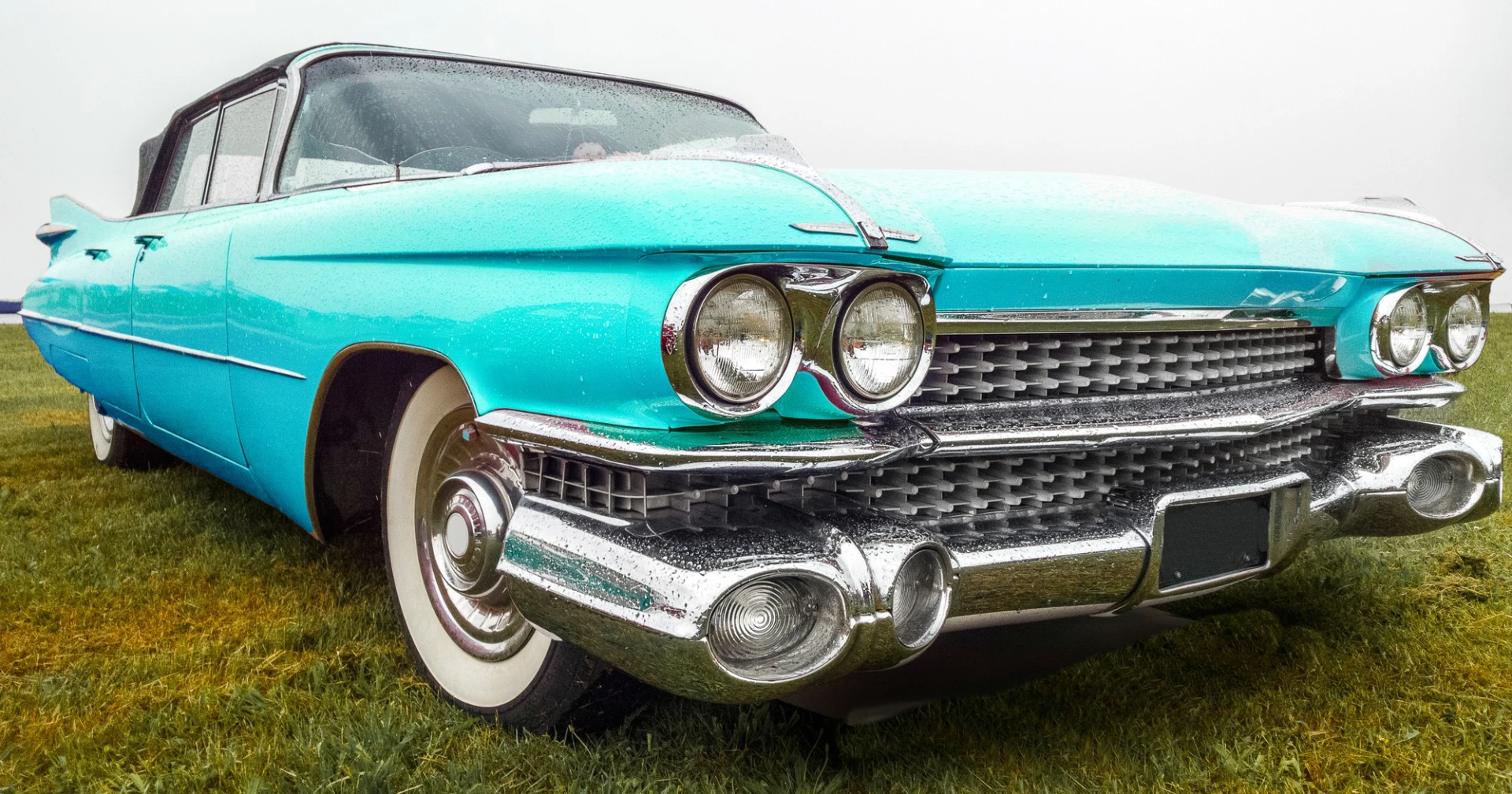
Restoring a classic car is more than just a project—it’s a passion. When it comes to iconic vehicles like the 1970 Cadillac, every detail matters. One of the most overlooked yet critical components in the restoration process is the 1970 Cadillac Fuel Tank. Without a properly functioning fuel system, even the most beautifully restored car won’t perform as it should.
In this comprehensive guide, we’ll walk you through a complete restoration checklist focused specifically on the fuel tank. Whether you're a seasoned restorer or just starting out, this guide will help you achieve both authenticity and performance.
Why the 1970 Cadillac Fuel Tank Matters
The 1970 Cadillac Fuel Tank plays a vital role in maintaining your vehicle’s reliability. Over time, original tanks are prone to rust, corrosion, leaks, and sediment buildup. These issues can lead to engine inefficiency, fuel contamination, and even safety hazards.
A properly restored or replaced fuel tank ensures:
- Smooth fuel delivery
- Improved engine performance
- Enhanced safety
- Long-term durability
That’s why sourcing parts from a trusted Antique Cadillac Parts Dealer is essential for maintaining originality and quality.
Step-by-Step Restoration Checklist
1. Initial Inspection of the Fuel Tank
Before diving into restoration, perform a thorough inspection of the existing tank.
Checklist:
- Look for rust (internal and external)
- Check for leaks or weak spots
- Inspect mounting brackets
- Examine fuel lines and connections
If the tank shows extensive corrosion, replacement is often more cost-effective than repair. A reputable Antique Cadillac Parts Dealer can provide authentic replacements that match original specifications.
2. Draining and Cleaning the Tank
If the tank is salvageable, cleaning is the next step.
Process:
- Drain all old fuel safely
- Remove sludge and debris
- Use a fuel tank cleaning solution
- Rinse thoroughly and dry completely
Cleaning helps remove contaminants that can damage your engine. A clean 1970 Cadillac Fuel Tank ensures proper fuel flow and prevents clogging.
3. Rust Removal and Treatment
Rust is the biggest enemy of vintage fuel tanks.
Methods:
- Chemical rust removers
- Electrolysis treatment
- Abrasive cleaning techniques
After removing rust, apply a protective coating or sealant inside the tank. Many Antique Cadillac Parts Dealer suppliers also offer pre-treated tanks to save time and effort.
4. Fuel Tank Sealing
Sealing the tank is crucial for long-term durability.
Benefits of sealing:
- Prevents future rust formation
- Stops minor leaks
- Extends lifespan
Use high-quality tank sealants designed for classic vehicles. If you're unsure, consult an Antique Cadillac Parts Dealer for product recommendations.
5. Inspect and Replace Fuel Lines
The fuel tank is only one part of the system. Old fuel lines can cause major issues.
Checklist:
- Replace cracked or brittle lines
- Ensure proper fittings
- Use ethanol-resistant hoses
Pairing a restored 1970 Cadillac Fuel Tank with new fuel lines ensures optimal performance.
6. Check the Fuel Sending Unit
The fuel sending unit measures fuel levels and communicates with your dashboard gauge.
Common issues:
- Faulty readings
- Corroded connectors
- Worn-out float mechanism
Replacing or refurbishing this component ensures accurate fuel level readings. Most Antique Cadillac Parts Dealer providers offer compatible sending units for classic Cadillacs.
7. Replace the Fuel Pump (If Needed)
An old fuel pump may not function efficiently with a restored tank.
Signs of failure:
- Engine sputtering
- Difficulty starting
- Loss of power
Upgrading the fuel pump ensures your 1970 Cadillac Fuel Tank delivers fuel smoothly to the engine.
8. Proper Installation of the Fuel Tank
Once restored or replaced, proper installation is key.
Installation tips:
- Use new mounting straps
- Ensure tight and secure fittings
- Check alignment carefully
Improper installation can lead to leaks or damage. Always follow manufacturer guidelines or consult an expert Antique Cadillac Parts Dealer for assistance.
9. Testing the Fuel System
After installation, test the system thoroughly.
Testing checklist:
- Check for leaks
- Start the engine and monitor performance
- Verify fuel gauge accuracy
A fully functional 1970 Cadillac Fuel Tank should provide consistent fuel delivery without any issues.
10. Preventive Maintenance Tips
Once your restoration is complete, regular maintenance is essential.
Maintenance tips:
- Use high-quality fuel
- Keep the tank at least half full to prevent condensation
- Inspect periodically for rust or leaks
Regular upkeep ensures your investment lasts for years to come.
Choosing the Right Parts Supplier
When restoring a classic vehicle, quality parts make all the difference. That’s where Caddy Daddy - Vintage and Antique Cadillac Parts Dealer stands out.
They specialize in authentic components designed specifically for classic Cadillacs, including the 1970 Cadillac Fuel Tank. Working with a reliable Antique Cadillac Parts Dealer ensures:
- Accurate fit and compatibility
- High-quality materials
- Preservation of originality
Using substandard parts can compromise your restoration, so always choose a trusted supplier.
Common Mistakes to Avoid
Even experienced restorers can make mistakes. Here are some pitfalls to watch out for:
- Skipping tank cleaning
- Ignoring rust inside the tank
- Using incompatible fuel lines
- Poor installation practices
- Buying low-quality replacement parts
Avoiding these mistakes ensures your 1970 Cadillac Fuel Tank performs efficiently and safely.
Cost Considerations
Restoring or replacing a fuel tank involves various costs:
Typical expenses:
- Cleaning and sealing kits
- Replacement tank
- Fuel lines and accessories
- Labor (if outsourced)
While it may seem expensive, investing in quality parts from an Antique Cadillac Parts Dealer saves money in the long run by preventing repeated repairs.
DIY vs Professional Restoration
DIY Restoration
Pros:
- Cost-effective
- Hands-on experience
Cons:
- Time-consuming
- Requires tools and expertise
Professional Restoration
Pros:
- High-quality results
- Saves time
Cons:
- Higher cost
If you’re unsure, consult a professional or seek guidance from an experienced Antique Cadillac Parts Dealer.
Why Authenticity Matters in Classic Cars
Classic car enthusiasts value originality. Using authentic parts maintains the car’s historical integrity and increases its resale value.
A genuine 1970 Cadillac Fuel Tank sourced from a trusted Antique Cadillac Parts Dealer ensures your restoration remains true to its roots.
Final Thoughts
Restoring a classic Cadillac is a rewarding journey, and the fuel tank plays a critical role in that process. By following this detailed checklist, you can ensure your 1970 Cadillac Fuel Tank is restored to perfection—both functionally and aesthetically.
From inspection and cleaning to installation and maintenance, every step contributes to the overall performance of your vehicle. Always prioritize quality parts and expert guidance from a reliable Antique Cadillac Parts Dealer.
For the best results, trust Caddy Daddy - Vintage and Antique Cadillac Parts Dealer, a name synonymous with quality and authenticity in the classic car restoration world.