
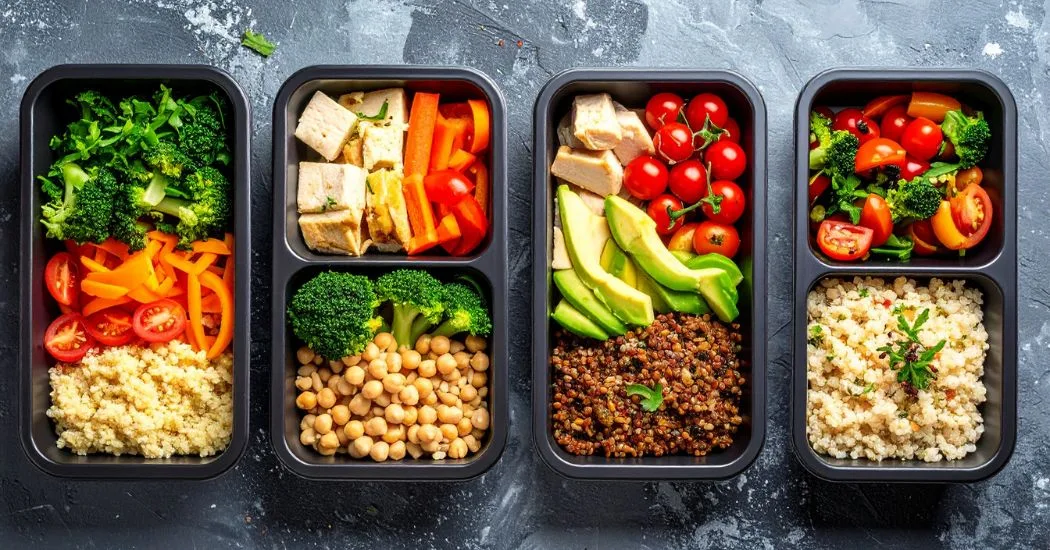
Starting a GLP-1 medication can change the way you eat. Many people notice they feel full much sooner, which naturally leads to smaller portions and fewer meals throughout the day. While this can help with weight loss, it also makes food quality more important than ever. Every bite should provide the nutrients your body needs to stay healthy and energized.
One of the biggest priorities during treatment is eating enough protein. Choosing high protein meals for GLP-1 users helps support muscle health, improves fullness, and provides lasting energy while losing weight. Since calorie intake often decreases on GLP-1 medications, protein becomes essential for maintaining lean body mass and supporting overall wellness.
Legacy Meds encourages patients to combine medically guided GLP-1 treatment with healthy nutrition habits that promote sustainable results. A balanced eating plan filled with protein-rich foods can make your weight loss journey more successful while helping you feel your best.
Why Is Protein Important for GLP-1 Users?
GLP-1 medications help reduce appetite by slowing digestion and increasing feelings of fullness. While this supports weight loss, eating less also means there is a greater chance of missing important nutrients if meals are not carefully planned.
Getting enough protein on GLP-1 helps preserve lean muscle during weight loss. Protein also supports recovery after exercise, strengthens the immune system, and helps you stay satisfied between meals.
Another important benefit is that protein requires more time to digest than many carbohydrates. This can help maintain steady energy levels throughout the day while reducing unnecessary snacking.
Legacy Meds recommends discussing your nutritional needs with a healthcare professional so your meal plan matches your individual health goals and treatment plan.
How Much Protein Do GLP-1 Users Need?
Protein needs vary based on age, activity level, current weight, and personal health conditions. There is no single amount that works for everyone, but many healthcare providers encourage higher protein intake during medically supervised weight loss to help preserve muscle.
Rather than focusing only on total daily protein, it is often helpful to include a quality protein source in every meal. This approach supports more consistent nutrition throughout the day and makes it easier to meet your daily needs despite eating smaller portions.
Planning meals around lean proteins, vegetables, healthy fats, and fiber creates balanced nutrition that complements GLP-1 treatment.
15 High-Protein Meals for GLP-1 Users
Finding satisfying meals becomes easier when protein is the center of every plate. These ideas provide balanced nutrition while supporting healthy weight management.
1. Grilled Chicken with Roasted Vegetables
Grilled chicken breast served with roasted broccoli, zucchini, and carrots creates a simple meal packed with protein, vitamins, and fiber.
2. Greek Yogurt Protein Bowl
Plain Greek yogurt topped with berries, chia seeds, and a handful of chopped almonds makes an excellent breakfast or snack that supports fullness.
3. Baked Salmon with Asparagus
Salmon provides high-quality protein along with heart-healthy omega-3 fats. Pair it with roasted asparagus and a small serving of quinoa for a balanced dinner.
4. Turkey Lettuce Wraps
Lean ground turkey cooked with vegetables and wrapped in crisp lettuce leaves offers a lighter alternative to traditional sandwiches while providing plenty of protein.
5. Cottage Cheese and Fresh Fruit
Cottage cheese paired with strawberries, blueberries, or peaches delivers a satisfying combination of protein and natural sweetness.
6. Egg and Spinach Omelet
Eggs provide complete protein and work well with spinach, mushrooms, tomatoes, and low-fat cheese for a filling breakfast.
7. Shrimp and Brown Rice Bowl
Grilled shrimp served with brown rice and steamed vegetables creates a nutrient-rich meal that supports steady energy throughout the day.
8. Chicken Salad with Mixed Greens
A fresh salad topped with grilled chicken, cucumber, tomatoes, avocado, and olive oil dressing offers protein without feeling heavy.
9. Lean Beef Stir-Fry
Lean beef cooked with colorful vegetables and served over cauliflower rice provides protein while keeping portions manageable.
10. Tuna Salad Stuffed Peppers
Mix tuna with plain Greek yogurt instead of mayonnaise and fill fresh bell peppers for a refreshing lunch option.
11. Turkey Meatballs with Zucchini Noodles
Turkey meatballs served over zucchini noodles and tomato sauce create a comforting meal with fewer refined carbohydrates.
12. Tofu and Vegetable Stir-Fry
For plant-based eaters, tofu provides a valuable protein source that pairs well with broccoli, peppers, mushrooms, and snap peas.
13. Grilled Chicken Burrito Bowl
Combine grilled chicken, black beans, lettuce, tomatoes, avocado, and a small portion of brown rice for a balanced meal.
14. Baked Cod with Green Beans
Cod is a lean source of protein that works well alongside roasted green beans and mashed cauliflower.
15. Protein Smoothie
Blend unsweetened milk, Greek yogurt, protein powder, spinach, and frozen berries to create a convenient meal when your appetite is lower.
What Are the Best Muscle Sparing Meals During Weight Loss?
One concern during weight loss is losing muscle along with body fat. Choosing muscle sparing meals helps reduce this risk by providing adequate protein throughout the day.
Meals that combine lean protein, vegetables, healthy fats, and complex carbohydrates support muscle maintenance while promoting gradual fat loss. Strength training and regular physical activity can further help preserve lean body mass during treatment.
Rather than skipping meals because you feel less hungry, try eating smaller protein-rich portions at regular intervals. This approach helps your body receive the nutrients it needs even when your appetite is reduced.
Legacy Meds encourages patients to combine healthy nutrition with regular movement as part of a complete weight management plan.
Can GLP-1 Users Enjoy Easy High-Protein Recipes?
Healthy eating does not have to involve complicated cooking. Many simple recipes can be prepared in less than 30 minutes using everyday ingredients.
Batch cooking grilled chicken, boiled eggs, roasted vegetables, or cooked quinoa at the beginning of the week makes meal preparation much easier. Keeping Greek yogurt, cottage cheese, canned tuna, frozen vegetables, and pre-cooked proteins available can also help you make healthy choices when time is limited.
Preparing meals in advance reduces the temptation to rely on processed convenience foods and helps you stay consistent with your nutrition goals.
What Foods Should GLP-1 Users Limit?
Although GLP-1 medications allow flexibility, some foods may be harder to tolerate because digestion slows during treatment.
Highly processed foods, fried meals, sugary snacks, and large portions may contribute to digestive discomfort for some individuals. Eating slowly, choosing balanced meals, and stopping when comfortably full often improves the eating experience.
Paying attention to your body's hunger and fullness signals can help you identify foods that work best for you throughout treatment.
How Can Legacy Meds Support Your Nutrition and Weight Loss Goals?
Successful weight management involves more than medication alone. Legacy Meds supports patients by helping them understand how healthy nutrition, physical activity, and medically guided treatment work together.
Healthcare providers evaluate each patient's health history and goals before recommending treatment. Ongoing guidance helps patients make informed decisions about nutrition, progress, and lifestyle habits throughout their journey.
Legacy Meds encourages sustainable changes rather than restrictive dieting. Building balanced eating habits alongside GLP-1 treatment creates a stronger foundation for long-term success.
Whether you are beginning treatment or looking to improve your nutrition, Legacy Meds provides resources and professional support to help you stay focused on lasting health improvements.
Frequently Asked Questions
Why are high protein meals important for GLP-1 users?
High-protein meals help support muscle maintenance, improve fullness, and provide important nutrients while calorie intake is reduced during GLP-1 treatment.
How much protein on GLP-1 should I eat each day?
Protein needs vary depending on age, body size, activity level, and health conditions. Your healthcare provider or registered dietitian can recommend an appropriate daily target.
What are muscle sparing meals?
Muscle sparing meals are balanced meals that emphasize quality protein while providing enough nutrients to help preserve lean muscle during weight loss.
Can I follow these recipes if I have a small appetite?
Yes. Many of these meals can be served in smaller portions while still providing high-quality protein and balanced nutrition.
Do I still need exercise while taking GLP-1 medication?
Yes. Regular physical activity, especially strength training, complements a protein-rich diet and supports healthy weight management and muscle preservation.
Final Thoughts
Choosing high protein meals for GLP-1 users is one of the most effective ways to support healthy weight loss while maintaining lean muscle. Focusing on adequate protein on GLP-1, preparing muscle sparing meals, and using simple, nutritious recipes can make it easier to meet your nutritional needs even when your appetite decreases.
Legacy Meds believes that successful weight management comes from combining medically guided treatment with healthy daily habits. By making protein a priority and choosing balanced meals, you can support your long-term health while getting the most from your GLP-1 weight loss journey.