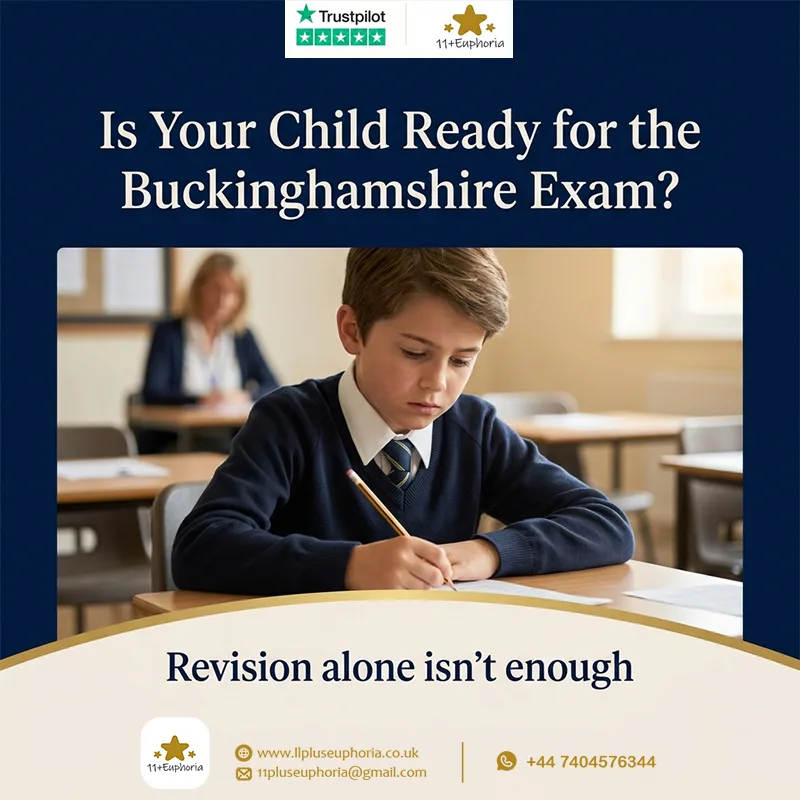
Preparing for grammar school entrance exams requires more than simply reading textbooks and completing worksheets. Students need structured practice that reflects the pressure, timing, and format of the actual examination. This is where 11 plus mock tests play a significant role. Mock examinations provide valuable insight into a child's strengths and areas that need improvement while helping families understand how their child performs under exam conditions.
Many parents preparing their children for grammar school admissions focus on the 11 plus verbal reasoning syllabus, as verbal reasoning remains a major component in numerous entrance assessments. Alongside this, access to a QE mock test online and participation in a SW Hertfordshire mock test can provide targeted preparation that mirrors real examination expectations.
A structured preparation plan supported by realistic mock tests helps students become familiar with question styles, improve time management skills, and gain confidence before the actual exam day.
Why 11 Plus Mock Tests Matter
The journey towards grammar school admission can be challenging for students and parents alike. While classroom learning establishes academic foundations, mock tests provide a practical environment where children can apply their knowledge.
One of the biggest advantages of 11 plus mock tests is the opportunity to experience exam conditions before the actual assessment. Students become accustomed to sitting for extended periods, following strict timings, and working through questions independently.
Mock tests also help identify:
- Areas requiring additional practice
- Time management challenges
- Exam anxiety triggers
- Question types causing difficulty
- Performance trends over time
Regular assessment allows parents and tutors to adjust study plans according to a child's specific needs, creating a more focused approach to preparation.
Understanding the 11 Plus Examination Structure
Different grammar schools and consortiums use varying examination formats. However, many assessments include a combination of:
Verbal Reasoning
Verbal reasoning evaluates a student's ability to understand and manipulate language-based information. This section measures logical thinking, vocabulary, comprehension, and problem-solving skills.
Non-Verbal Reasoning
Students solve visual puzzles, identify patterns, and interpret shapes. This section assesses analytical thinking without relying heavily on language skills.
Mathematics
Mathematics questions test numerical ability, arithmetic operations, problem-solving, and mathematical reasoning.
English
English assessments may include reading comprehension, grammar, punctuation, spelling, and writing tasks.
Because examination formats vary between regions and schools, participating in region-specific mock tests can provide a significant advantage.
The Importance of the 11 Plus Verbal Reasoning Syllabus
The 11 plus verbal reasoning syllabus forms a major part of preparation for many grammar school entrance exams. Verbal reasoning tests challenge students to think critically while working with words, letters, and language patterns.
Students commonly encounter questions involving:
Vocabulary Development
A strong vocabulary helps children understand question instructions and answer more complex verbal reasoning tasks accurately.
Synonyms and Antonyms
Students must identify words with similar or opposite meanings, requiring broad language knowledge and contextual understanding.
Letter Sequences
Questions involving letter patterns test logical thinking and pattern recognition.
Word Relationships
Children analyse relationships between words and determine logical connections.
Code Breaking
These questions require students to identify hidden rules and apply them to solve problems.
Logical Deduction
Students evaluate information and make reasoned conclusions based on provided evidence.
A thorough understanding of the 11 plus verbal reasoning syllabus allows students to approach examinations with greater confidence and accuracy.
How Mock Tests Improve Exam Performance
Students often know the material but struggle to demonstrate their abilities under pressure. Mock tests help bridge this gap.
Familiarity with Exam Conditions
Repeated exposure to timed assessments helps students feel comfortable during real examinations.
Improved Concentration
Sitting through a full-length paper requires stamina. Regular practice develops concentration and mental endurance.
Better Time Management
Many students lose marks because they spend too much time on difficult questions. Mock tests teach pacing strategies that maximize scores.
Increased Confidence
Confidence grows when students see measurable improvement over time. Positive experiences in mock examinations can reduce exam-day anxiety.
Performance Tracking
Parents and tutors can monitor progress and identify trends across multiple assessments.
These benefits make 11 plus mock tests an essential part of any successful preparation strategy.
Benefits of Taking a QE Mock Test Online
The popularity of online learning has made digital preparation tools more accessible than ever. A QE mock test online offers students the flexibility to practice from home while experiencing exam-style questions.
Convenient Access
Students can complete assessments without travelling to testing centres, making preparation easier for busy families.
Immediate Feedback
Many online platforms provide quick scoring and performance reports that highlight strengths and weaknesses.
Flexible Scheduling
Parents can fit mock tests around school commitments, extracurricular activities, and family schedules.
Realistic Question Formats
Quality online mock tests replicate the style and difficulty level expected in actual entrance examinations.
Repeated Practice Opportunities
Students can complete multiple assessments throughout their preparation period, helping them refine skills progressively.
A QE mock test online can become a valuable part of a balanced study plan when used alongside traditional learning resources and tutor support.
Preparing for a SW Hertfordshire Mock Test
For families targeting grammar schools within the South West Hertfordshire area, participation in a SW Hertfordshire mock test can provide region-specific preparation.
These mock examinations often reflect the structure, style, and difficulty level associated with local admissions assessments.
Understanding Local Exam Expectations
Students become familiar with question types that are commonly encountered in regional entrance exams.
Building Confidence
Children gain valuable experience sitting examinations that closely resemble their target assessments.
Identifying Areas for Improvement
Performance analysis helps determine which subjects require additional attention before official testing dates.
Comparing Progress
Mock test results provide useful benchmarks that allow students and parents to measure improvement throughout the preparation process.
Completing a SW Hertfordshire mock test can offer meaningful insights that help students approach the actual examination with greater readiness.
Creating an Effective Study Plan
Mock tests are most beneficial when incorporated into a structured study schedule.
Begin Early
Starting preparation several months before examination dates allows students to build knowledge gradually without excessive pressure.
Schedule Regular Mock Tests
Monthly or bi-weekly assessments provide opportunities to monitor progress consistently.
Review Mistakes Carefully
Every incorrect answer offers a learning opportunity. Students should understand why errors occurred and how to avoid them in future assessments.
Strengthen Weak Areas
Use mock test results to focus revision on topics requiring improvement.
Maintain Balance
Adequate rest, physical activity, and leisure time contribute to better learning outcomes and overall wellbeing.
A balanced preparation strategy helps students stay motivated while steadily improving performance.
Supporting Children Through the Preparation Process
Parental support can significantly influence a child's experience during exam preparation.
Encourage Consistency
Regular study habits often produce better results than last-minute cramming.
Celebrate Progress
Recognising improvements helps maintain motivation and confidence.
Avoid Excessive Pressure
Children perform better when they feel supported rather than overwhelmed.
Focus on Learning
Preparation should emphasize skill development and personal growth rather than solely focusing on scores.
Promote Positive Mindsets
Students who view challenges as opportunities to improve are often more resilient during preparation.
Supportive environments help children approach examinations with confidence and determination.
Common Challenges Faced by Students
Many students encounter similar difficulties while preparing for grammar school entrance exams.
Exam Anxiety
Nervousness can affect concentration and performance. Mock tests help reduce anxiety by creating familiarity with exam conditions.
Time Pressure
Some students struggle to complete papers within allocated time limits. Timed practice sessions can improve pacing.
Vocabulary Gaps
Verbal reasoning sections often require strong vocabulary knowledge. Regular reading supports language development.
Inconsistent Performance
Fluctuating scores may indicate gaps in understanding or confidence issues. Detailed analysis of results can help address these concerns.
Difficulty Maintaining Focus
Long examinations require concentration and endurance. Regular mock testing helps build these essential skills.
Understanding these challenges allows parents and educators to provide targeted support.
Using Mock Test Results Effectively
Completing a mock test is only the first step. The greatest value comes from analysing the results thoroughly.
Students should review:
- Incorrect answers
- Questions left unanswered
- Time spent on each section
- Patterns in mistakes
- Areas showing improvement
Detailed review sessions transform mock tests from simple assessments into powerful learning tools.
This approach ensures that every examination contributes to measurable academic growth.
Long-Term Benefits Beyond Entrance Exams
The skills developed through 11 plus mock tests extend beyond grammar school admissions.
Students gain:
Independent Learning Skills
They become more responsible for managing their study schedules and preparation.
Critical Thinking Abilities
Verbal and non-verbal reasoning questions strengthen analytical thinking.
Confidence Under Pressure
Experience handling timed assessments prepares students for future academic challenges.
Organisational Skills
Regular revision and testing encourage structured study habits.
Academic Resilience
Students learn how to respond constructively to setbacks and improve through practice.
These advantages continue to benefit children throughout their educational journeys.
Conclusion
Success in grammar school entrance examinations depends on preparation, practice, and confidence. 11 plus mock tests provide students with valuable opportunities to experience realistic exam conditions while identifying areas for improvement. A strong understanding of the 11 plus verbal reasoning syllabus helps children tackle challenging language-based questions with greater accuracy.
Combining structured study with a QE mock test online allows students to practice flexibly while receiving useful performance feedback. Participation in a SW Hertfordshire mock test further enhances preparation by providing experience aligned with regional examination expectations.