
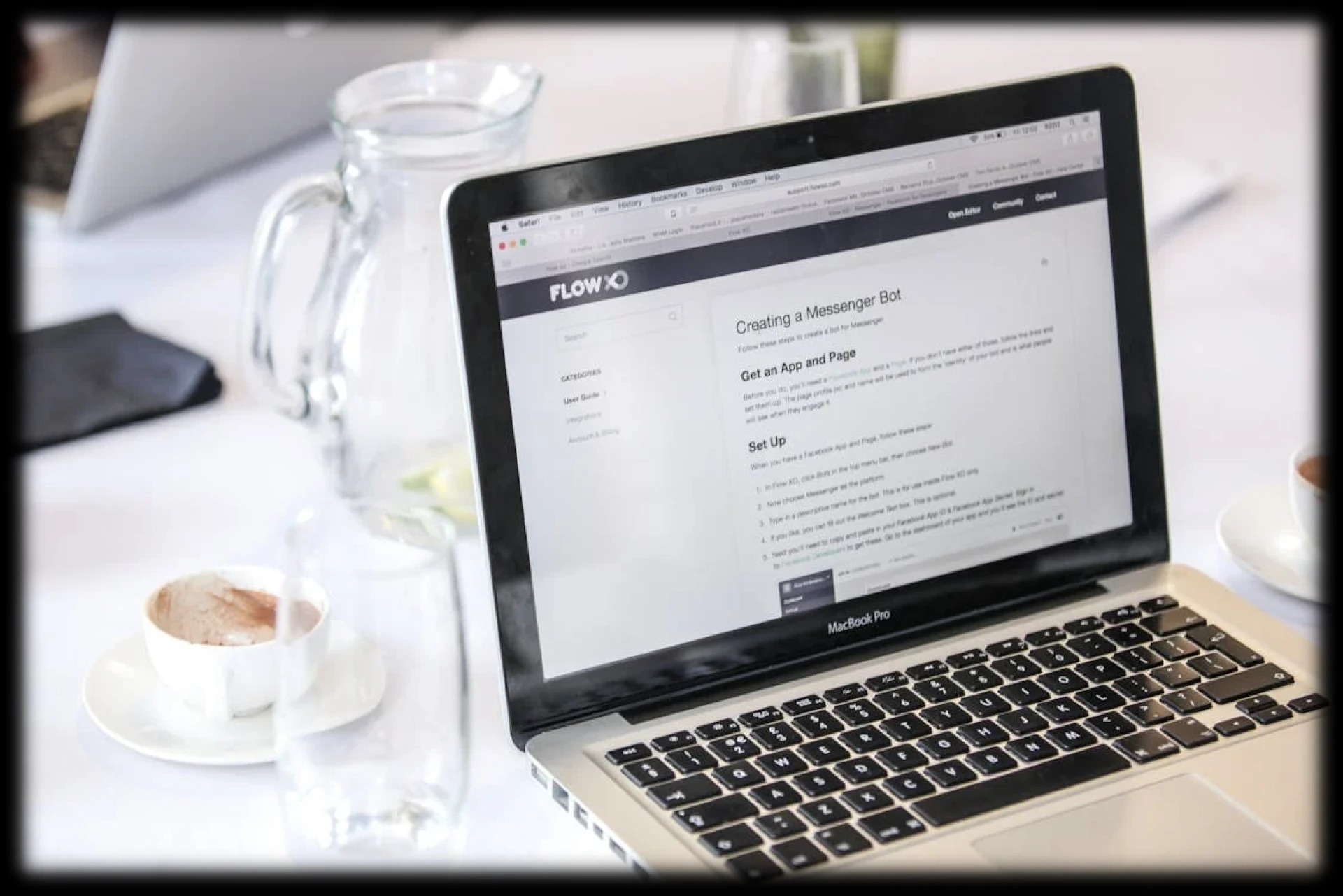
Grabbing attention online requires more than catchy headlines. With readers scrolling quickly, they expect instant information at the click of a button. Clear benefits and engaging language encourage users to stay longer and explore further.
However, even well-designed pages can fall short without purposeful, engaging content, which depends on structure, tone, and a deep understanding of your audience’s needs.
That’s where a professional web copywriting service comes into play. A web copywriting service can help you craft persuasive content that reflects your brand’s values while driving action. Here, we share ten practical tips for writing engaging web copy that grabs your audience’s attention, builds engagement, and drives conversions.
1. Know Exactly Who Your Audience Is
Successful copy starts with a clear understanding of the target reader. Every audience segment has specific needs and pain points that influence decision-making. For example, busy professionals often prioritize time-saving solutions and clear pricing.
Researching customer behavior can help create tailored, relevant content that caters to your audience’s preferences. Furthermore, audience personas help shape the tone, structure, and language, making the message sharper and more precise.
Clear, specific messaging helps build trust by showing awareness of the audience’s concerns and daily challenges. When visitors feel understood, engagement rises and hesitation drops.
The overall results and conversion rate are improved when the content and user needs are consistently aligned. In the end, understanding the target audience allows website copywriting services to create compelling content that drives the desired action.
2. Craft Attention-Grabbing Headings
Every word on a web page influences visitors: either keeping them engaged or prompting them to leave. For example, a title like “Boost Sales with Proven Strategies” is more powerful than “Some Ways to Improve Sales.”
Using concise language highlights key features, while strong verbs like "increase," "discover," or "transform" excite readers and grab their attention quickly.
Additionally, relevance must be clear so that readers can understand the message and feel interested. Headings that include figures or specific results are more appealing and credible than generic titles. Strong headings not only capture audience’s attention but also enhance interaction and the likelihood of meaningful conversions. Adding keywords to headings attracts targeted traffic and improves SEO visibility.
Ultimately, a well-crafted heading is the key to an effective and persuasive user experience.
3. Use Simple Language
Complex language can confuse readers and cause them to lose interest, while simple language communicates ideas clearly and highlights key benefits.
For example, instead of saying, "Expedite logistical processes with optimized distribution," it’s more effective to say, "Save time with fast delivery."
Each phrase must show how the product or service adds value to the visitor’s daily life or addresses their problems. Focusing on outcomes builds trust, strengthens emotional connections, and helps visitors picture success.
Using a conversational tone is a great way to make content more engaging and accessible. Clear, value-driven language minimizes cognitive load and keeps readers’ attention, while benefits like “save money” or “get results fast” are more relatable than dry tech specs. These techniques help convert casual browsers into confident buyers.
4. Write with an Audience-Focused, Conversational Tone
Conversational writing makes readers feel welcomed, mirroring the speech patterns that people use in everyday interactions. It makes the user experience more personal, intuitive, and engaging.
For example, a heading like "Let us discuss your best options together" is more inviting than "Options will be presented."
Using relatable examples helps remove readers’ doubts about products or services by making difficult concepts easier to understand. Avoiding excessively formal expressions keeps the flow natural and easy to follow. Every sentence should anticipate potential readers’ queries and provide answers within the text. Maintaining an audience-focused tone conveys respect and an understanding of actual needs.
Using familiar language builds audience trust and engagement from the very beginning. As a result, readers remain interested and are more willing to explore additional information on the page.
Last but not least, engaging tone creates smooth transitions that guide visitors toward the main goal of the copy.
5. Add Powerful Calls-To-Action That Motivate Action
Strong action words lead the reader to a specific course of action. Action verbs, such as download, start, or discover, are highly relevant in this regard.
In other words, phrases like "Start your free trial today" eliminate guesswork and encourage readers to take swift action.
Effectiveness also depends on placement in the sense that the CTA should follow the description of tangible benefits. Virtual emphasis matters as well, such as using contrasting buttons that attract the eye and invite clicks.
Each and every word in a web copy should be in line with the user's intent and deliver real value quickly. Phrases like "Find your perfect solution now" convey a sense of urgency and relevance.
Over time, testing reveals which calls-to-action resonate most with the audience. For web copywriters, strong CTAs are essential for converting interest into measurable outcomes. After all, a compelling CTA is the final nudge that turns curiosity into commitment.
6. Leverage Social Proof with Testimonials and Reviews
A brand’s credibility grows through positive reviews from past clients. When readers see successful real-life stories that fit their situation or needs, they feel reassured. For example, a testimonial that says: “This platform doubled our leads within two months” demonstrates proven outcomes.
Specific details in customer reviews strengthen believability and make benefits more tangible. Showcasing diverse customer experiences shows reliability across different industries or needs.
A brand’s authority is further enhanced by including well-known company names. Fresh reviews also keep the content relevant and demonstrate consistency in quality.
Moreover, placing social proof near a call-to-action builds trust before a user takes action. Authentic testimonials encourage doubtful visitors to take action and trust the solution offered.
Another source of credibility and impact in writing copy for websites is verified ratings by trusted platforms. These are added by professional writers that provide copy writing service to clients.
7. Create Subheadings for Easy Scanning
Readers tend to scan web pages before deciding where to settle. Distinct subheadings break content into smaller, digestible chunks, making navigation easier. An example of such a subheading is: "Quick Benefits of Our Service" which indicates what’s coming next and sets readers’ expectations.
Subheadings help simplify complex information. They should be concise and value-driven. By grouping related information together, subheadings reduce cognitive load and maintain focus.
Also, white space around lists provides visual relief to the eyes and improves comprehension. Visitors respond positively to organized layouts, clear structure, and easy-to-read content.
Immediate access to key information keeps engagement high and encourages exploration of deeper content. Therefore, web copywriters use subheadings to enhance clarity and increase time spent on the page.
8. Highlight the Main Information Early to Capture Attention
Important information should appear near the beginning of each section. Immediate visibility ensures that users see the value before losing interest.
Use supporting sentences to explain how streamlined processes lead to benefits. Clear value propositions spark curiosity and encourage readers to explore further.
People tend to respond better when they see benefits within the first few lines of a web page. Placing key benefits prominently increases engagement and boosts conversion potential.
Using concise language ensures no unnecessary distractions pull visitors’ attention away. Gradually elaborating each point ensures information stays relevant and easy to follow.
9. Apply SEO Best Practices to Enhance Visibility
Search engine optimization helps relevant users find the right content quickly. Strategically placing keywords improves ranking and aligns the main message with user intent.
However, keywords should feel natural and not break the flow of the writing. Adding internal links helps direct users to related pages, improving navigation and overall site efficiency. Regular analysis of keyword performance identifies areas that could be improved and made more visible.
By following SEO best practices, content reaches a broader audience, attracts traffic, and significantly increases conversion potential.
10. Regularly Test and Refine Your Copy for Better Performance
Successful copy needs continual review since user preferences are always changing. Testing on a regular basis helps determine what messages will be more appealing to a particular audience segment.
For example, a call-to-action like “Get Started Now” could produce better results than “Learn More Today.” Comparing these two options reveals user behavior and indicates minor adjustments that can make the web copy more engaging.
Then, based on the test results, each component of the message can be refined to be more convincing and relevant. Even minor wording changes can boost click-through rates and conversions.
Performance indicators like bounce rate and average time on page indicate where improvements are needed. Careful analysis identifies points where readers may become bored or confused. Addressing these weaknesses keeps the message clear and reinforces its overall value.