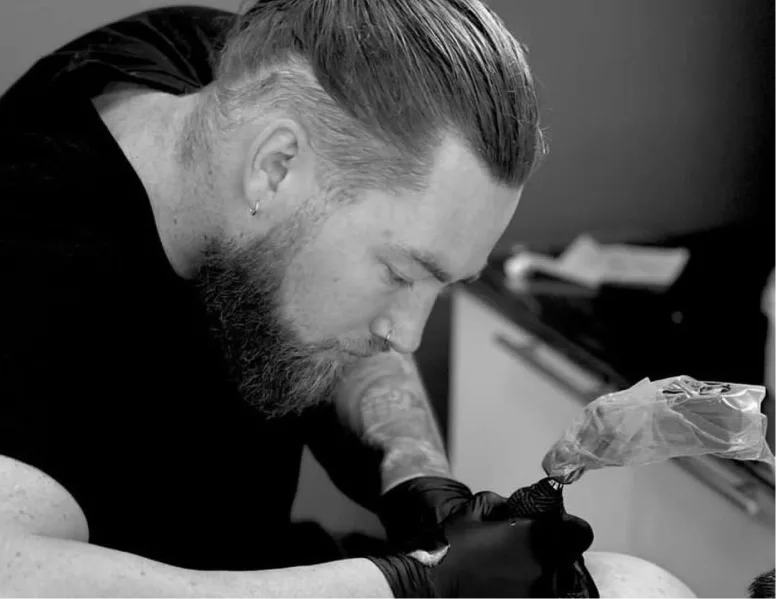
Choosing a tattoo is a personal decision. Whether you are getting your first tattoo, adding to an existing collection, or looking for a meaningful custom design, the tattoo studio you choose can have a major impact on your overall experience. With many studios and artists available, finding the best tattoo place in Adelaide requires more than simply choosing a studio based on appearance or price.
A professional tattoo studio should provide skilled artistry, strong hygiene practices, clear communication, and a comfortable environment. Before booking your appointment, take time to research your options and make sure the studio matches your design preferences and expectations.
Here are ten important things to look for when choosing a tattoo studio in Adelaide.
1. Experienced and Skilled Tattoo Artists
The artist's experience is one of the most important factors to consider. Tattooing requires technical skill, creativity, precision, and an understanding of how designs work with different areas of the body.
Look at an artist's portfolio to see their previous work. Pay attention to line quality, shading, colour application, composition, and consistency. If you want a particular style, such as realism, fine line, traditional, blackwork, or illustrative tattoos, look for an artist who regularly works in that style.
A strong portfolio can give you a better idea of whether the artist's skills match your expectations.
2. Strong Hygiene and Safety Practices
Hygiene should always be a priority when selecting a tattoo studio. Professional tattooing involves equipment that comes into contact with the skin, so proper sanitation and safe working practices are essential.
When visiting a studio, look for a clean and organised workspace. Professional artists should follow appropriate hygiene procedures, use sterile equipment where required, and use fresh, single-use items whenever appropriate.
Do not hesitate to ask the artist about their hygiene and sterilisation procedures. A reputable studio should be comfortable answering reasonable questions about safety.
3. A Portfolio That Matches Your Style
Every tattoo artist has their own strengths and artistic approach. One artist may specialise in realistic portraits, while another may focus on minimalist, geometric, traditional, or colourful designs.
Before choosing a studio, review portfolios carefully. Don't just look at one or two photographs. Look for consistency across multiple tattoos.
If you have a specific design in mind, finding an artist with experience in that particular style can help you communicate your idea more effectively and achieve a result that suits your expectations.
4. Clear Consultation Process
A good tattoo experience starts with communication. A professional consultation gives you an opportunity to explain your concept, discuss placement, explore design options, and ask questions.
During the consultation, the artist should listen to your ideas while also providing professional input. They may suggest adjustments based on the size, placement, detail, or natural shape of the body area.
Clear communication before the tattoo can reduce misunderstandings and help ensure that both you and the artist understand the planned design.
5. Custom Design Options
If you want something personal and unique, check whether the studio offers custom tattoo designs. Custom work allows an artist to develop an idea specifically for you rather than simply reproducing a standard design.
Bring reference images, sketches, photographs, or written ideas to your consultation if they help explain what you want. The artist can then use these references as inspiration while developing a design suitable for tattooing.
Remember that a reference image is useful for communicating an idea, but creating an original design can give your tattoo a more personal character.
6. Positive Reviews and Reputation
Online reviews can provide useful insights into other customers' experiences. When researching tattoo studios in Adelaide, read reviews across multiple platforms rather than relying on a single testimonial.
Look for recurring comments about communication, professionalism, cleanliness, customer service, artistic quality, and overall experience.
Reviews should be treated as one part of your research rather than the only deciding factor. A studio's portfolio, consultation process, hygiene standards, and artist experience are equally important.
7. Transparent Pricing
Price is naturally an important consideration, but the cheapest option is not necessarily the right choice for a permanent tattoo.
Professional studios may calculate prices based on factors such as design complexity, size, placement, estimated working time, and the artist's experience. Ask about pricing before booking and clarify whether a consultation or deposit is required.
A reputable studio should provide clear information about its pricing structure and any applicable booking requirements. Understanding the cost beforehand can help you plan your tattoo without unexpected surprises.
8. Comfortable and Professional Environment
You may spend several hours at a tattoo studio, especially for larger or more detailed work. Therefore, the environment can make a significant difference to your experience.
When visiting a studio, consider whether the space feels clean, organised, professional, and comfortable. The staff should communicate respectfully and make you feel comfortable asking questions.
A professional environment can help reduce unnecessary stress, particularly if it is your first tattoo.
9. Good Communication and Customer Service
From your first enquiry to your aftercare questions, communication matters. A professional tattoo studio should respond clearly and provide useful information about the booking process, preparation, tattoo session, and aftercare.
Pay attention to how your questions are handled. You should feel comfortable discussing your concerns and expectations with the artist.
Good communication is especially important for custom tattoos, cover-ups, large projects, and designs involving multiple sessions.
10. Proper Aftercare Guidance
Getting the tattoo is only one part of the process. Proper aftercare is important while your new tattoo heals.
A professional tattoo artist should provide clear aftercare instructions appropriate to your tattoo and the products or methods they recommend. These instructions may cover cleaning, moisturising, protecting the tattoo, and avoiding activities that could interfere with healing.
If you experience unusual symptoms during healing, seek appropriate medical advice rather than relying solely on general tattoo aftercare information.
How to Choose the Right Tattoo Studio for You
After considering these ten factors, create a shortlist of studios that appear suitable for your needs. Compare their artists, portfolios, hygiene standards, reviews, consultation process, pricing information, and customer service.
Most importantly, choose an artist whose portfolio demonstrates experience with the style you want. A great tattoo starts with a good match between your idea and the artist's skills.
For example, someone looking for a detailed portrait may need a different specialist from someone wanting a simple fine-line design. Likewise, cover-up tattoos often require an artist with specific experience in working with existing ink, colour density, and design placement.
Final Thoughts
Finding the best tattoo place in Adelaide is about more than finding a studio with attractive designs. You should consider artistic ability, hygiene, communication, custom design capabilities, reputation, pricing transparency, comfort, and aftercare support.
Take your time, research different artists, review portfolios, and arrange a consultation before committing to your tattoo. Since a tattoo is intended to be a long-term form of body art, choosing a professional studio and an artist whose style matches your vision is an important part of the process.
With careful research and clear communication, you can approach your tattoo appointment with greater confidence and enjoy a professional experience from consultation through aftercare.