Most skin treatments work by adding something to your face or removing something. Injectables add volume. Peels and lasers remove damaged surface layers. Microneedling does neither, and that distinction is the entire reason it belongs in a different category.
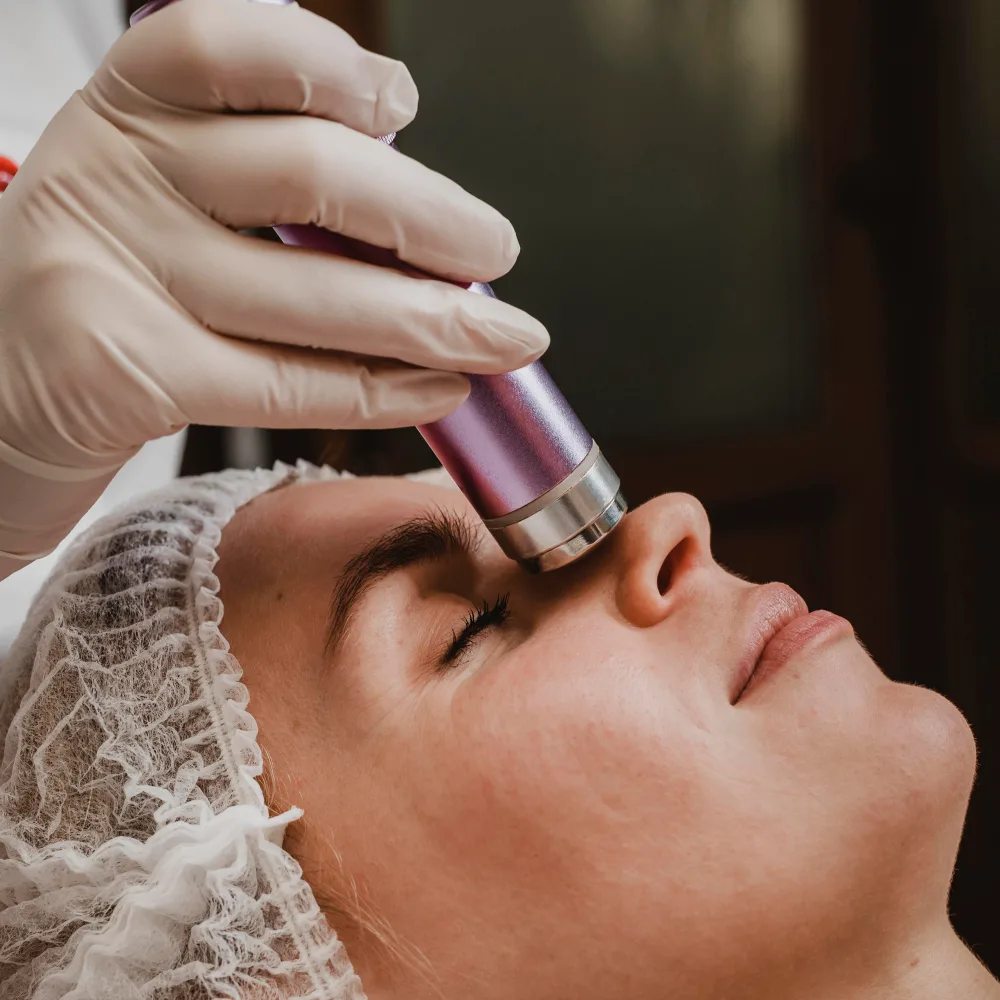
Microneedling, also called collagen induction therapy, uses very fine needles to create controlled micro-injuries in the skin. Those tiny channels trigger your body’s own wound-healing response, which in turn ramps up the production of collagen and elastin. Nothing foreign is deposited, and no tissue is stripped away. The improvement comes from proteins your own skin manufactures, which is why the results tend to build gradually and look like better skin rather than treated skin.
SkinPen by Bellus Medical was the first microneedling device to receive FDA clearance, and it remains one of the most widely used professional systems. Many providers also offer the treatment combined with platelet-rich plasma. Below are ten concerns this approach is commonly used to address.
1. Acne Scarring
Depressed acne scars form when the healing process after a breakout fails to rebuild enough collagen, leaving a small dip in the skin. Microneedling works on precisely that mechanism, prompting new collagen to fill in from underneath. Rolling and boxcar scars generally respond best, and improvement accumulates across a series of sessions rather than appearing after one.
2. Fine Lines and Wrinkles
Collagen production begins declining steadily from around age thirty, and lines are the visible result. Because this treatment stimulates both collagen and elastin, it addresses the underlying structural loss rather than temporarily relaxing or filling the line. It works particularly well on the fine, crepey lines that injectables are not designed to treat.
3. Enlarged Pores
Pores look larger when the collagen surrounding them weakens, and the pore wall loses its support. Rebuilding that structural framework tightens the tissue around each pore, which visibly reduces its apparent size. This is one of the more commonly reported improvements among patients.
4. Uneven Skin Texture
Skin that feels rough, bumpy, or inconsistent under your fingertips usually reflects irregular collagen distribution rather than surface debris. As the healing response remodels the skin, texture becomes smoother and more uniform, and makeup tends to sit better as a result.
5. Thin Skin Density
Skin that has become thin and fragile, where fine veins show through, and the surface feels papery, is a genuine structural concern rather than a cosmetic one. Building collagen increases skin density over time, which improves both resilience and appearance. This benefit is easy to overlook because it is felt as much as it is seen.
6. Loss of Firmness and Early Laxity
Mild sagging along the jawline, cheeks, and under the eyes responds to increased collagen and elastin. This is not a replacement for surgical lifting, and it is important to be realistic about that. For early laxity, though, a course of treatments can meaningfully improve firmness and tone.
7. Sun Damage
Years of ultraviolet exposure break down the collagen scaffolding beneath the surface, which is why sun-damaged skin looks weathered rather than simply tanned. Stimulating the repair process helps rebuild that scaffolding and softens the accumulated look of photoaging.
8. Hyperpigmentation and Uneven Tone
Dark patches and blotchy tone often improve as accelerated cell turnover brings fresher skin to the surface. Because microneedling is mechanical rather than light-based, it is frequently considered for pigmentation concerns where heat-based devices carry more risk, though pigment always warrants a careful professional assessment first.
9. Scars and Stretch Marks Beyond the Face
Surgical scars, injury scars, and stretch marks are all collagen problems at their core, and they respond to the same remodeling principle. Treatment is not limited to the face, and these areas typically require more patience and more sessions than facial skin.
10. Aging on the Neck and Décolleté
The neck and chest age visibly and are chronically undertreated, leaving an obvious mismatch between a well-maintained face and the skin below it. These areas are thinner and more delicate, but they respond well when treated by an experienced provider, and adding platelet-rich plasma is a common approach here.
Why Microneedling Suits Skin That Other Treatments Cannot Reach
One of the most practical advantages is that the mechanism is physical rather than thermal or chemical. Light-based devices target pigment, which historically limited their safe use on deeper skin tones. Microneedling does not rely on pigment at all, so it can generally be performed safely across the full range of skin tones when handled by a trained provider.
Adding platelet-rich plasma takes this further. A small amount of your blood is drawn and spun in a centrifuge to concentrate the platelets and growth factors, and the resulting plasma is applied during treatment. The micro-channels allow it to absorb, amplifying your skin’s regenerative response. This is why SkinPen microneedling with PRP is often recommended for patients wanting faster, more pronounced results from the same number of sessions.
What to Expect
Downtime is limited. Most people experience redness resembling a mild sunburn for 1 to 3 days, with makeup typically avoided on the first day. Initial results usually appear one to two weeks after treatment and continue improving for months as collagen remodels.
A course of treatments is standard, with sessions spaced several weeks apart. The exact number varies considerably depending on the concern being treated, so a provider should set your protocol after assessing your skin rather than applying a fixed package.
If any of these ten concerns sound familiar, the useful next step is a professional skin assessment. Microneedling is not right for everyone or for every concern, and knowing that before you book is worth more than any treatment promise.