High blood pressure can develop quietly and may not cause clear symptoms for a long time. When blood pressure stays high, it can put extra strain on the heart and blood vessels and increase the risk of serious health problems. The good news is that everyday habits can make a meaningful difference.
For some people, healthy lifestyle changes may help improve blood pressure, especially when readings are only mildly elevated. However, people with higher blood pressure or other health risks may still need medical treatment. Medicine should never be stopped or changed without speaking with a healthcare professional.
If you are looking for ways to control high blood pressure, the following simple habits can be a good place to start.
1. Reduce the Amount of Salt You Eat
Eating too much salt can make it harder to keep blood pressure under control. Many people get more salt than they realize from packaged foods, pickles, sauces, instant foods, chips and restaurant meals.
Try reducing the amount of salt added while cooking and avoid adding extra salt at the table. Choose fresh foods more often and check food labels when buying packaged products.
A diet with less salt and more fresh vegetables, fruits and whole foods can support healthier blood pressure.
2. Eat More Fruits and Vegetables
Your daily diet can have a strong effect on blood pressure. Try to include a variety of vegetables and fruits in your meals.
Leafy vegetables, carrots, tomatoes, beans, apples, oranges, guava and other fresh fruits can add important nutrients to your diet. Whole grains, nuts and seeds can also be part of a balanced eating pattern.
Instead of making sudden major changes, start by adding one extra serving of vegetables or fruit to your daily meals. This is one of the practical ways to control high blood pressure through everyday food choices.
3. Stay Physically Active
Regular movement can help your heart work more efficiently and may help lower blood pressure. You do not need to begin with intense workouts.
Walking, cycling, swimming, light jogging or other activities you enjoy can be useful. A simple brisk walk for around 30 minutes on most days can be a good starting point for many people.
Health guidance recommends aiming for at least 150 minutes of moderate physical activity each week, spread across the week when possible. If you have not exercised recently, start slowly and increase your activity gradually.
4. Maintain a Healthy Weight
Carrying excess body weight can make it harder to manage blood pressure. Even a modest amount of weight loss may support better overall health and healthier blood pressure.
Instead of following extreme diets, focus on simple changes that you can continue for a long time. Eat reasonable portions, choose fresh foods more often and stay physically active.
If you need to lose weight, set small and realistic goals. A steady approach is usually easier to maintain than making several major changes at once.
5. Manage Daily Stress
Stress is a normal part of life, but frequent stress can affect your overall health and may make healthy habits harder to maintain.
Make time for activities that help you feel calm. Deep breathing, meditation, yoga, gentle stretching, spending time outdoors, reading or listening to relaxing music may help you unwind.
Even taking 10 to 15 minutes away from a busy routine can give you an opportunity to slow down. Stress management is another useful part of the ways to control high blood pressure that can be added to your daily routine.
6. Get Enough Good-Quality Sleep
Sleep is an important part of overall health. Poor sleep or an irregular sleep routine can make it harder to maintain healthy habits and may affect blood pressure.
Try to follow a regular bedtime and wake-up time. Keep your bedroom comfortable and reduce unnecessary screen use before going to bed.
If you regularly have trouble sleeping, wake up feeling tired or have loud snoring and breathing problems during sleep, talk with a healthcare professional. Certain sleep problems can be linked with high blood pressure.
7. Avoid Smoking and Tobacco
Smoking is harmful to the heart and blood vessels and can increase health risks in people with high blood pressure.
If you smoke or use tobacco, quitting can be one of the most valuable steps you can take for your overall health. Avoiding tobacco also supports the health of your heart and blood vessels over time.
If quitting feels difficult, seek support from a healthcare professional rather than trying to handle it alone.
8. Limit Alcohol
Drinking too much alcohol can make blood pressure harder to control. If you drink alcohol, reducing the amount can be beneficial.
For people who do not drink, there is no need to start. Choosing water or other non-alcoholic drinks more often can also help reduce unnecessary calories and support healthier habits.
9. Keep Track of Your Blood Pressure
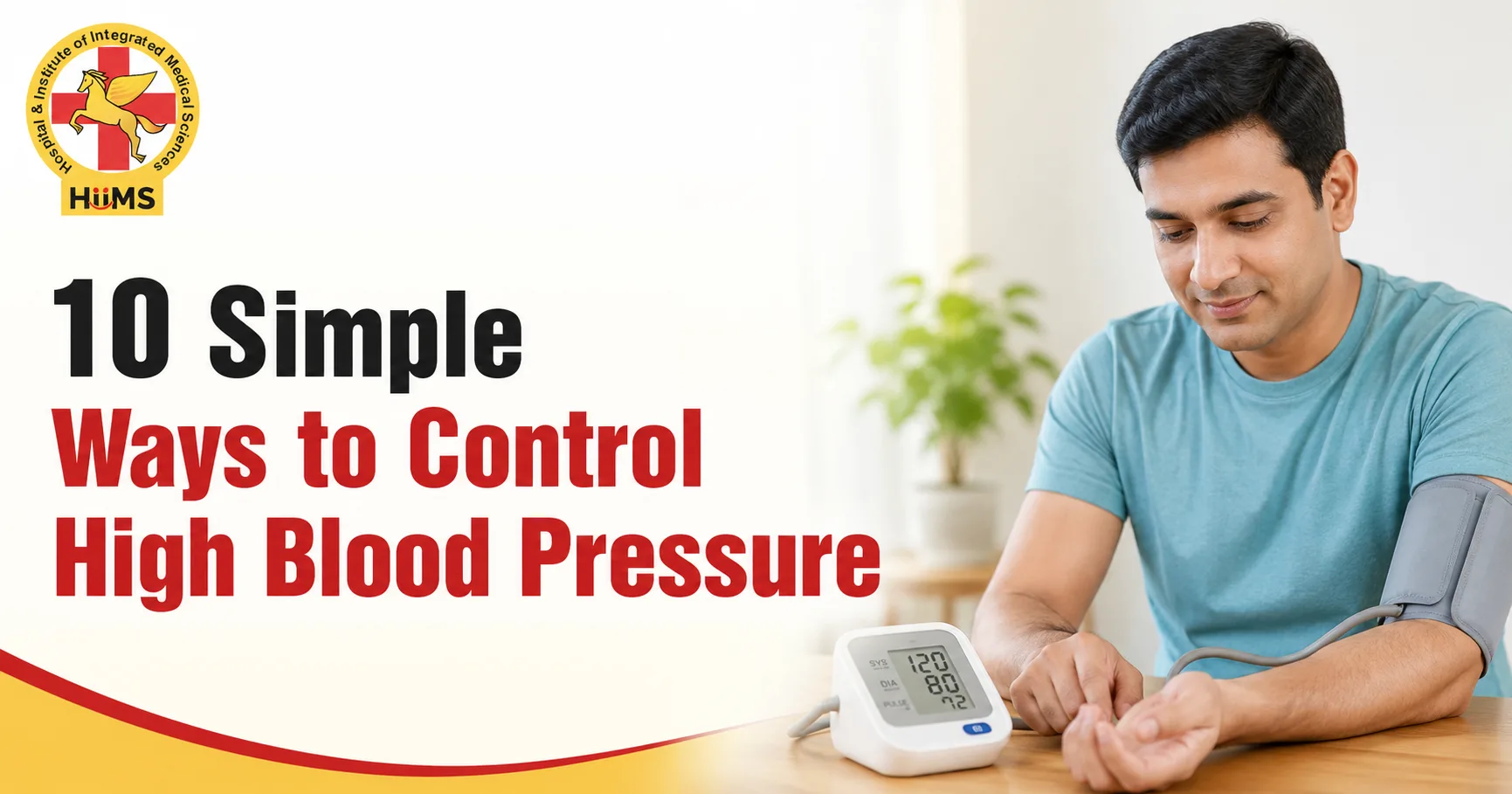
Checking your blood pressure regularly can help you understand whether your lifestyle changes are making a difference.
When checking your blood pressure at home, sit quietly for a few minutes before taking the reading. Keep a record of your readings and share it with your healthcare professional when needed.
Do not judge your health based on a single reading. Blood pressure can change during the day, so looking at repeated readings over time can provide a better picture.
Regular monitoring is one of the simplest ways to control high blood pressure because it helps you notice changes and take action when needed.
10. Make Healthy Habits Part of Your Routine
The most effective lifestyle changes are the ones you can continue. You do not have to change everything in one day.
Start with one or two habits. For example, you could begin walking every morning and reduce the amount of salt in your meals. Once these habits become comfortable, add another change, such as eating more vegetables or improving your sleep routine.
Small steps repeated consistently can become a healthy lifestyle over time. Combining several healthy habits may provide greater benefits than focusing on only one change.
Can High Blood Pressure Be Controlled Without Medicine?
Lifestyle changes can help some people improve their blood pressure, particularly when levels are mildly raised. However, they do not replace medical care for everyone.
People with significantly high blood pressure or a higher risk of heart disease, stroke, kidney problems or other complications may need medicine along with lifestyle changes. Current guidance emphasizes that treatment should be based on a person's blood pressure readings and overall health risk.
If you already take blood pressure medicine, do not stop taking it simply because your readings improve. Talk to your healthcare professional before making any changes to your treatment.
Final Thoughts
There are many practical ways to control high blood pressure, and they often begin with simple changes in everyday life. Eating less salt, choosing healthier foods, staying active, maintaining a healthy weight, managing stress, sleeping well, avoiding tobacco, limiting alcohol and checking your blood pressure can all support better heart health.
The key is consistency. Choose changes that fit your daily routine and make them part of your lifestyle instead of looking for quick fixes.
For people looking for a holistic approach to health and blood pressure management, Jeena Sikho HiiMS Lucknow focuses on lifestyle, diet, yoga, Ayurveda and other supportive approaches as part of its care model.
Disclaimer: This information is for general awareness and does not replace medical advice. If your blood pressure is consistently high, very high, or you have symptoms such as chest pain, severe headache, breathing difficulty, weakness or confusion, seek medical care promptly.
FAQs
1. Can high blood pressure be controlled without medicine?
Lifestyle changes such as eating less salt, exercising regularly, maintaining a healthy weight, managing stress, and getting enough sleep may help control blood pressure. However, some people still need medicine.
2. What are the best ways to control high blood pressure?
Some helpful ways to control high blood pressure include reducing salt, eating more fruits and vegetables, staying active, maintaining a healthy weight, managing stress, avoiding tobacco, limiting alcohol, and checking blood pressure regularly.
3. How can I lower my blood pressure naturally?
Eating a balanced diet, reducing salt, exercising regularly, maintaining a healthy weight, sleeping well, and managing stress can support healthy blood pressure levels.
4. How long does it take to lower high blood pressure?
The time varies from person to person. Some lifestyle changes may improve blood pressure within weeks, while long-term improvements require consistent healthy habits and regular monitoring.
5. Should I stop my blood pressure medicine if my BP becomes normal?
No. Do not stop or change blood pressure medicine without speaking with your healthcare professional. Normal readings may mean your current treatment is working.