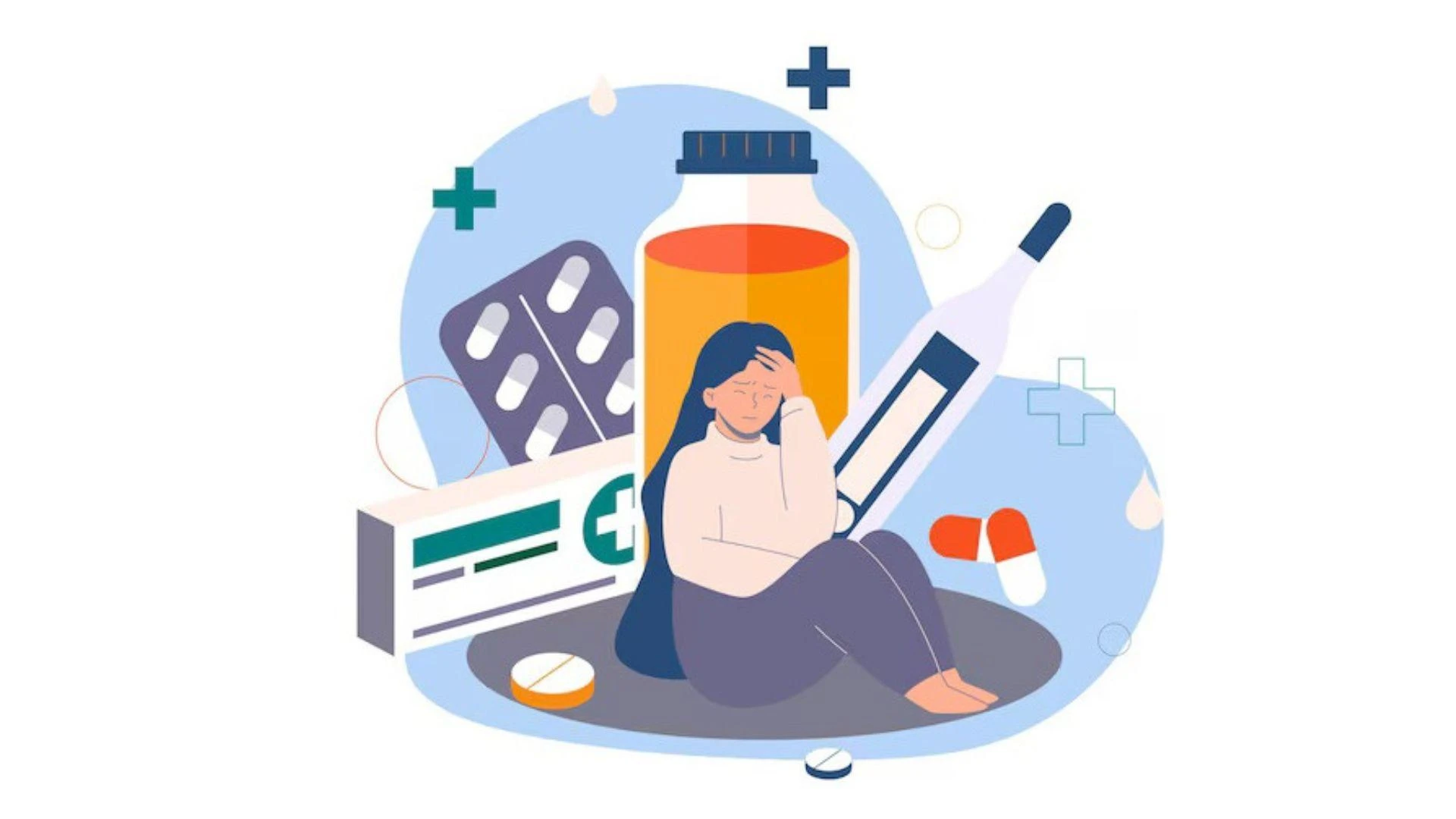
Life-style conditions like diabetes, high blood pressure, heart disease, and obesity are spreading all across the globe. General diet, lack of physical activity, stress, and other life-styles are all frequently associated with these conditions. The good news is that most of these conditions can be prevented by implementing minor modifications in life-style. If you take special care about general well-being and decide on healthy options, you can lower your risk and lead a healthier, longer life.
Below are 10 beneficial lifestyle tips to prevent lifestyle diseases.
1. Balanced Diet
Healthy eating is the key to disease prevention. Focus on:
- Eating a mix of fresh fruits and vegetables daily
- Having whole grains over refined carbs
- Reducing added sugars, fried foods, and processed snacks
- Adding protein sources such as fish, poultry, beans, and legumes
- Drinking more water for hydration
Balanced eating improves the immune system, regulates energy, and keeps body weight healthy.
2. Stay Physically Active
Regular exercise reduces the risk of heart disease, diabetes, and obesity. Try for at least 150 minutes of moderate exercise per week. Examples are:
- Brisk walk or jog
- Bicycle or swim
- Strength exercises with weights or resistance bands
- Yoga or Pilates for flexibility and de-stressing
It is more important to be regular than hard. Small bouts of activity each day can add up over the long term.
3. Healthy Weight
Being overweight or underweight increases the risk of all lifestyle diseases. Weight and body mass index (BMI) monitoring can help you remain in a healthy zone.
Tips for weight maintenance:
- Monitor calorie consumption but without excessive obsession
- Do not snack late at night
- Eat high-fiber food to remain full for longer durations
- Practice portion control
Healthy weight management takes the burden off heart, joint, and metabolic stress.
4. Manage Stress Properly
Chronic stress harms heart health, digestion, sleep, and mental states. To minimize stress:
- Practice meditation, deep breathing, or mindfulness
- Take breaks from work or studying
- Spend outdoor time in nature
- Do some preferred activity or socialize
Reducing stress prevents high blood pressure, anxiety, and other diseases of stress.
5. Get Quality Sleep
Sleep is vital for the body and mind. Adults should have 7–9 hours of good-quality sleep each night.
Tips to get better sleep:
- Have a consistent bedtime and wake time
- Avoid using screens at least an hour before bed
- Create a comfortable, dark, and quiet sleeping environment
- Limit nighttime use of caffeine and alcohol
Good sleep regulates metabolism, immune function, and emotional state.
6. Cut Down Alcohol Consumption
Too much alcohol raises the risk of liver disease, hypertension, and some cancers. Recommendations are:
- No more than one drink a day for women
- No more than two drinks a day for men
Choosing healthier alternatives such as sparkling water or herbal tea can help reduce alcohol consumption.
7. Stay Away from Tobacco Products
Tobacco smoking and other use of tobacco are causally associated with lung disease, heart disease, and cancer. Abandoning tobacco has both immediate and long-term benefits:
- Healthier lung function and breathing
- Reduced risk of cardiovascular disease
- Better skin and oral health
- Longer life expectancy
Nicotine replacement therapies, support services, and counseling may enhance success rates.
8. Stay Well-Hydrated
Water is crucial for digestion, metabolism, and proper organ functioning. Dehydration can lead to fatigue, headaches, and risk of kidney problems.
Hydration tips:
- Drink water during the day, not only when thirsty
- Exchange fizzy beverages with water or herbal teas
- Eat water-dense foods such as vegetables and fruits
Adequate hydration maintains energy level and general well-being.
9. Keep an Eye on Your Health
Early diagnosis is the most effective way to prevent serious complications. Routine checkups identify risks before they begin causing problems.
Good practices:
- Annual tests for blood pressure, blood sugar, and cholesterol
- Regular dental and vision examinations
- Screening tests on the basis of age and family history
Monitoring your health helps intervene at the right time and make lifestyle changes if needed.
10. Build a Strong Support Network
Having a support system of family, friends, or community enhances mental and emotional well-being. Social connection is associated with reduced stress and improved lifestyle habits.
How to develop a stronger support system:
- Enroll in group exercise or fitness classes
- Discuss health goals with family or friends
- Get advice from health-focused online communities
- Participate in local health events or workshops
Having a strong support system develops habit consistency and accountability.
FAQs
1. How quickly can lifestyle changes cut the risk of disease?
Advantages are seen in weeks with sleep and stress relief, but metabolic and weight effects can take months.
2. Can a busy schedule allow all these habits?
Yes. Daily short walks, eating balanced meals, and 10-minute mind exercises pay off in the long run.
3. Does prevention require supplements?
Whole foods typically suffice. Supplements are helpful if there are deficiencies, but they need to be discussed by a physician.
4. How significant is mental health in preventing disease?
Mental health has a direct impact on physical health. Stress management, being socially engaged, and adequate sleep are all important.
5. Do small changes make a difference?
Yes. Small changes in diet, exercise, and sleep lower risk of chronic disease over time.
Key Takeaway
Prevention of lifestyle diseases is a question of sustainable daily habits. Sufficient nutrition, physical exercise on a daily basis, proper sleep, stress management, and avoidance of harmful substances are necessary. Coupled with hydration, periodic health screenings, and social support, the risk of lifestyle diseases is significantly lowered while overall quality of life is improved.
Conclusion
Lifestyle diseases are very preventable through simple informed day-to-day choices. By incorporating these 10 tips into your routine, you can be stronger, build immunity, and enjoy wellness in the long term. Small, gradual changes such as walking, eating well, sleeping well, and stress reduction collectively bring about a preventive effect against severe diseases. If you’re seeking guidance, visiting the Best GP Clinic near me can help you get personalised advice to make lifestyle choices that nourish your mind and body on a daily basis.