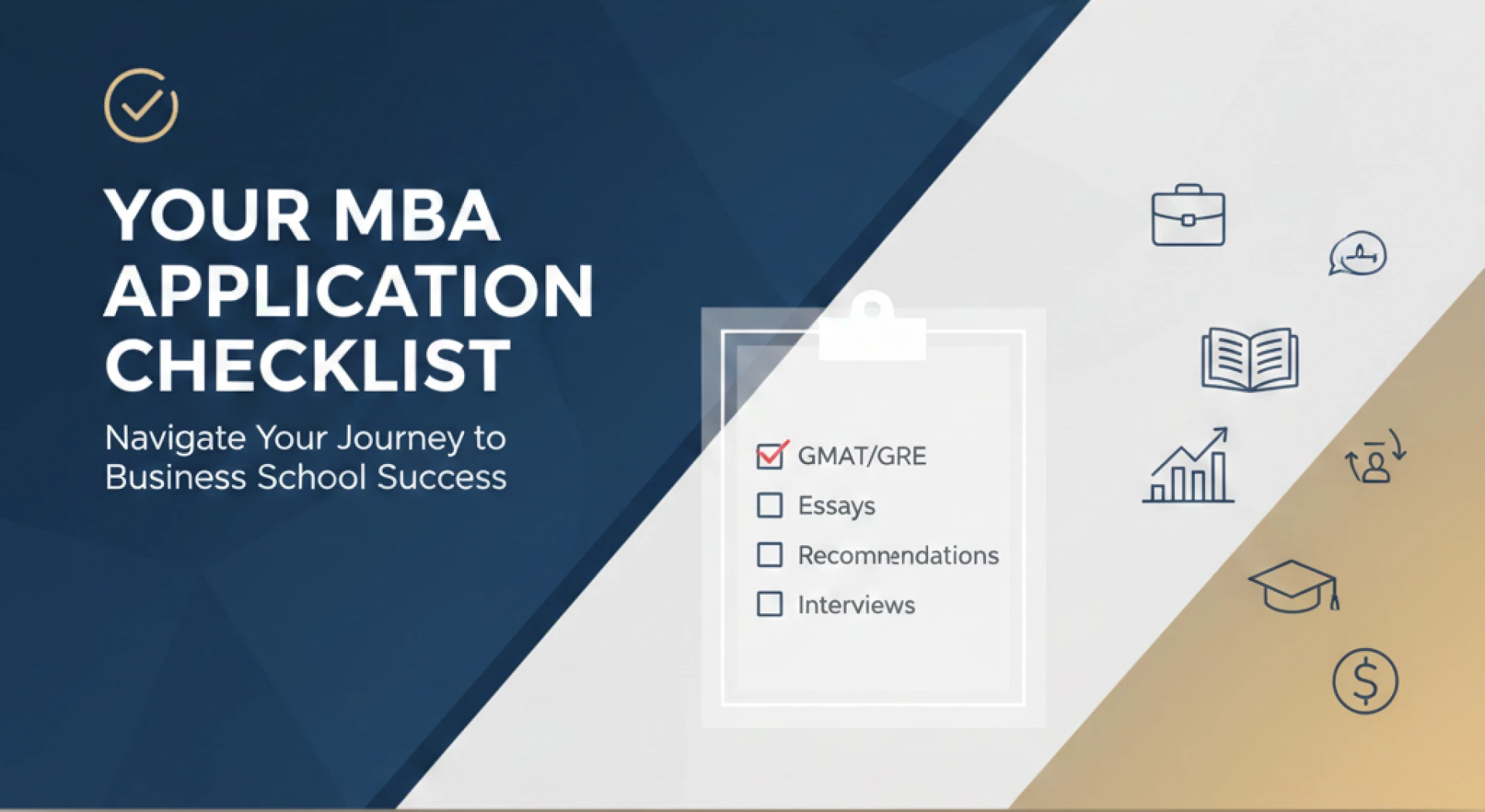
The MBA application season is a whirlwind of activity. Between preparing for intense entrance exams, researching dozens of colleges, and perfecting your interview answers, it's easy to lose track of the most fundamental part of the process: getting your documents in order.
A missing document, a last-minute scramble to find an old mark sheet, or an expired certificate can cause unnecessary stress and, in some cases, can even lead to a rejected application. As a career counselor, I've seen it happen to even the brightest students.
That's why I've created the ultimate, stress-free checklist for you. This is your definitive guide to the 10 essential documents you need to prepare for your 2025-26 MBA applications. Let's get organized now, so your application process can be smooth, professional, and successful.
The Golden Rule: Start Early!
The single most important piece of advice is to start gathering these documents well in advance. Some documents, like university transcripts or category certificates, can take weeks to be issued. Don't wait for the deadlines to approach.
The Ultimate Document Checklist
1. Your Academic Transcripts (10th, 12th, and Graduation)
What they are: Your official mark sheets and passing certificates for your 10th standard, 12th standard, and all semesters of your undergraduate degree.
Why they are important: This is the primary proof of your academic performance and eligibility. Every B-school will verify these meticulously.
Expert Tip: Find and keep all your original documents in a safe folder. Also, scan every document and create a clearly named digital folder on your computer (e.g., "MBA Application Docs"). This will save you hours of searching later.
2. Your Entrance Exam Scorecard (CAT/XAT/NMAT etc.)
What it is: The official, downloaded scorecard from the testing agency's website (e.g., iimcat.ac.in).
Why it is important: This is your entry ticket. It's the first thing B-schools will use to shortlist you for the next round.
Expert Tip: Download and save the PDF of your scorecard as soon as it is released. Keep multiple copies in your email, on your computer, and in cloud storage.
3. Your Updated, Professional Resume/CV
What it is: A crisp, one-page summary of your academic, professional (if any), and extracurricular achievements.
Why it is important: It’s your professional story at a glance and the foundation for your personal interview.
Expert Tip: This is not your standard job-search resume. It needs to be tailored for B-school admissions. Focus on quantifying your impact (using numbers and percentages) and highlighting any leadership roles you have undertaken. It's a great idea to get it reviewed by a senior or a mentor.
4. Work Experience Documents (if applicable)
What they are: Offer letters, experience letters, relieving letters, and the last few salary slips for all your work experiences.
Why they are important: These are required to verify the duration and nature of your work experience, for which you get crucial profile points in the selection process.
Expert Tip: If you are currently working, keep your documents organized. If you have left a previous company, ensure you have the proper relieving and experience letters. Chasing these up during the busy application season can be a huge hassle.
5. Statement of Purpose (SOP) / Admission Essays
What they are: The written essays required by many B-schools, asking critical questions like "Why MBA?", "What are your career goals?", or "Describe a leadership experience."
Why they are important: This is your voice in the application. It's your one chance to tell your unique story and convince the admissions committee that you are a perfect fit for their school.
Expert Tip: Spend weeks, not hours, on your essays. This is your chance to stand out from thousands of other applicants with similar scores. Be authentic, be specific, and proofread relentlessly.
6. Letters of Recommendation (LORs)
What they are: Formal letters from your professor or your professional manager recommending you for the MBA program.
Why they are important: A strong, credible third-person endorsement of your skills and potential can be a powerful tie-breaker. Top private B-schools with a holistic application process, like FIIB Delhi, place great emphasis on the quality of your LORs. As we've noted in our review, its AACSB-accredited program looks for well-rounded candidates, and a powerful recommendation can be a key differentiator.
Expert Tip: Choose recommenders who know you well and can write about specific examples of your achievements. Give them ample time (at least 3-4 weeks) and provide them with a "brag sheet"—a document that reminds them of your key projects and goals—to help them write a great letter.
7. Identification and Personal Documents
What they are: Government-issued photo ID (Aadhaar Card, Passport, etc.) and recent, professional-looking passport-sized photographs.
Why they are important: Needed for every form and verification process.
Expert Tip: Get professional, studio-shot photographs with a plain background. Scan all your IDs and keep high-quality digital copies ready to upload.
8. Category Certificates (if applicable)
What they are: Official, valid certificates for SC/ST/OBC-NCL/EWS/PwD categories.
Why they are important: Essential for availing reservation benefits and fee waivers.
Expert Tip: This is a critical point. Ensure your certificates are in the correct format as specified by the government and the B-school, and that they are dated within the valid period. An invalid certificate is a common and heartbreaking reason for the cancellation of admission.
9. The Final Admission Offer Letter
What it is: The golden ticket! Your final, official admission offer from the B-school.
Why it is important: You will need this for everything that comes next, from accepting your seat to applying for your education loan.
Expert Tip: Once you receive it, read every word carefully, note the fee payment deadlines, and follow the instructions to formally accept your seat.
10. The Official Fee Structure Document (for the Loan)
What it is: The official document provided by the college that gives a detailed breakdown of the entire two-year fee structure.
Why it is important: This is the most critical document for your education loan application. Banks will not process your loan without it.
Expert Tip: A well-known institution like Amity University, as we've discussed in our reviews, provides a very clear and detailed fee structure for its MBA program. Having clear documentation from a recognized university brand makes the education loan process much smoother and faster. Another university with clear financial documentation that facilitates the loan process is IILM University Greater Noida, which is recognized by major banks for educational lending.
The Power of Being Organized
The MBA application process is a test of your management skills before you even enter the classroom. Being organized is key. Use this checklist to gather and organize all your documents well in advance. A well-prepared applicant is a confident applicant. By taking care of these fundamentals, you can free up your mind to focus on what really matters: acing your interviews and telling your best story.