You’re Not Stuck. You’re Avoiding the Hard Fix.
Let’s be honest:
You’re not actually stuck.
You’re avoiding the hard fix.
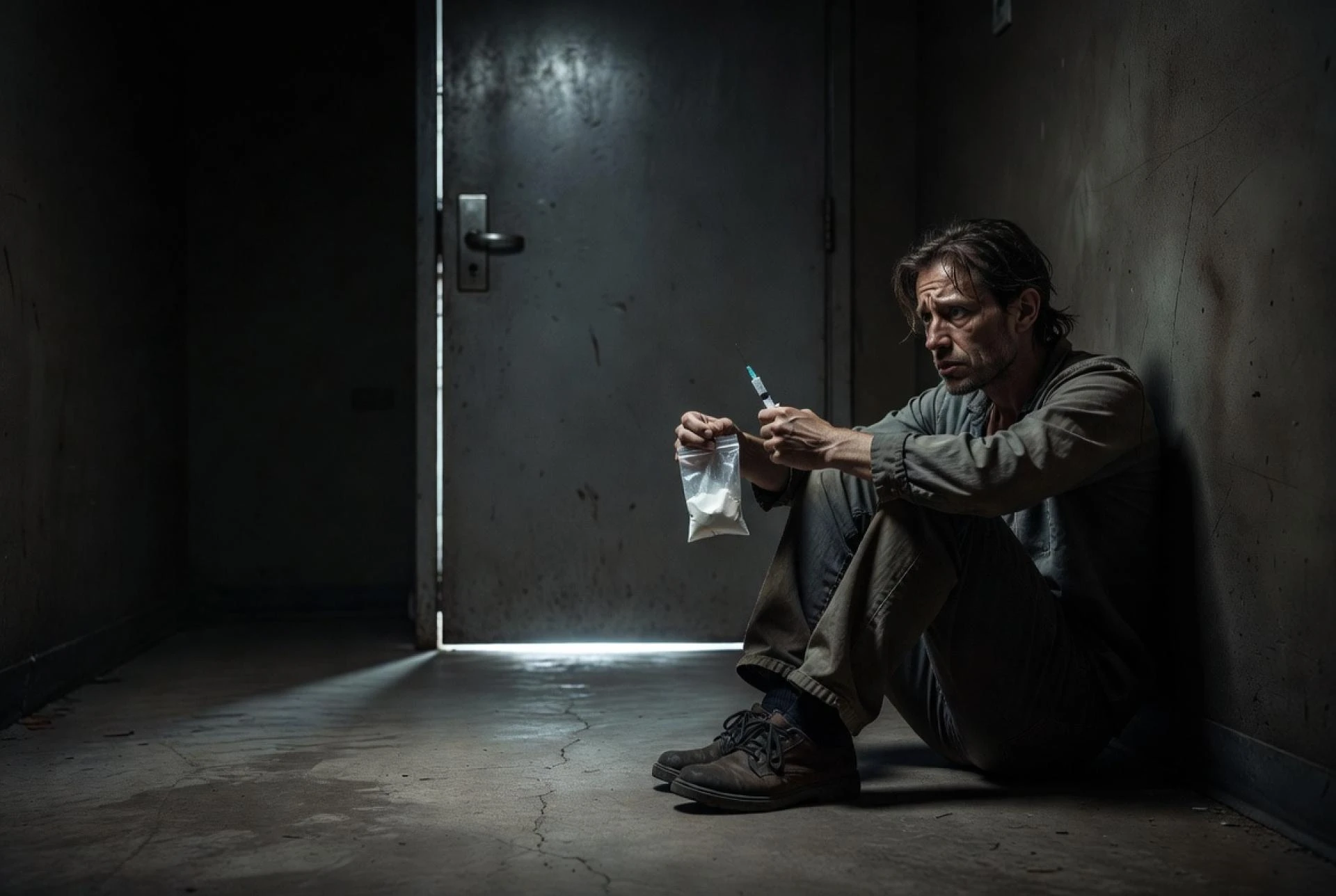
After more than ten years in addiction treatment, I’ve seen this over and over. People look at their lives and call themselves “trapped,” but in reality, the path forward is always visible. It’s just uncomfortable—and discomfort is exactly what keeps people in the cycle.
Stuck vs. Avoidance
When someone says, “I’m stuck,” it sounds helpless. But when you break it down, you usually know what needs to happen:
- Admit the problem exists.
- Stop hiding or rationalizing behaviors.
- Commit to a structured treatment plan.
- Face the emotions you’ve been numbing.
Those steps aren’t easy. They’re the hard fix. And most people avoid them because it feels safer to maintain the chaos than to confront it head-on.
The Comfort of Delay
Avoidance has a seductive logic:
- “I’ll cut back later.”
- “I’ll start treatment when I have more time.”
- “I can handle this on my own.”
On the surface, it feels like progress. But in reality, all that delay compounds risk, stress, and consequences. The longer you put it off, the heavier the cost.
I’ve seen people try every trick in the book—white-knuckling, partial changes, temporary detoxes—while ignoring the hard fix. And inevitably, the pattern continues. The problem doesn’t get smaller; it just becomes more entrenched.
Why the Hard Fix Works
Here’s the thing most people miss:
The hard fix is uncomfortable upfront, but it’s the fastest route to freedom.
Real Addiction Treatment in Columbus doesn’t just remove substances. It provides structure, accountability, and clarity. Suddenly, you’re not negotiating with your habit every hour of the day. You’re following a plan designed to break the cycle.
Yes, it’s challenging. Yes, it requires honesty and humility. But the payoff is immense—emotional stability, restored relationships, improved health, and regained confidence.
The Illusion of Helplessness
You’re not stuck because circumstances have trapped you. You’re stuck in stories you tell yourself:
- “I can’t do this yet.”
- “I’ll get to it when I feel ready.”
- “It’s not that bad, I can manage.”
Those aren’t facts—they’re excuses. And every day you cling to them, the harder the real fix becomes.
The Cost of Waiting
Every day spent avoiding treatment adds weight:
- Missed opportunities.
- Damaged relationships.
- Health decline.
- Mental exhaustion.
The moment you finally take the hard fix seriously, you realize the cost of delay. And almost everyone I’ve worked with wishes they’d done it sooner.
Step Into the Hard Fix
Here’s the reality:
You can choose comfort now and chaos later.
Or discomfort now and freedom later.
The hard fix isn’t painless. But it’s deliberate. And it works.
You’re not powerless. You’re just hesitating.
And hesitation costs far more than you think.