Alex Molinaroli workforce development reflects a broader discussion about how experienced executive leadership contributes to strengthening talent pipelines, aligning education systems with industry needs, and preparing organizations for long-term economic competitiveness.
In today’s rapidly evolving economy, workforce development has become more than a human resources function—it is a strategic priority. Automation, artificial intelligence, sustainability initiatives, and digital transformation are reshaping industries at an accelerated pace. As a result, companies require employees who possess not only technical knowledge but also adaptability, leadership capability, and problem-solving skills.
Aligning Education with Industry Needs
A core element of workforce development is collaboration between employers and academic institutions. Businesses increasingly partner with universities and technical colleges to ensure that curricula reflect current industry requirements. Structured internships, cooperative education programs, mentorship initiatives, and industry-sponsored research projects help bridge the gap between classroom theory and real-world application.
Discussions surrounding Alex Molinaroli workforce development often emphasize the importance of creating stronger links between education and employment systems. By aligning training programs with workforce demand, organizations reduce skills gaps and improve long-term talent readiness.
Building Sustainable Talent Pipelines
Sustainable economic growth depends on a steady flow of skilled professionals. Workforce development strategies therefore focus on long-term talent cultivation rather than short-term hiring solutions. This includes investing in STEM education, supporting technical certifications, and encouraging leadership development within engineering and industrial sectors.
Companies that prioritize workforce development frequently collaborate with educational institutions to identify future skill requirements. Anticipating labor market shifts allows organizations to proactively prepare employees for emerging technologies and evolving business models.
Leadership and Organizational Culture
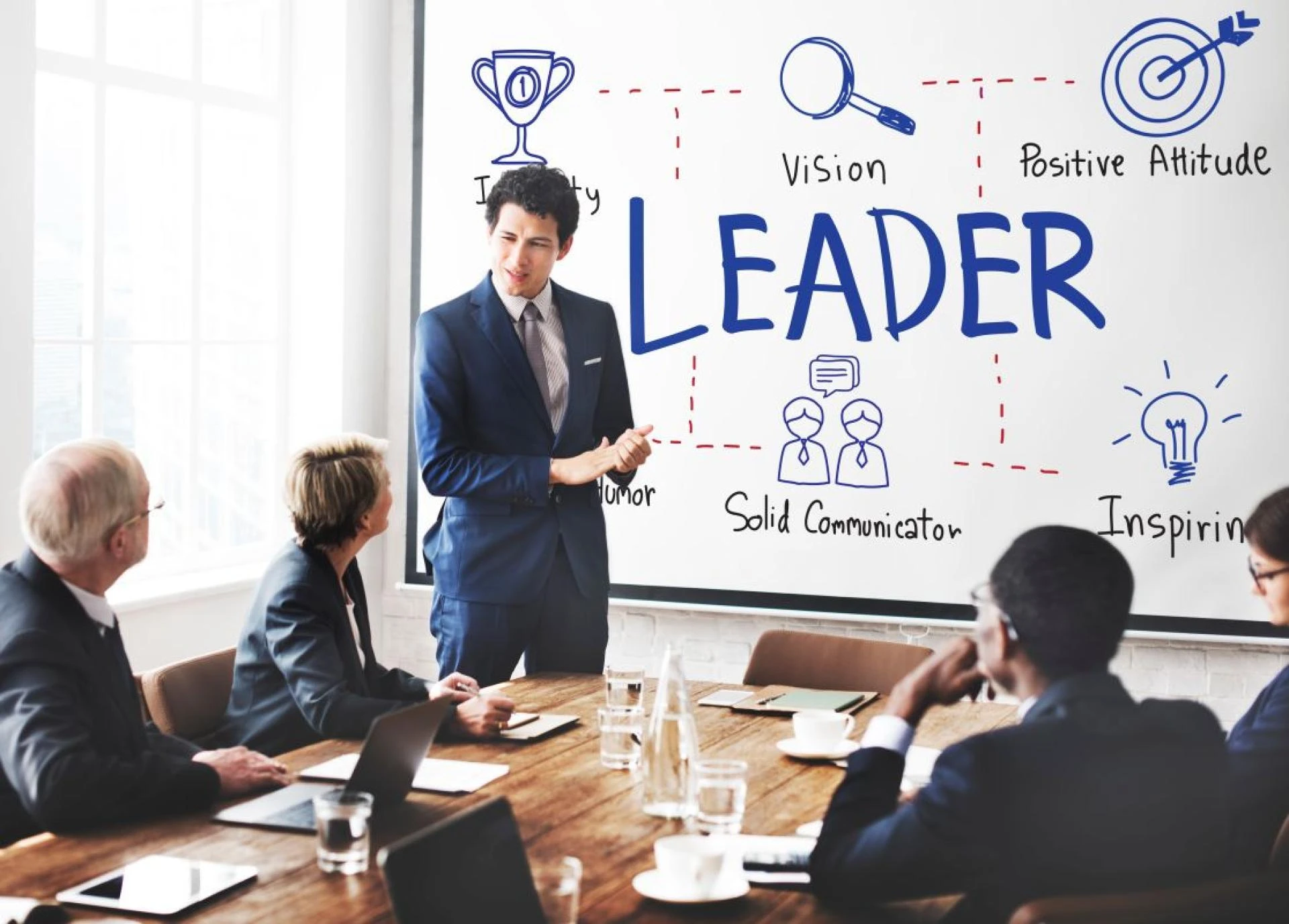
Effective workforce development also depends on leadership commitment. Executives who champion talent growth create cultures of continuous learning and professional advancement. Leadership involvement signals that employee development is not optional—it is central to strategic success.
The themes connected to Alex Molinaroli workforce development often intersect with broader conversations about how engineering-driven leadership supports structured planning, operational discipline, and long-term workforce resilience.
Lifelong Learning and Adaptability
Modern careers are no longer linear. Rapid technological change means professionals must continuously update their skills. Workforce development initiatives increasingly incorporate flexible learning models such as online education, micro-credentials, and executive training programs.
This approach transforms workforce preparation into an ongoing process rather than a one-time educational milestone. Organizations that invest in reskilling and upskilling initiatives are better positioned to remain competitive amid technological disruption.
Economic and Community Impact
Workforce development extends beyond individual companies. Strong talent ecosystems contribute to regional economic growth, innovation capacity, and community resilience. When businesses, universities, and policymakers collaborate effectively, they create integrated systems that support both employment and economic competitiveness.
Interest in Alex Molinaroli workforce development highlights the recognition that leadership plays a critical role in shaping these systems. Strategic oversight, educational collaboration, and long-term planning help ensure that workforce development efforts align with broader economic objectives.
Conclusion
In a knowledge-driven economy, talent is the most valuable asset. Workforce development is no longer a peripheral initiative—it is a strategic foundation for sustainable growth. The continued attention to Alex Molinaroli workforce development reflects the importance of leadership engagement in aligning education, industry, and economic strategy.
Organizations that prioritize structured talent pipelines, continuous learning, and cross-sector collaboration are best equipped to navigate technological change and build resilient, future-ready workforces.