A women welfare foundation India plays a crucial role in addressing structural inequalities and creating sustainable pathways for empowerment. Across urban centers and rural communities, such organizations focus on improving access to education, healthcare, livelihood opportunities, and legal protection for women. Their work is rooted in the recognition that social progress is directly linked to the well-being, safety, and economic participation of women in society.
The Need for Structured Women-Centric Initiatives
Despite significant advancements in policy and awareness, many women continue to face barriers such as limited access to quality education, wage disparities, gender-based violence, and restricted financial independence. In rural regions, these challenges are often compounded by poverty, early marriage, and limited mobility. Even in metropolitan areas, issues like workplace discrimination and inadequate childcare support remain persistent.
Foundations dedicated to women’s welfare operate as structured support systems that bridge the gap between policy intent and on-ground impact. They identify localized issues, conduct community assessments, and design programs that respond directly to the needs of women across different socioeconomic backgrounds.
Core Areas of Intervention
1. Education and Skill Development
Education is the most powerful tool for transformation. Welfare-focused institutions invest in literacy programs, digital education, vocational training, and entrepreneurship workshops. Skill development initiatives often include tailoring, handicrafts, food processing, computer training, and small business management. These programs enable women to generate income, build confidence, and contribute meaningfully to their households and communities.
2. Healthcare and Nutrition Support
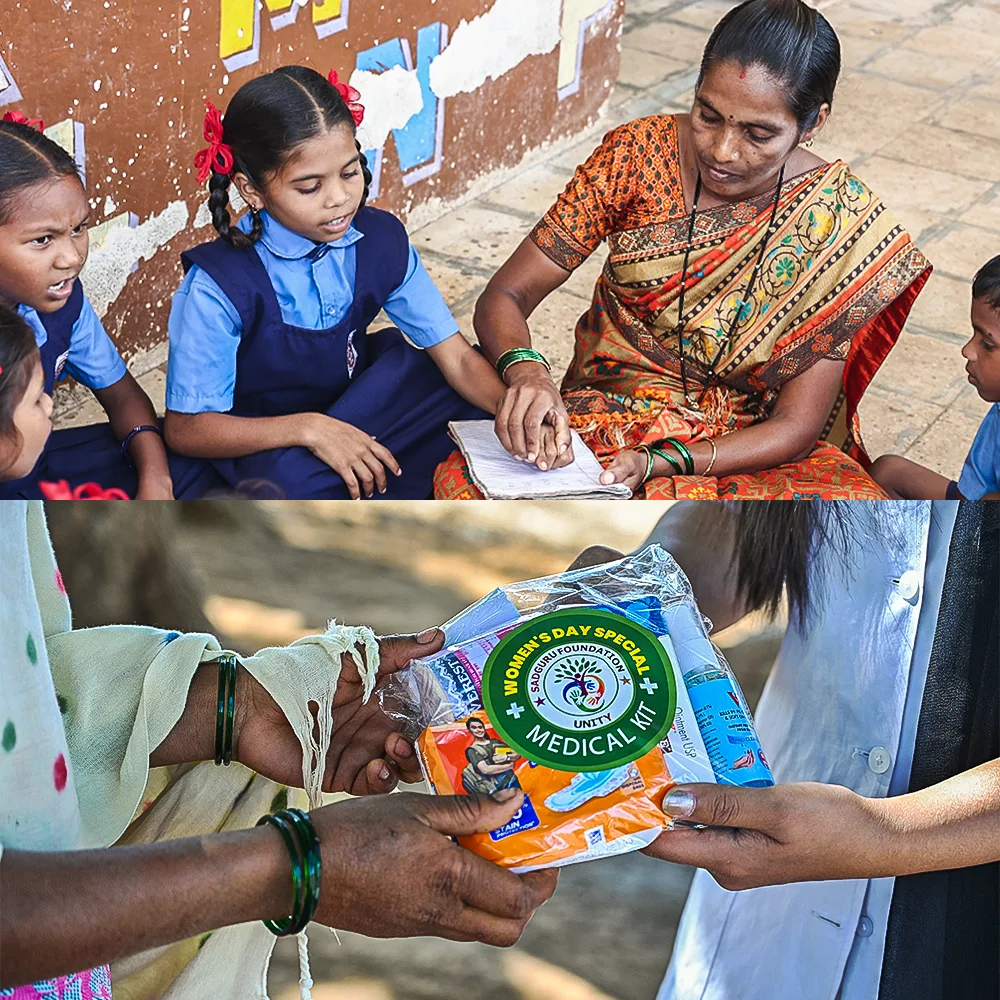
Women’s health is central to family and community well-being. Initiatives frequently include health camps, maternal care awareness, menstrual hygiene education, and nutrition programs. Preventive healthcare awareness—especially related to reproductive health and anemia—helps reduce long-term health complications. Access to affordable healthcare services strengthens resilience and improves quality of life.
3. Legal Awareness and Rights Protection
A significant aspect of empowerment involves awareness of legal rights. Foundations conduct workshops on domestic violence laws, workplace harassment regulations, inheritance rights, and government welfare schemes. Legal counseling and referral services are often provided to ensure that women can access justice systems effectively and without intimidation.
4. Financial Inclusion and Entrepreneurship
Economic independence is closely tied to decision-making power within families and communities. Self-help groups, microfinance initiatives, and financial literacy training are common strategies used to promote savings habits and entrepreneurial ventures. When women gain control over financial resources, household stability and children’s education outcomes tend to improve as well.
Community-Centered Approach
Successful welfare models prioritize community participation. Instead of imposing standardized solutions, they engage local leaders, families, and beneficiaries in program design and implementation. This participatory approach builds trust and ensures that interventions are culturally sensitive and sustainable.
Capacity-building efforts often extend beyond individual beneficiaries to create support networks. Peer mentoring groups, leadership training sessions, and awareness campaigns foster collective confidence. Over time, empowered women become advocates for others, amplifying the impact of initial interventions.
Role in Rural and Urban Contexts
In rural areas, welfare efforts often focus on literacy, healthcare accessibility, sanitation awareness, and income-generating activities. Infrastructure challenges such as transportation and digital connectivity are also addressed through targeted initiatives.
In urban environments, programs may emphasize workplace readiness, digital entrepreneurship, mental health counseling, and safety awareness. Migration-related vulnerabilities, particularly among informal sector workers, are also addressed through support services and community outreach.
Long-Term Societal Impact
Investing in women’s welfare yields measurable social returns. Studies consistently show that when women are educated and financially empowered, family health indicators improve, child education rates rise, and poverty cycles are disrupted. Moreover, women’s participation in local governance and decision-making contributes to more inclusive community development.
Beyond economic metrics, empowerment fosters dignity, self-confidence, and social equity. It challenges entrenched stereotypes and redefines traditional gender roles. Over time, these shifts create more balanced and progressive societies.
Moving Forward
The future of women-focused development depends on collaboration among civil society, policymakers, private sector stakeholders, and local communities. Transparent governance, measurable impact frameworks, and technology integration can enhance efficiency and scalability. Digital platforms, for example, can expand access to training and legal resources, especially in underserved regions.
Sustainable change requires consistency and long-term commitment. By strengthening support systems and expanding opportunities, women-centered welfare initiatives continue to lay the foundation for inclusive growth and equitable progress across India.