Wisdom Tooth Removal London: Symptoms, Treatment and Recovery Guide
Wisdom teeth are the final set of molars to develop, usually appearing between the ages of 17 and 25. While some people experience no problems when their wisdom teeth emerge, others may develop pain, swelling, infection or overcrowding. When these issues affect everyday comfort and oral health, wisdom tooth removal may be recommended.
For people searching for wisdom tooth removal London, understanding the symptoms, treatment process and recovery period can make the experience less daunting. Whether you are experiencing discomfort at the back of your mouth or have been advised to consider an extraction, knowing what to expect is an important first step.
What Are Wisdom Teeth and Why Can They Cause Problems?
Wisdom teeth are the third molars located at the very back of the upper and lower jaws. Most adults develop up to four wisdom teeth, although some people have fewer or none at all.
Problems can occur when there is insufficient room in the jaw for these teeth to emerge properly. Instead of growing straight, a wisdom tooth may become impacted, meaning it remains partly or completely trapped beneath the gum or jawbone.
Common problems include:
- Impaction: The tooth cannot emerge fully because there is insufficient space.
- Infection: Partially erupted wisdom teeth can trap food and bacteria around the gum.
- Pain and swelling: Pressure around the surrounding tissues may cause discomfort.
- Tooth decay: Wisdom teeth can be difficult to clean, increasing the risk of cavities.
- Gum disease: Bacteria accumulating around partially erupted teeth can cause inflammation.
- Damage to neighbouring teeth: In some cases, an impacted tooth can affect the health of the adjacent molar.
Not every wisdom tooth needs removing. If it is healthy, properly positioned and easy to clean, it may simply require routine monitoring.
Signs You May Need Wisdom Tooth Removal
Recognising the warning signs early can help prevent more complicated dental problems.
Some of the most common symptoms include:
Persistent pain at the back of the mouth: Discomfort around the rear molars may indicate that a wisdom tooth is struggling to emerge.
Swollen or tender gums: Redness, inflammation and tenderness around a partially erupted tooth may suggest infection.
Difficulty opening your mouth: Swelling or discomfort around the jaw can make chewing and opening your mouth uncomfortable.
Bad breath or an unpleasant taste: Trapped food and bacteria around an erupting wisdom tooth can contribute to unpleasant breath or taste.
Repeated gum infections: A condition known as pericoronitis can develop when the gum surrounding a partially erupted wisdom tooth becomes inflamed or infected.
If you experience these symptoms, arrange a dental assessment rather than waiting for the discomfort to disappear. Facial swelling, fever, difficulty swallowing or breathing requires urgent medical or dental attention.
How Is Wisdom Tooth Removal Carried Out in London?
The treatment process depends on the position of the wisdom tooth, its root structure and whether it has fully erupted.
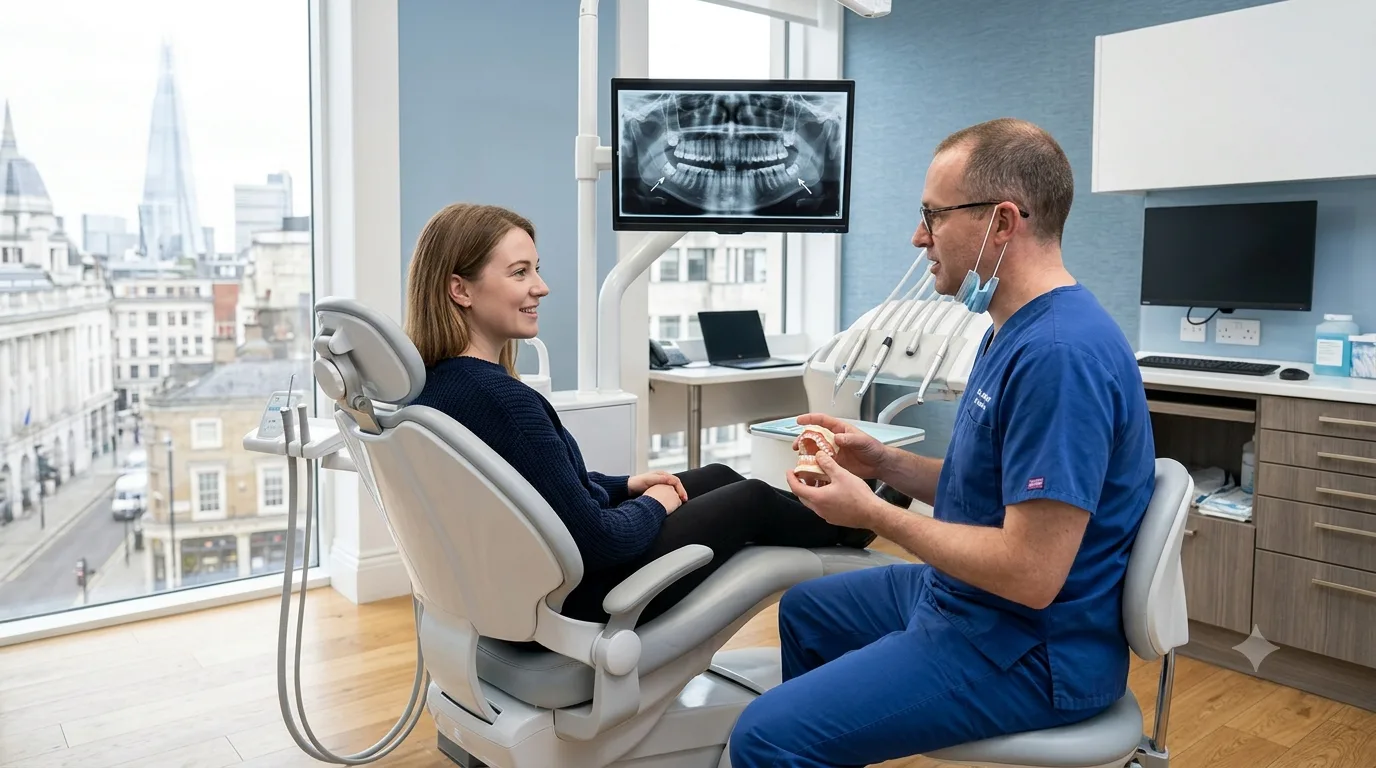
Before recommending an extraction, a dental professional will examine your mouth and may arrange an X-ray to assess the tooth's position and its relationship with nearby structures.
There are two main approaches:
1. Simple Wisdom Tooth Extraction
If the wisdom tooth has fully emerged and is accessible, it may be removed using a straightforward extraction procedure.
The area is numbed using local anaesthetic, helping to minimise discomfort during treatment. The tooth is then carefully loosened and removed.
2. Surgical Wisdom Tooth Removal
An impacted or partially erupted wisdom tooth may require a minor surgical procedure.
This can involve making a small incision in the gum to access the tooth. In some cases, a small amount of surrounding bone may need to be removed, or the tooth may be divided into smaller sections to allow safer removal.
Local anaesthetic is commonly used, while sedation or general anaesthesia may be considered in selected cases depending on clinical circumstances and the treatment setting.
Your dental professional will explain the most suitable approach before proceeding.
What Happens During a Wisdom Tooth Removal Appointment?
Knowing what happens during an extraction can help reduce anxiety, particularly if you have never undergone dental surgery before.
A typical appointment involves:
- Initial assessment: Your dentist reviews your symptoms, medical history and dental condition.
- Imaging: An X-ray may be taken to establish the position and shape of the wisdom tooth.
- Anaesthesia: The treatment area is numbed to prevent pain during the procedure.
- Tooth removal: The wisdom tooth is carefully extracted using the appropriate technique.
- Aftercare instructions: You receive guidance on managing discomfort, swelling and oral hygiene during recovery.
The length of the appointment varies depending on whether the extraction is straightforward or surgical.
Recovery After Wisdom Tooth Removal
Recovery is an important part of the treatment process. Most people experience some swelling, tenderness and mild bleeding following extraction, particularly after surgical removal.
These symptoms generally improve over several days, although complete healing of the extraction site takes longer.
To support recovery, consider the following advice:
- Rest for the remainder of the day after treatment.
- Apply a cold compress externally to help manage swelling.
- Eat soft foods such as yoghurt, mashed potatoes, scrambled eggs and soup that has cooled.
- Avoid smoking and alcohol during the initial healing period.
- Do not rinse your mouth vigorously during the first 24 hours.
- Avoid strenuous physical activity for the first few days.
- Follow your dentist's instructions regarding pain relief and cleaning the extraction site.
After the first 24 hours, gentle warm salt-water rinses may help keep the area clean, provided your dentist has not advised otherwise.
Avoid disturbing the extraction site, as this can interfere with healing and increase the risk of dry socket, a painful condition in which the protective blood clot becomes dislodged or fails to form properly.
If pain becomes worse rather than better, or you develop a fever, increasing swelling, pus or persistent bleeding, contact your dental professional promptly.
Can Wisdom Teeth Affect Other Dental Treatments?
Wisdom teeth are sometimes associated with concerns about overcrowding and changes in tooth alignment. However, their presence does not automatically mean that other teeth will become crooked.
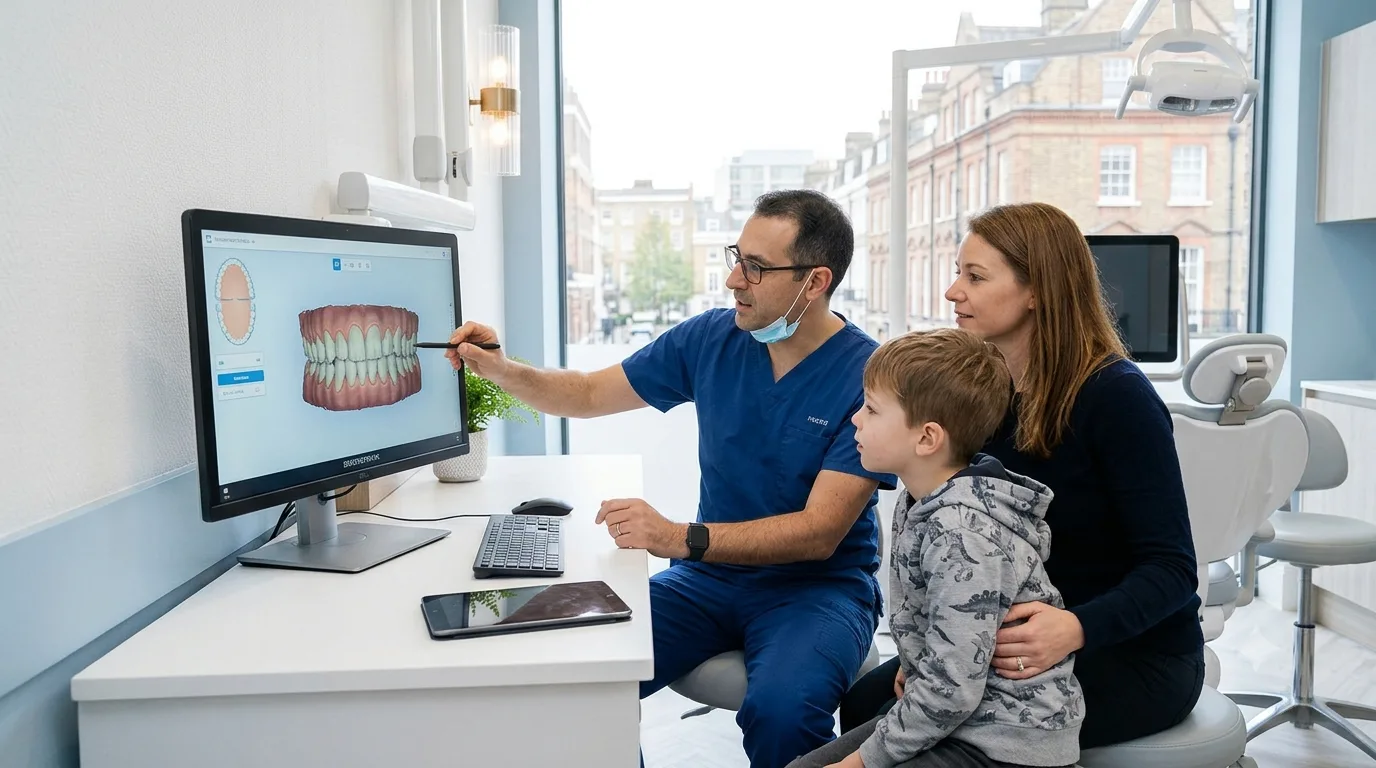
If you are considering orthodontic treatment, it is important to have your overall dental health assessed before starting.
For patients interested in improving tooth alignment, exploring Invisalign treatment for adults can help explain the available options for achieving a straighter smile.
Maintaining healthy teeth and gums is equally important. Regular professional cleaning and preventative care can help reduce the risk of dental problems. You can also learn more about dental check-ups and hygiene and why routine appointments matter.
For patients considering a wider approach to restoring their smile, understanding dental implant treatment may also be useful when discussing missing or damaged teeth with a dental professional.
When Should You Seek Professional Dental Advice?
You should arrange a dental assessment if you experience recurring pain, gum swelling, difficulty chewing or signs of infection around a wisdom tooth.
Early assessment can establish whether monitoring, cleaning, medication or extraction is appropriate. It can also help identify potential complications before they become more difficult to manage.
If you are based in London, choosing a dental practice that provides clear explanations, appropriate diagnostic assessments and personalised treatment recommendations can make a difference to your experience.
Frequently Asked Questions
Is wisdom tooth removal painful?
Local anaesthetic is used to numb the treatment area, so you should not feel sharp pain during the extraction. Some pressure may be noticeable. Mild discomfort and swelling are common afterwards.
How long does it take to recover?
Many people feel considerably better within three to seven days. However, healing depends on the complexity of the extraction and individual circumstances.
Do all wisdom teeth need removing?
No. Healthy wisdom teeth that have erupted correctly and can be cleaned effectively do not usually need extraction. Removal is generally considered when there is a clear clinical reason.
Can I eat normally after wisdom tooth removal?
Initially, soft foods are recommended. You can gradually return to your usual diet as tenderness improves and your dentist advises.
Should I have an X-ray before extraction?
Dental imaging is often recommended to assess the position, roots and surrounding structures of a wisdom tooth. Your dental professional will decide whether an X-ray is necessary.
Final Thoughts
Wisdom tooth problems can affect eating, speaking and everyday comfort, but appropriate assessment and treatment can help prevent further complications. Whether you have persistent pain, swollen gums or an impacted tooth, seeking professional advice is the best way to understand your options.
For anyone researching wisdom tooth removal London, the key is to understand the cause of the problem, receive an accurate assessment and follow appropriate aftercare guidance. Looking after your oral health through regular dental appointments can also help protect your smile in the long term.