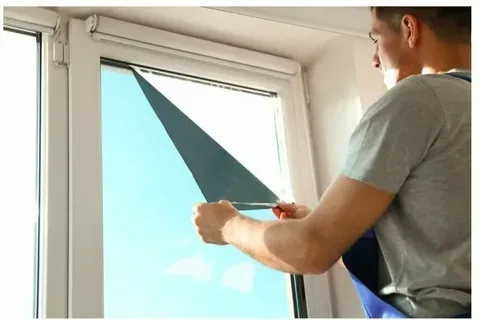
Singapore homes receive strong sunlight throughout the year. Large windows and glass doors can make a property feel bright, open, and connected to the outdoors, but the same glass can also allow considerable solar heat and ultraviolet radiation into living spaces.
For homeowners, the challenge is finding a solution that improves indoor comfort without making the home unnecessarily dark. Modern window films can help manage solar exposure while preserving natural daylight and the appearance of existing windows.
From reducing afternoon heat to limiting glare and protecting interior furnishings, residential window film can provide several practical benefits when the right product is selected and professionally installed.
Why Residential Windows Get So Much Solar Exposure
The position and size of windows have a major influence on indoor temperature.
East-facing windows receive strong morning sunlight, while west-facing windows can experience intense afternoon exposure. Large balcony doors and floor-to-ceiling
windows provide even more surface area for solar energy to enter.
When sunlight passes through untreated glass, some of its energy becomes heat inside the home. Air-conditioning then needs to remove that additional heat to maintain a comfortable temperature.
This can be particularly noticeable in rooms with direct sunlight for several hours each day.
How Residential Window Film Works
Window film is a thin layer applied directly to glass. Depending on its construction, it can control different portions of the solar spectrum while maintaining a chosen level of visible light transmission.
The objective is not simply to make windows darker.
A well-selected film can help reduce solar heat, control glare, reject ultraviolet radiation, and potentially improve overall indoor comfort.
Different films have different performance characteristics, so homeowners should consider the property's specific requirements rather than choosing a product based only on appearance.
Choosing Window Tinting Singapore Homeowners Can Actually Benefit From
When considering window tinting Singapore residential properties require, it is important to look at the individual characteristics of the home.
Consider the following factors:
- Which windows receive direct sunlight?
- Which rooms become hottest during the day?
- Is glare affecting television or computer screens?
- How much natural daylight should remain?
- Is privacy a concern?
- Does the existing glass need additional solar protection?
- What appearance do you want from inside and outside?
Answering these questions can make it easier to determine the appropriate type and performance level of film.
A bedroom with strong morning exposure may need a different solution from a living room facing the afternoon sun.
Reducing Heat Without Blocking All Daylight
Many homeowners want cooler interiors but do not want to keep curtains closed throughout the day.
Traditional blinds and curtains can block sunlight effectively, but they can also reduce natural light and views.
Solar control film provides another layer of protection directly at the glass. Depending on the film's specifications, it can reject a significant portion of solar energy while allowing useful visible light to continue entering.
This can help maintain a bright interior while reducing some of the unwanted effects associated with direct sunlight.
Understanding UV Protection
Ultraviolet radiation is another important consideration for residential windows.
Long-term UV exposure can contribute to fading and deterioration of furniture, flooring, curtains, artwork, carpets, and other interior materials.
A high-quality film can provide substantial UV rejection, helping reduce one source of exposure to valuable household items.
Homeowners should check the product's technical specifications rather than relying on general claims. Solar Heroes states that its window films can provide up to 99.9% UV rejection depending on the product.
UV Protection Window Film Singapore Homes Can Use for Interior Protection
For homeowners specifically concerned about sunlight affecting furnishings, UV protection window film Singapore solutions can provide an additional protective layer without requiring replacement of the existing windows.
UV protection is useful throughout the home, but it can be especially relevant in rooms containing expensive furniture, artwork, wooden finishes, or fabrics positioned close to windows.
It is important to remember that UV protection is only one part of solar control. A homeowner concerned about heat should also examine infrared rejection and total solar energy rejection.
Glare Can Affect Everyday Activities
Excessive brightness can be more than a minor inconvenience.
Sunlight reflecting across a television screen can make viewing uncomfortable. Strong reflections on a laptop or monitor can make it difficult to see content clearly.
In home offices, this can become a daily issue.
The right film can reduce excessive glare while retaining a useful level of natural light. The ideal balance depends on the room and how it is used.
A darker film may reduce glare more strongly, but homeowners should also consider whether it will make the room darker than desired.
Different Rooms May Need Different Film
There is no requirement for every window in a home to use exactly the same film.
A living room with large west-facing windows may need strong heat rejection. A bedroom may prioritise privacy and glare control. A study may require a balance between daylight and screen visibility.
Using the same product throughout a property can be convenient, but a professional assessment may reveal that different rooms would benefit from different specifications.
Ceramic and Other Modern Film Technologies
Window films are available in several technologies, including carbon, metallised, ceramic, and multilayer constructions.
Ceramic films are often selected by homeowners who want strong solar performance without an overly reflective appearance. Carbon films can provide solar control with a more subdued aesthetic, while metallised films can offer strong reflective performance.
The best option depends on the glass, desired appearance, heat exposure, privacy requirements, and budget.
Solar Heroes offers different film categories, including Nano Carbon, Full Metal Construction, Nano Ceramic, and multilayer polyester products.
Professional Installation Makes a Difference
Window film performance depends not only on the product but also on the quality of installation.
The glass needs to be carefully cleaned and prepared before the film is applied. Dust, particles, or contamination can affect the final appearance.
Poorly installed film may show bubbles, uneven edges, or other imperfections that become particularly noticeable in bright sunlight.
Professional installation can help ensure a cleaner finish and allows the installer to assess the property before recommending a suitable solution.
Window Film and Air-Conditioning
Window film should complement rather than replace the home's existing cooling system.
Air-conditioning removes heat from indoor air, while solar film can reduce some of the solar energy entering through the windows.
This means the two solutions address different parts of the same problem.
By reducing unwanted solar exposure, a suitable film may help create a more comfortable environment and reduce the amount of heat the cooling system needs to manage.
Actual energy savings depend on many factors, including the home's orientation, glazing, insulation, air-conditioning system, occupancy, and local weather conditions.
Privacy Considerations
Some residential films can also provide additional privacy depending on their appearance and reflectivity.
This can be useful for homes located close to neighbouring buildings, roads, or other properties.
However, privacy performance can vary according to lighting conditions. A film that appears highly reflective during the day may behave differently at night when indoor lighting is brighter than the exterior.
Homeowners should therefore consider both daytime and nighttime privacy requirements before choosing a product.
Maintaining Tinted Windows
After installation, window film generally requires straightforward care, but homeowners should follow the manufacturer's cleaning recommendations.
Avoid abrasive materials or cleaning methods that could damage the film surface. Using suitable cleaning products and soft materials can help preserve the finish.
The film should also be given appropriate time to cure after installation before normal cleaning begins, according to the installer's instructions.
How to Select the Right Residential Film
Start with the problem you want to solve.
If the main issue is heat, focus on solar energy and infrared rejection. If glare is the concern, pay attention to visible light transmission and glare-control characteristics. If protecting furnishings is the priority, examine UV rejection.
Aesthetic preferences also matter.
Some homeowners want their windows to remain as clear and natural-looking as possible, while others prefer a darker or more reflective appearance.
The best solution is the one that balances these requirements rather than maximising a single specification.
A Practical Upgrade for Singapore Homes
Replacing windows can be a major renovation project. Window film offers an alternative way to modify the performance of existing glass without changing the entire window system.
For Singapore homeowners dealing with heat, glare, strong sunlight, or UV exposure, professionally installed film can provide a practical improvement to everyday indoor comfort.
The right product should be selected according to the home's orientation, glass, room usage, desired appearance, and performance goals.
Final Thoughts
Residential window film can help Singapore homeowners manage the effects of intense tropical sunlight while maintaining the benefits of natural daylight.
The right solution can reduce unwanted solar heat, control glare, reject UV radiation, and provide additional privacy depending on the film selected.
Rather than choosing a film simply because it looks dark or attractive, compare its technical specifications and consider how each room is used. With professional assessment and installation, window tinting can become a useful part of a more comfortable and protected home.