Weeds can return after sod installation. Replacing a lawn creates a fresh turf surface, but it does not permanently remove every seed, root or source of new growth around the property. Preparation and ongoing care help reduce pressure; a promise that a natural lawn will remain completely weed-free is not a realistic basis for planning.
At Monarch Landscaping, we want to understand the existing weed problem before recommending a Cambridge lawn renovation. A few plants at an edge, persistent growth through the whole lawn and grass struggling because of poor conditions are different situations. The right conversation is about the cause, the preparation and the maintenance needed to support dense turf after installation.
Identify What Is Growing Before Choosing the Scope
The word “weeds” covers many different plants. Some arrive from seed, while others can regrow from established roots or spreading underground structures. Their growth habits affect the preparation discussion, so a clear photograph is more useful than a general description of a messy lawn.
Show us where the plants occur. Are they concentrated beside a garden bed, along a fence or throughout the lawn? Tell us whether the same growth returned after earlier attempts to remove it. That history helps identify what needs further review without pretending a photograph alone is a complete diagnosis.
We also want to know how much healthy turf remains. An otherwise sound lawn with a local issue may not require full replacement. Where weeds accompany widespread thin grass, unsuitable soil or persistent wetness, the renovation may need to address several conditions together.
Understand the Limits of a New Turf Layer
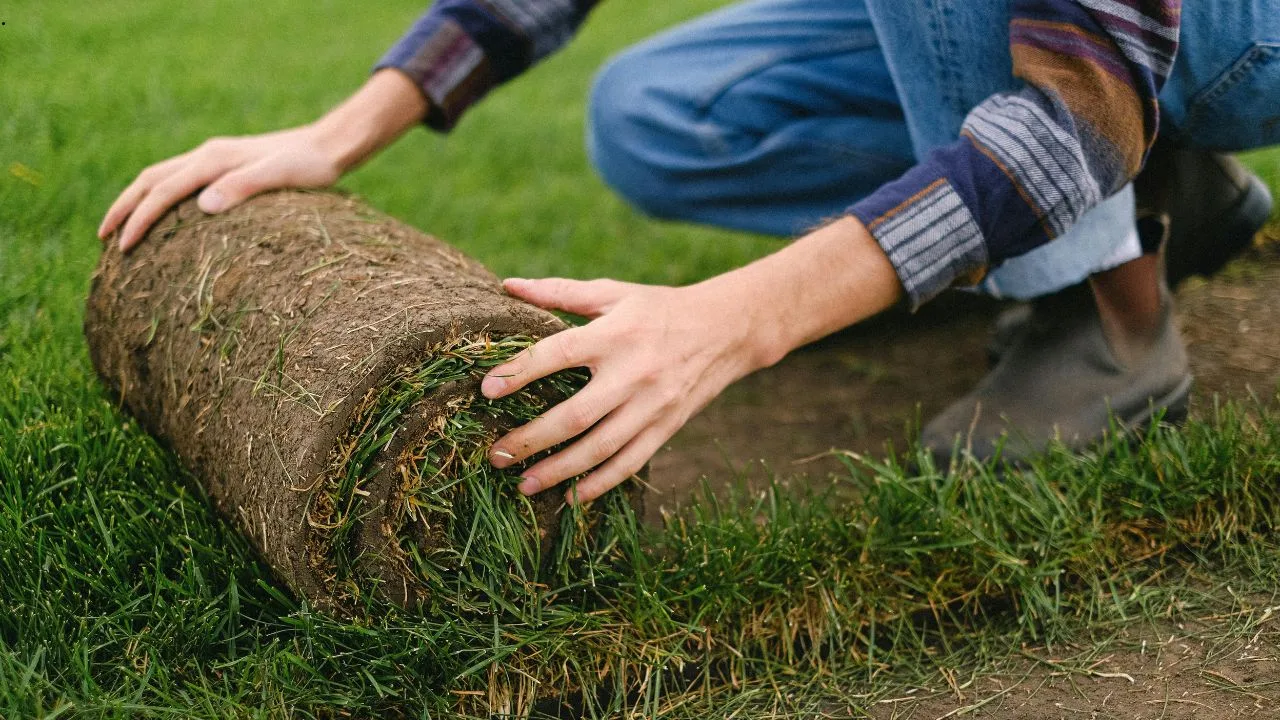
Fresh sod provides established grass plants and immediate coverage. It is not an impermeable barrier between the soil and the air. Existing growth that has not been dealt with, seeds in the soil and seeds arriving later can still influence the new lawn.
This is why we avoid describing sod installation as a one-time weed cure. The visible change can be dramatic, but the long-term result depends on the growing environment. If the new grass becomes thin or damaged, weeds may find opportunities in those spaces.
Our Cambridge sod installation service is a starting point for reviewing the lawn and the site conditions. We would connect the preparation scope to the actual problem rather than assume every weed-affected yard needs the same method.
Deal With the Existing Vegetation Appropriately
Preparation should be clear about what happens to the current lawn and weeds. Ask which material will be removed or worked, how disposal is handled and what conditions could change the scope. Vague wording such as “prepare area” can leave important assumptions unresolved.
A site with persistent weeds may need a different approach from a lawn with good soil and limited unwanted growth. We would explain that distinction and identify any work that needs specialist advice. Simply hiding intact problem areas beneath fresh rolls is not a dependable plan.
Keep Treatment Decisions Specific
Do not apply a product immediately before installation without discussing it with the installer. Product instructions can include restrictions related to planting, new turf, timing and use. Any treatment should be suitable for the identified plant and permitted for the intended use.
We would not recommend a pesticide recipe or an automatic spray programme from a general blog article. Where treatment is considered, follow applicable requirements and the current product label, with qualified advice as needed. More product is not a substitute for understanding the cause.
Examine the Borders Around the New Lawn
Garden beds, fence lines and adjoining unmanaged areas can contribute ongoing weed pressure. A new lawn may be well prepared while roots or seeds continue to arrive from its edges. Include those areas in the assessment even if they are outside the turf installation boundary.
Clarify who will maintain the beds and edges after the work. If their condition is outside the quote, that should be understood rather than discovered later. A tidy boundary also makes it easier to notice new growth before it spreads.
Avoid assuming that edging solves every type of weed. Its usefulness depends on the plant and the design. We would discuss the lawn as part of the surrounding landscape, not as an isolated green rectangle that will remain unaffected by everything beside it.
Support Dense Grass During Establishment
After installation, moisture, soil contact and sensible access support the new turf as it roots. Dry edges, loose joins and repeated traffic can weaken sections. Keeping the grass healthy helps it occupy the growing space, although no care routine guarantees that weeds will never appear.
Follow the site's aftercare plan and ask questions if it is unclear. Do not repeatedly lift the same piece to check roots, and do not keep watering saturated soil merely because the schedule says it is time. Observations should guide adjustments with the installer's advice.
Our sod installation options include preparation and aftercare information. We would use that guidance as part of a lawn-specific plan rather than separate weed prevention from the conditions needed for healthy grass.
Respond Early Without Damaging New Sod
If unwanted plants appear, take photos showing both the plant and the surrounding turf. Note when you first saw them and whether they are scattered or concentrated. That helps us discuss whether the issue relates to a border, an isolated patch or a wider pattern.
Avoid aggressive pulling when the sod is still loose. A small plant can be tangled with a fresh roll, and forceful removal may disturb more turf than expected. Ask for guidance before digging through joins or treating the whole new lawn.
Do not assume every unfamiliar shoot is the same weed seen before installation. Identification matters. Equally, do not accept a vague explanation if the growth is spreading rapidly or the surrounding turf is failing. The useful response is to review the evidence and agree on a specific next step.
Build Maintenance Around the Conditions of the Property
Once the lawn is ready for mowing, use appropriate mowing practices and keep the blade sharp. Cutting too much growth at once or repeatedly scalping an uneven area can stress the grass. The correct height depends on the turf and season, so follow the guidance for the installed lawn.
Review recurring shade, wear and moisture problems. A section that cannot support dense grass may continue to invite unwanted growth despite repeated replacement. In that case, changing the use or layout of the area may be more sensible than another identical renovation.
Fertilizer decisions should reflect the turf, soil information and what has already been applied. We do not recommend adding products whenever a weed appears. Keep a record of installation materials and treatments so future maintenance is based on known information rather than guesswork.
Set Useful Expectations Before Work Begins
Discuss what the installer is responsible for and what belongs to ongoing property care. If there is a warranty or follow-up arrangement, read its actual terms and ask how concerns should be reported. Do not infer a weed-free guarantee from the fact that the lawn looks clean at handover.
A successful plan should make the preparation clear, explain the limits and provide a workable care routine. Natural turf changes with its environment. Early observation and prompt communication are more useful than treating every new plant as proof that the whole project has failed.