
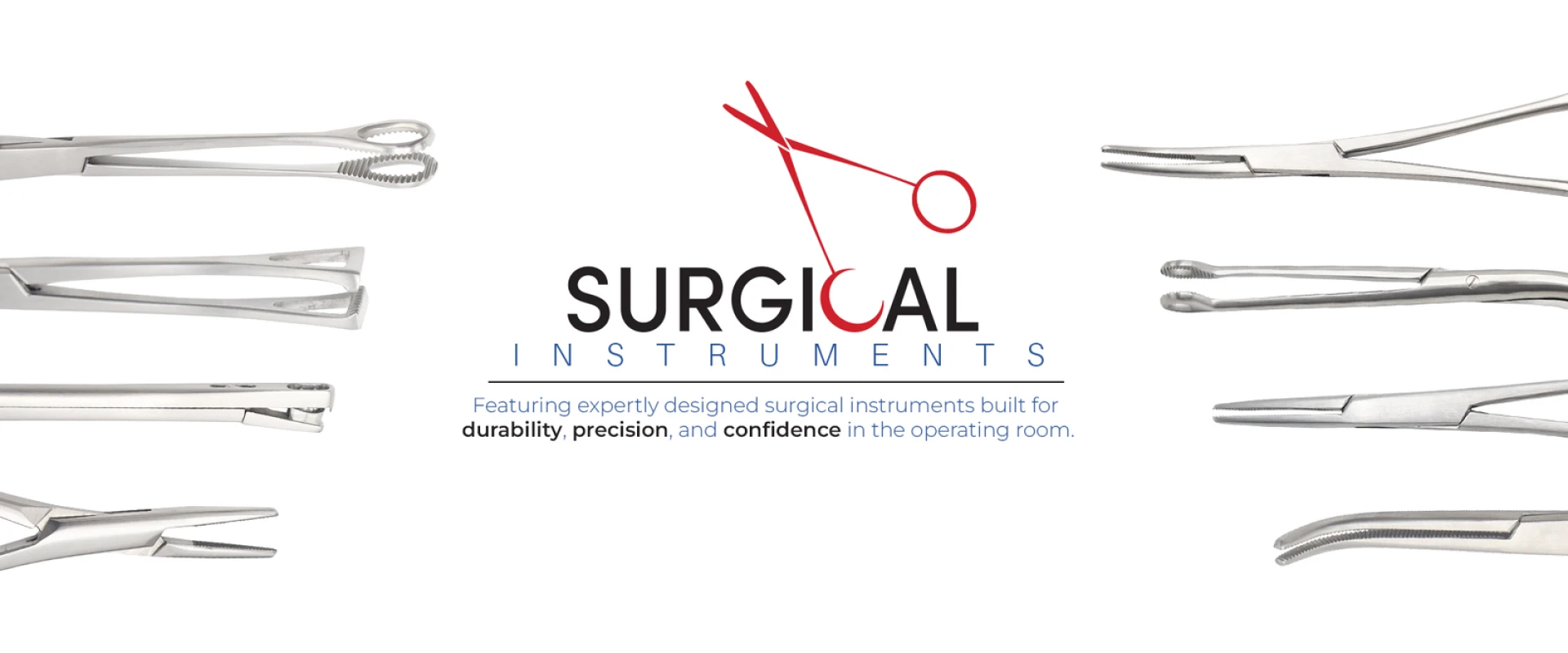
Surgical tools are at the heart of every procedure, and the decision to use disposable or reusable instruments is an important one for healthcare providers. A surgical supply store that offers both options allows hospitals and clinics to choose the best tools for specific situations. Stocking both disposable and reusable tools not only meets diverse clinical needs but also supports patient safety, efficiency, and cost management.
1. Meeting Different Clinical Needs:
Not every surgical situation is the same. Disposable instruments are ideal for single-use procedures, emergency situations, or settings where infection control is a top priority. Reusable tools, on the other hand, are designed for durability and repeated use, making them suitable for routine surgeries where proper sterilization is guaranteed. By stocking both, a supply store ensures healthcare facilities have flexible choices tailored to different clinical requirements.
2. Supporting Infection Control and Patient Safety:
Disposable tools significantly reduce the risk of cross-contamination and hospital-acquired infections, since they are used only once and then discarded. This makes them invaluable in high-risk cases or during outbreaks of infectious diseases. Reusable instruments, while safe when sterilized correctly, depend heavily on rigorous cleaning protocols. Offering both options allows hospitals to prioritize patient safety based on the level of risk in each procedure.
3. Balancing Cost Efficiency:
Cost is a major factor in surgical supply decisions. Disposable tools often have lower upfront costs but need continuous repurchasing, which can add up over time. Reusable tools require higher initial investment but become cost-effective with repeated use. Stocking both gives healthcare facilities the flexibility to manage budgets more effectively—choosing disposables when sterility is critical and reusables when long-term savings are possible.
4. Addressing Time and Workflow Efficiency:
In busy surgical environments, time matters. Disposable instruments save time by eliminating the need for cleaning and sterilization, making them particularly useful in high-volume or emergency settings. Reusable tools, while requiring processing time, are often more robust and precise, which can improve efficiency during complex surgeries. By offering both options, a surgical supply store helps medical staff streamline workflows without compromising quality.
5. Supporting Sustainability Goals:
Environmental impact is another consideration. Reusable tools reduce medical waste and support long-term sustainability efforts, while disposables contribute to higher waste volumes but may be necessary for infection control. A store that stocks both options allows hospitals to strike a balance between patient safety and eco-friendly practices, choosing disposables when essential and reusables where sustainability is possible.
6. Keeping Up with Industry Standards:
Healthcare regulations and best practices vary across regions and facilities. Some institutions prioritize disposable tools for infection prevention, while others focus on reusable tools for cost and environmental benefits. A surgical supply store that offers both ensures it can meet the compliance requirements of different customers, remaining relevant in a competitive healthcare market.
Conclusion:
Stocking both disposable and reusable tools is not just about variety—it is about meeting the full spectrum of needs that healthcare providers face daily. Disposables enhance infection control and save time, while reusables offer cost savings and sustainability. A surgical supply store that offers both empowers hospitals and clinics to choose wisely for each situation, ensuring patient safety, efficiency, and financial balance. Ultimately, having access to both options makes the store a more trusted and indispensable partner in modern healthcare.