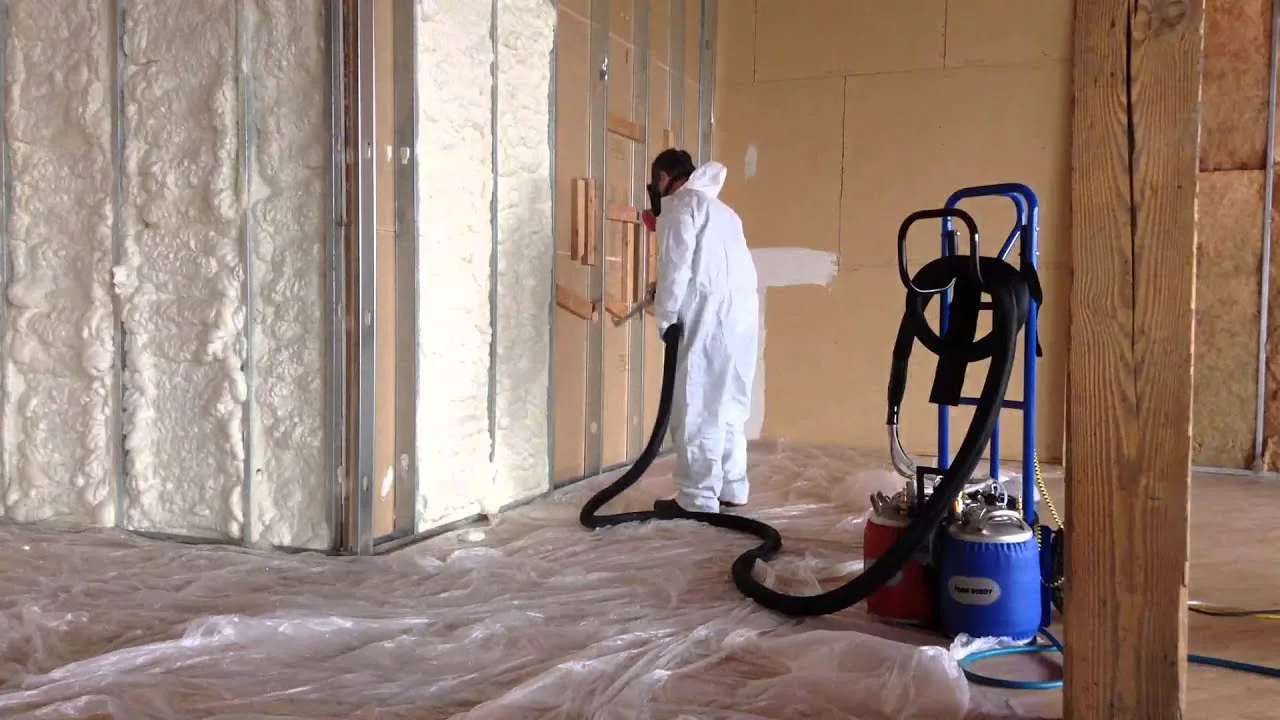
An HVAC system is frequently oversized because it was originally installed to compensate for a leaky or poorly protected building envelope. When a structure lacks proper thermal resistance, contractors often specify larger units to overcome rapid heat gain or loss, yet this leads to inefficiency and discomfort. Professional insulation services for energy savings address the root cause by stabilizing indoor temperatures, allowing the heating and cooling equipment to operate at a lower load and maintain consistent comfort without constant cycling.
You often notice your air conditioning or heating systems turning on and off rapidly throughout the day. This phenomenon happens when a unit has too much capacity for the space it serves. While a larger unit might seem like a benefit for reaching desired temperatures quickly, it actually prevents the system from completing long enough cycles to remove humidity or balance the air effectively. Understanding how insulation affects HVAC sizing is the first step toward creating a more efficient and durable home environment. Expert home insulation services in Kyle Canyon focus on tightening the building shell so that the mechanical systems do not have to work as hard to fight outside elements.
The Mechanics of HVAC Oversizing and System Stress
In many residential builds, HVAC units are sized based on rules of thumb rather than detailed calculations. Contractors might assume a certain amount of square footage requires a specific tonnage without accounting for the actual thermal performance of the walls and ceilings. If a building leaks air or has thin insulation, the math shifts toward bigger machines. This leads to short cycling, where the unit reaches the thermostat setting in minutes and shuts down before it can properly dehumidify the air.
Short cycling places immense mechanical stress on the compressor and fan motor. Most of the wear and tear on an HVAC system occurs during the startup phase. When an oversized unit starts twenty times a day instead of five, its operational life spans decrease significantly. Market data suggests that systems subjected to constant short cycling may see their functional lifespan reduced by up to 30 percent. Furthermore, these frequent starts consume a massive amount of electricity, as the initial power draw for a motor is much higher than the energy required to keep it running at a steady state.
How Insulation Affects HVAC Sizing Requirements
Thermal resistance, measured as R-value, dictates how much heat passes through the barriers of a home. When a property uses high quality insulation, the rate of heat transfer slows down. This creates a more stable interior environment where the air temperature does not fluctuate wildly the moment the HVAC turns off. By using an HVAC efficiency insulation company to upgrade the building shell, the total BTU (British Thermal Unit) requirement for the home drops.
A smaller heating and cooling load means a smaller unit can satisfy the demand. Modern energy codes often require a Manual J calculation, which is a formal process to determine the exact heating and cooling needs of a building. This calculation takes into account the windows, orientation, and the performance of the insulation. When high performance materials are used, the results often show that a two ton unit can do the work that previously required a four ton unit. This reduction in equipment size lowers the initial purchase price of the HVAC system and reduces monthly operating costs.
Benefits of Insulation for HVAC Efficiency
Improving the building envelope provides several benefits for HVAC efficiency that go beyond just lowering the bill. One of the most noticeable changes is the improvement in air quality and humidity control. Because a right sized unit runs for longer periods, it pulls more moisture out of the air. This prevents the "cold and damp" feeling often found in homes with oversized air conditioners.
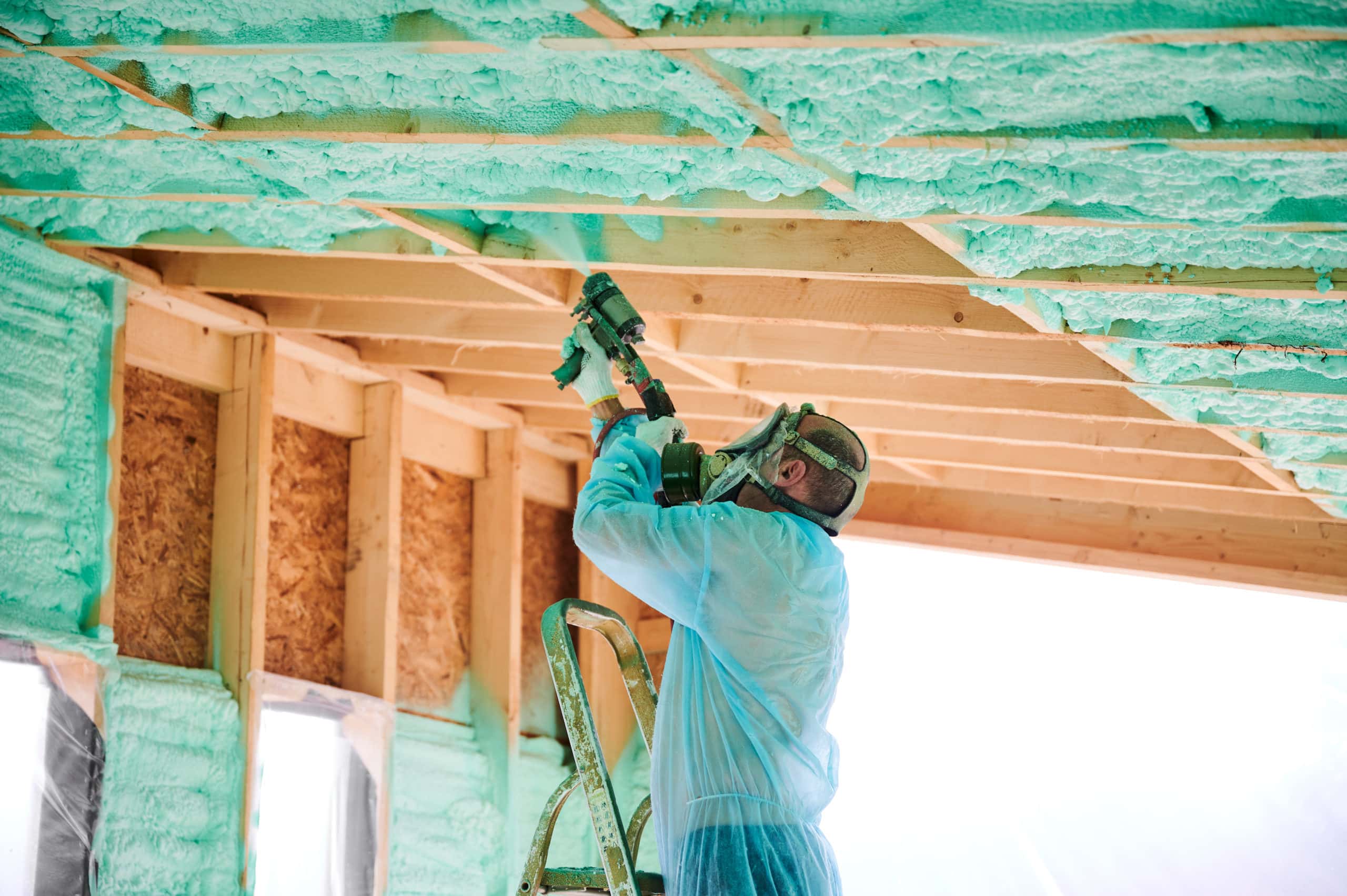
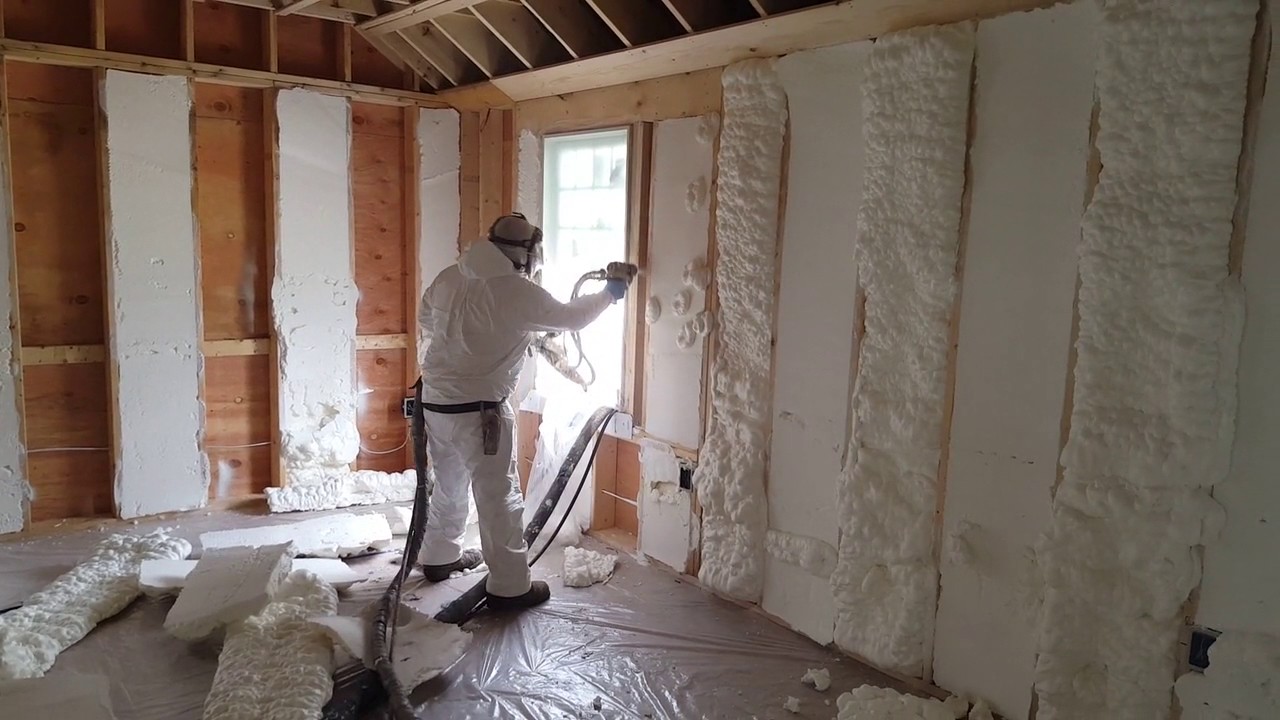
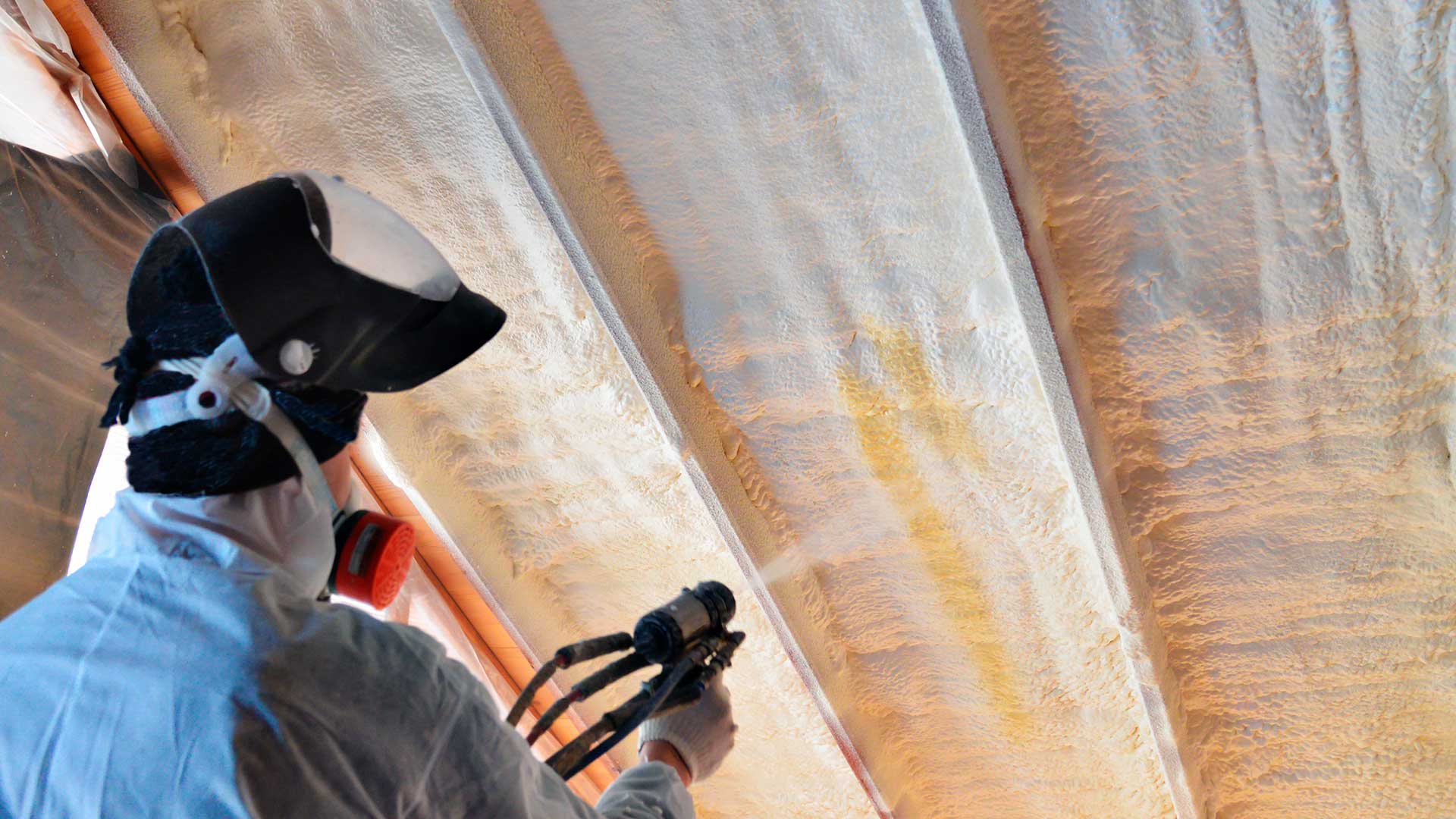
The best insulation for temperature control homes, such as spray foam, also acts as an air barrier. It stops dust, pollen, and outdoor pollutants from entering through small cracks in the wall assemblies. This reduces the load on the HVAC filters and keeps the internal coils cleaner. When the system stays clean, it transfers heat more effectively, which further boosts its performance.
Regional Guidance for High Temperature Climates
In regions like the Mojave Desert or Southern Nevada, the sun creates an intense thermal load on the roof. Temperatures in uninsulated spaces can reach over 140 degrees Fahrenheit. This heat radiates downward into the living space, forcing the HVAC to run almost constantly. In these environments, specialists suggest focusing on the roof deck or the ceiling to block radiant heat.
Using insulation services for energy savings in desert climates involves more than just adding bulk material. It requires creating a thermal break that prevents the searing outdoor heat from migrating into the ductwork. If the ducts are located in a hot area, the air inside them warms up before it ever reaches the vents. Proper insulation around these areas ensures that the energy used to cool the air is not wasted before it reaches the occupants.
Bonus Tip: In hot climates, choosing insulation with a high aged R-value is essential. Some materials lose effectiveness over time as they settle, but high density options maintain their thermal resistance for decades.
Things to Consider Before Making a Decision
Before investing in new equipment or insulation, several factors should be reviewed to ensure the best outcome for the property:
- Current Duct Integrity: Even the best insulation cannot fix a system if 20 percent of the air is leaking out of the ducts before it enters the room.
- Window Performance: Old, single pane windows can negate some of the gains made by new wall insulation.
- The Age of the HVAC: If the unit is nearly twenty years old, it may be better to upgrade the insulation first and then install a smaller, high efficiency unit.
- Air Sealing Needs: Insulation prevents heat transfer, but air sealing prevents actual air movement. Both are needed to reduce HVAC load with proper insulation.
- Local Rebates: Many utility companies offer incentives for upgrading insulation because it reduces the strain on the electrical grid during peak hours.
Strategic Home Upgrades for Long Term Savings
Reducing the load on a building is a more sustainable strategy than simply buying a bigger heater or air conditioner. When the shell of a house is tight and well insulated, the mechanical systems become secondary support rather than primary combatants against the weather. Experience shows that homeowners who prioritize insulation often see a faster return on investment through lower utility bills and fewer HVAC repair calls.
You should look at your home as a single system where the insulation and the HVAC work in tandem. By addressing the thermal weaknesses in the walls and ceilings, they create an environment where smaller, quieter, and more efficient machines can thrive. This approach leads to a more comfortable living space and a significantly lower carbon footprint over the life of the building.
Helpful Resources for Home Efficiency
For those looking to improve their indoor comfort and reduce energy waste, Supreme Spray Foam LV offers professional guidance on the most effective materials for the local climate. Their team assists property owners in identifying thermal gaps that lead to HVAC inefficiencies. To learn more about their services or to schedule an assessment, the company can be reached at [email protected] or by calling (702) 904-9895. Information regarding their location and service area is also available at https://goo.gl/maps/bZBLRsqDDbUC4KaJ8 for those seeking a local contractor.
Frequently Asked Questions
Why does an oversized HVAC make my house feel humid?
An oversized unit cools the air so quickly that it shuts off before it has time to pull moisture out of the air.
Can I just add more insulation to fix a noisy AC?
Adding insulation reduces the time the AC needs to run, which limits the noise from frequent starting and stopping.
How do I know if my insulation is the cause of my high bills?
If your HVAC runs constantly but the house still feels warm or cold, your insulation is likely failing to hold the conditioned air.
Is spray foam better than fiberglass for reducing HVAC size?
Spray foam typically provides a better air seal, which more effectively reduces the heating and cooling load for smaller equipment.
Should I replace my HVAC or my insulation first?
Professionals generally recommend upgrading insulation first so you can accurately size a smaller, more affordable HVAC unit afterward.