
Most vehicle owners trust locks to keep their cars safe. Door locks, alarms, and keyless entry systems give a sense of control. You lock the door, hear the sound, and move on with your day believing the vehicle is secure.
Real life does not always work that way. Locks fail more often than people expect. Mechanical parts wear down. Electronic systems stop responding. Human error plays a role. Thieves also keep finding new ways to get around locks without causing damage.
That is where vehicle tracking devices become important. They do not replace locks or alarms. Instead, they work as a backup when those systems fail. A tracking device continues to watch the vehicle, report movement, and share location details even when locks stop doing their job.
The Reality: Locks Don’t Always Work
Locks are useful, but they are not foolproof. Several common issues reduce their reliability over time.
Mechanical and Electrical Failures
Vehicle locks rely on physical parts and electrical systems. With regular use, these parts weaken.
Common lock problems :
- Worn-out lock mechanisms
- Damaged wiring inside doors
- Weak or dead batteries in key fobs
- Sensors that stop responding
These issues often happen quietly. Sometimes a lock stops working quietly, and you don’t realize anything is wrong until the vehicle is already gone.
Human Error
Even the most reliable locks can’t protect a car if someone forgets to lock the doors. Life gets busy, distractions happen, and mistakes are normal.
Examples of common errors :
- Forgetting to lock the vehicle
- Assuming the remote lock worked when it didn’t
- Losing keys or using weak key fob batteries
One small mistake can leave a vehicle exposed.
Modern Theft Methods
Today’s thieves rarely rely on force. Many use tools that copy or relay key signals to unlock vehicles silently.
These methods often leave:
- No broken windows
- No damaged locks
- No alarm sound
The vehicle disappears without drawing attention.
No Warning After Failure
When a lock fails, there is no alert. You do not receive a message or notification. The problem only becomes clear when the vehicle is missing.
Locks prevent access, but they do not report activity. Tracking systems do.
What Is a Vehicle Tracking Device?
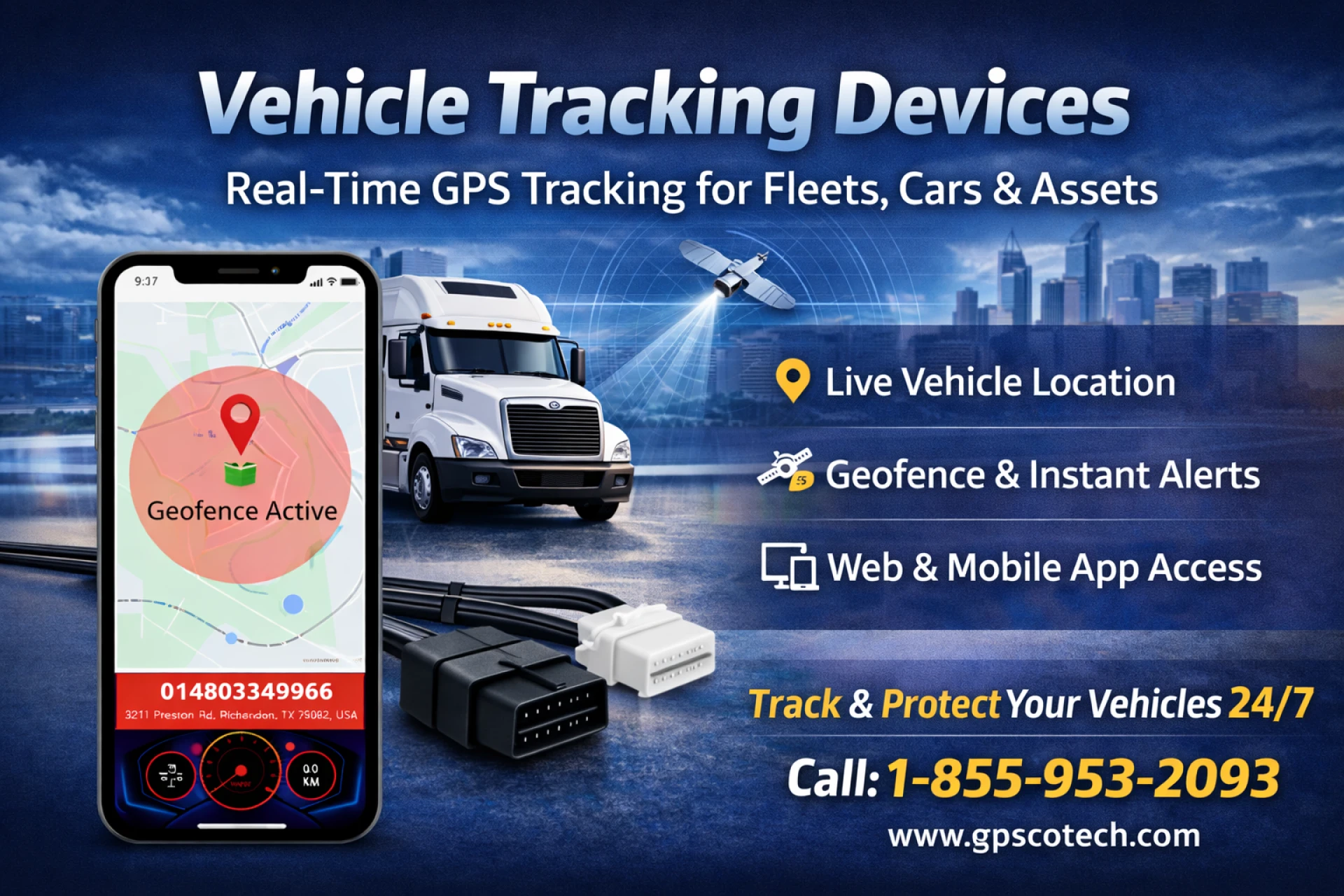
A vehicle tracking device is a compact unit installed inside a vehicle to monitor its location and movement. It works in the background without affecting daily driving.
How Tracking Devices Work
Most tracking systems follow a simple process:
- The device receives location data from GPS satellites
- It sends this data through a mobile network
- The owner views updates on a mobile app or web dashboard
- Alerts are sent when preset rules are broken
Some devices connect to the vehicle’s power supply, while others include an internal battery. Many are installed in hidden areas to reduce the risk of removal.
Why Tracking Devices Are a Smart Backup When Locks Fail
When locks stop protecting the vehicle, tracking devices continue to do their job. This is where they add real value.
Real-Time Location Tracking
If a vehicle moves without permission, the tracking system shows its location instantly. Owners do not have to wait or guess where the vehicle might be.
This real-time view helps people take action faster and if recovery is needed then they can share the accurate information.
Alerts for Unauthorized Movement
Tracking systems can be set to send alerts for unusual activity. These alerts help owners stay informed without constant checking.
Common alert triggers include:
- Vehicle ignition without approval
- Movement during unusual hours
- Exiting a defined area
- Speed crossing set limits
These alerts reduce response time and increase the chance of early action.
Protection Even If Locks Are Bypassed
When thieves unlock vehicles using copied signals or stolen keys, locks offer no resistance. Tracking devices still work because they operate independently.
Many trackers are hidden deep inside the vehicle, making them hard to find quickly. Even when access systems fail completely, tracking often continues.
Clear Movement History
Tracking systems keep a record of the vehicle’s routes and stops, so owners can easily see:
- Where the vehicle has been
- How long it stayed at each location
- The exact times it started and stopped moving
Having this information makes it easier to recover the vehicle and can also help with insurance claims.
Benefits Beyond Theft Protection
Tracking devices are helpful even when your vehicle is parked safely and nothing seems wrong.
Geofencing
Geofencing lets owners mark virtual boundaries on a map and receive alerts whenever the vehicle enters or leaves those areas.
This feature is especially useful for:
- Family vehicles
- Teen drivers
- Shared or company cars
It improves awareness without being intrusive.
Driving Behavior Insights
Some tracking systems provide data on driving habits. These insights can include speed trends, sharp braking, and long time periods.
This helps drivers improve habits, reduce fuel use, and limit wear on vehicle parts.
Maintenance Awareness
Certain trackers send alerts related to vehicle health or battery status and these reminders help owners schedule maintenance before problems grow.
Peace of Mind
When you track your vehicle at any moment, it helps you feel secure and informed instead of feeling stressed.
Frequently Asked Questions
What happens when a vehicle with a tracking system is stolen?
The device continues to send the location updates and these alerts show the movement of the vehicle and improve the chances of recovery.
How does a tracking device work on a vehicle?
It uses GPS to determine the location and sends that data through a mobile network. Owners view updates on an app or web platform.
What blocks a GPS tracker?
Signals may drop in tunnels, parking garages, or dense buildings. Once the vehicle returns to open space, then the tracker reconnects and resumes reporting.
Do vehicle trackers drain the battery?
Most trackers use minimal power. When installed correctly, they do not cause battery issues.
Conclusion: Why These Devices Are Essential Today
Locks remain important, but they are no longer enough on their own. They fail due to wear, signal misuse, and human error.
Even if locks fail, owners can rely on vehicle tracking devices from GPSCoTech for live updates, alerts, and detailed movement records, keeping them informed and able to respond quickly.
Strong vehicle safety relies on layers of protection. Locks act first. Tracking steps in when locks fall short.