For decades, a mountain vacation followed a familiar pattern: book a hotel, visit a few sightseeing spots, take photographs, and return home. Today, however, travelers are seeking something very different. They no longer want to simply see a destination; they want to experience it.
Across the Himalayas, a noticeable shift is taking place. Travelers are moving away from conventional hotel stays and choosing accommodations that offer deeper connections with nature, local culture, and meaningful experiences. Whether it's sleeping beneath a sky full of stars, sharing stories around a bonfire, participating in local traditions, or waking up to panoramic mountain views, the modern traveler values memories more than amenities.
This transformation is reshaping tourism throughout the Himalayan region and changing the way people think about travel itself.
The Rise of Experience-Driven Travel
The modern traveler is more informed and adventurous than ever before. Social media, travel communities, and digital storytelling have exposed people to unique experiences beyond traditional tourism.
Instead of asking, "Which hotel should I book?" travelers are increasingly asking:
- What can I experience there?
- What makes this destination unique?
- How can I connect with local culture?
- What stories will I bring back home?
This mindset has fueled the growth of experiential tourism, where the focus shifts from accommodation to immersion. The place where travelers stay becomes part of the journey rather than simply a place to sleep.
Why the Himalayas Are Perfect for Experiential Travel
Few destinations lend themselves to immersive travel experiences as naturally as the Himalayas.
Stretching across multiple regions and cultures, the Himalayas offer dramatic landscapes, remote villages, ancient traditions, and a slower pace of life that many urban travelers find refreshing.
Unlike crowded tourist hubs, many Himalayan destinations allow visitors to disconnect from daily routines and reconnect with nature. The mountains encourage exploration, reflection, and genuine interaction with local communities.
Travelers often discover that the most memorable moments aren't found in guidebooks. They emerge during an unexpected conversation with a local resident, a sunrise viewed from a mountain ridge, or a quiet evening spent beneath a sky illuminated by countless stars.
The Growing Popularity of Glamping
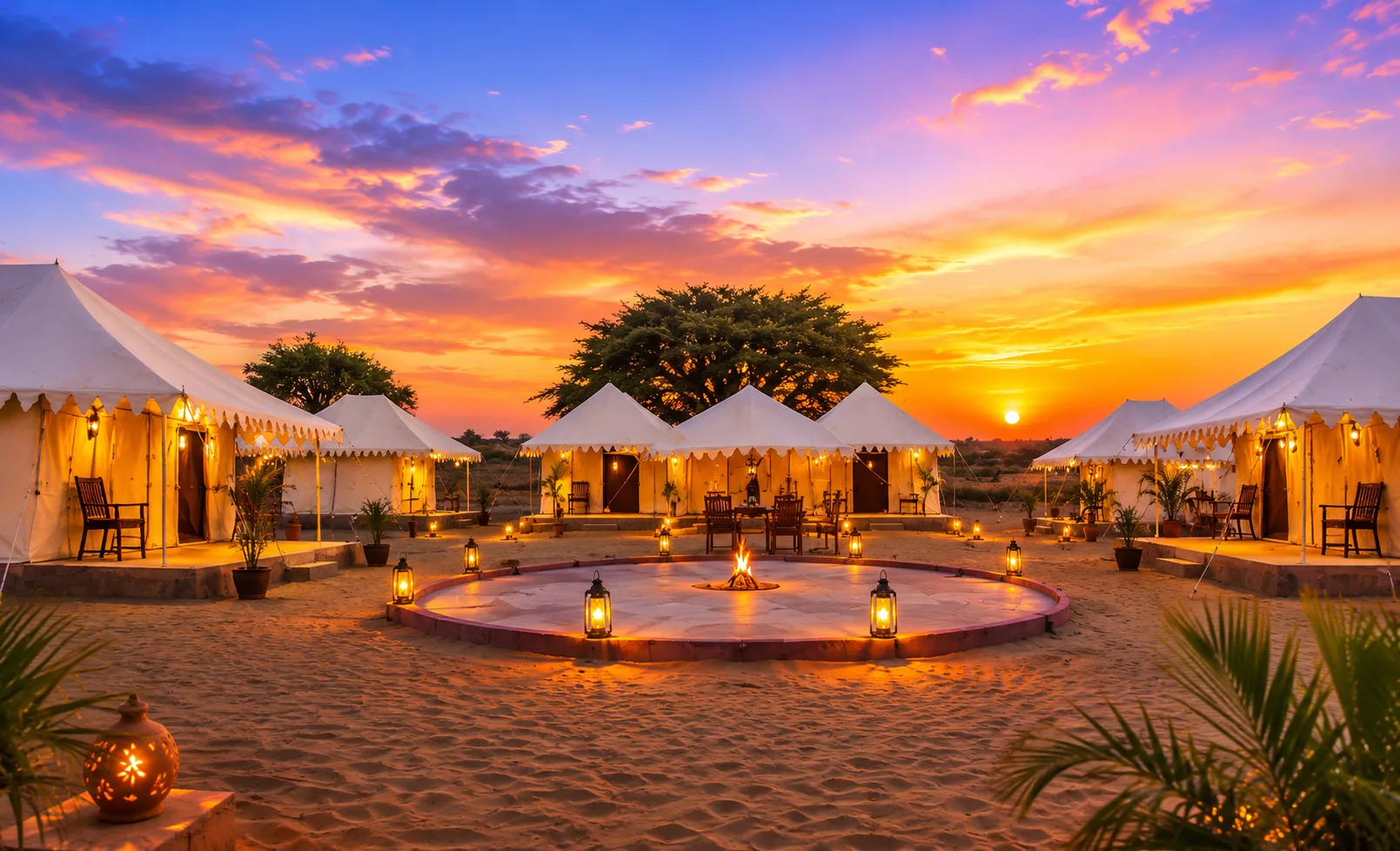
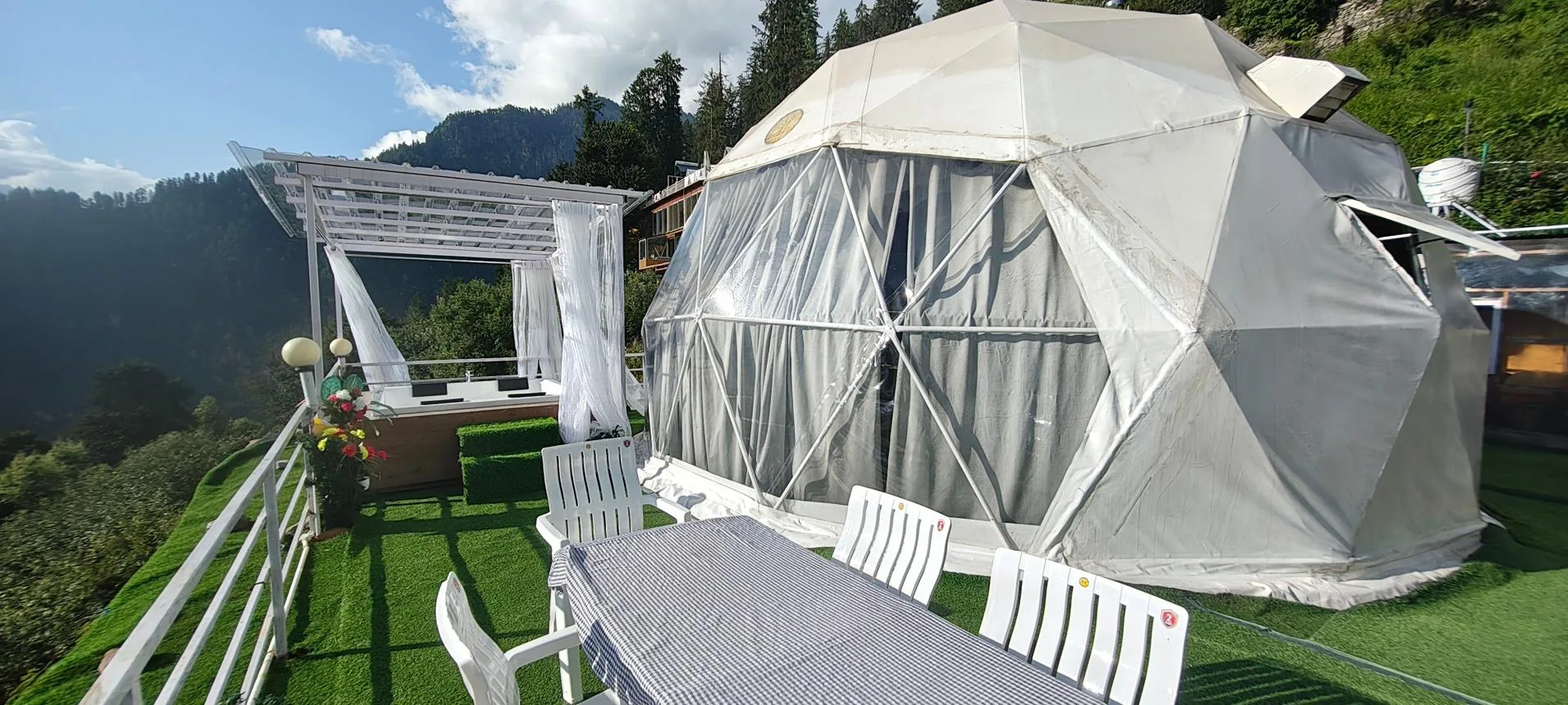
One of the most significant developments in Himalayan tourism is the rise of glamping—a blend of glamour and camping.
Traditional camping offers adventure but often lacks comfort. Hotels provide convenience but may feel disconnected from nature. Glamping bridges this gap by combining outdoor immersion with modern comforts.
Travelers can enjoy:
- Panoramic mountain views
- Comfortable beds
- Private spaces
- Unique architecture
- Nature-focused experiences
- Stargazing opportunities
The appeal is simple. Guests experience the beauty of the outdoors without sacrificing basic comforts.
For many travelers, glamping creates a stronger emotional connection with a destination because it allows them to remain immersed in the environment throughout their stay.
Nature Has Become a Luxury
In major cities, people are surrounded by traffic, screens, notifications, and constant noise. As a result, silence has become rare.
The Himalayas offer something increasingly valuable: peace.
Many travelers now view access to nature as a luxury experience. Rather than seeking crowded attractions, they seek open spaces, fresh mountain air, forest trails, and uninterrupted views.
Research on tourism behavior has repeatedly shown that travelers are increasingly drawn to authentic and meaningful experiences rather than standardized offerings. Destinations that facilitate genuine engagement often create stronger visitor satisfaction and long-term appeal.
This explains why mountain retreats, eco-stays, and remote accommodations continue to attract growing interest.
Authentic Local Experiences Matter More Than Ever
Another reason experiential travel is thriving is the desire for authenticity.
Modern travelers are becoming increasingly curious about offbeat stays, local traditions, food, lifestyles, and history. They want experiences that cannot be replicated elsewhere.
In Himalayan destinations, visitors may:
- Learn about traditional mountain architecture
- Taste regional cuisine
- Participate in local festivals
- Discover traditional farming practices
- Explore lesser-known villages
- Hear stories passed down through generations
These experiences create a richer understanding of a destination and often become the highlights of a trip.
Authenticity creates emotional value, and emotional value is what travelers remember long after a vacation ends.
Remote Work Has Changed Travel Habits
The rise of remote work has also contributed to the popularity of experiential stays.
Many professionals are no longer restricted to short vacations. Instead, they spend weeks or even months working from mountain destinations.
This trend has encouraged travelers to prioritize:
- Scenic surroundings
- Mental well-being
- Outdoor activities
- Work-life balance
- Community experiences
For remote workers, the destination itself becomes part of their daily routine rather than a brief escape.
A mountain sunrise before work or an evening walk through a village can significantly improve quality of life and create a more fulfilling travel experience.
Sustainability Is Influencing Travel Decisions
Environmental awareness is another factor shaping modern tourism.
Many travelers are becoming conscious of how their choices affect local communities and ecosystems. As a result, they increasingly support accommodations and tourism experiences that emphasize sustainability.
Responsible tourism practices may include:
- Supporting local employment
- Minimizing environmental impact
- Conserving natural resources
- Promoting local culture
- Encouraging responsible travel behavior
Travelers often feel more connected to destinations that prioritize sustainability because they know their visit contributes positively to the region.
The Power of Unforgettable Memories
When people look back on their travels, they rarely remember hotel room dimensions or lobby décor.
Instead, they remember experiences.
They remember watching clouds drift across mountain peaks. They remember sharing tea with local residents. They remember sitting around a bonfire while listening to stories beneath a star-filled sky.
Experiences create emotional connections, and emotional connections create lasting memories.
This fundamental truth is driving the transformation of travel across the Himalayas and beyond.
The Future of Himalayan Tourism
The future of Himalayan tourism appears increasingly experience-focused.
Travelers are seeking deeper engagement, greater authenticity, and stronger connections with nature. Traditional hotels will continue to play an important role, but the fastest-growing segment of mountain tourism is likely to be centered around immersive experiences.
Destinations that combine comfort with authenticity, adventure with sustainability, and luxury with meaningful engagement will continue to attract modern travelers.
The Himalayas offer something that many people struggle to find in their everyday lives: simplicity, wonder, and connection.
And in an age where experiences matter more than possessions, that may be the greatest luxury of all.
Final Thoughts
The shift from conventional hotels to experience-driven stays is not just a travel trend. It reflects a broader change in what people value.
Today's travelers want stories instead of itineraries, connections instead of checklists, and memories instead of mere accommodation.
The Himalayas, with their breathtaking landscapes and rich cultural heritage, provide the perfect setting for this evolution in travel.
As experiential tourism continues to grow, one thing is clear: travelers are no longer searching only for a place to stay—they are searching for a place to feel something unforgettable.