Traditional batt insulation struggles to match the air sealing performance of open cell spray foam, especially in climates like Atwater, CA where heat gain and air leakage are common concerns. Open cell spray foam expands to fill gaps, creating a continuous air barrier that batts simply cannot achieve.
For property owners dealing with uneven temperatures and high cooling costs, this difference directly affects comfort and energy efficiency. This article explains why batts fall short, how spray foam performs better, and what factors should guide your insulation decisions in Atwater.
Industry professionals with field experience in Central California continue to point out that controlling air movement, not just adding insulation, is the key to better building performance.
How Traditional Batts Work And Where They Fall Short
Batt insulation, usually made from fiberglass or mineral wool, works by slowing heat transfer. It is installed between wall studs, ceiling joists, and floor cavities.
While batts provide basic thermal resistance, they depend heavily on proper installation. Even small gaps or compression issues reduce their effectiveness.
Common Limitations Of Batt Insulation
- Gaps around wiring, pipes, and framing
- Air leakage through seams and edges
- Reduced performance when compressed
- Limited ability to block airflow
These issues are common in both new and older buildings, especially when installation is rushed or uneven.
In areas like Atwater, where summer temperatures often exceed 90°F, these gaps allow hot air to enter, increasing the load on cooling systems.
What Makes Open Cell Spray Foam Different
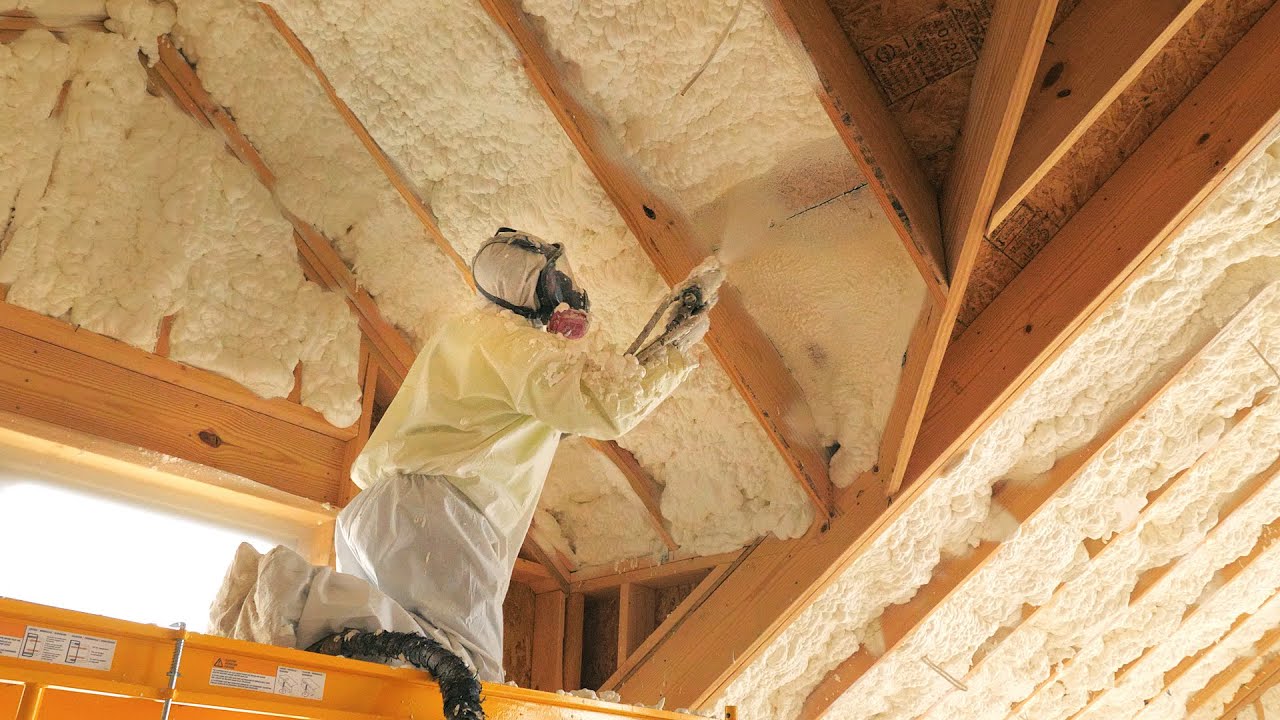
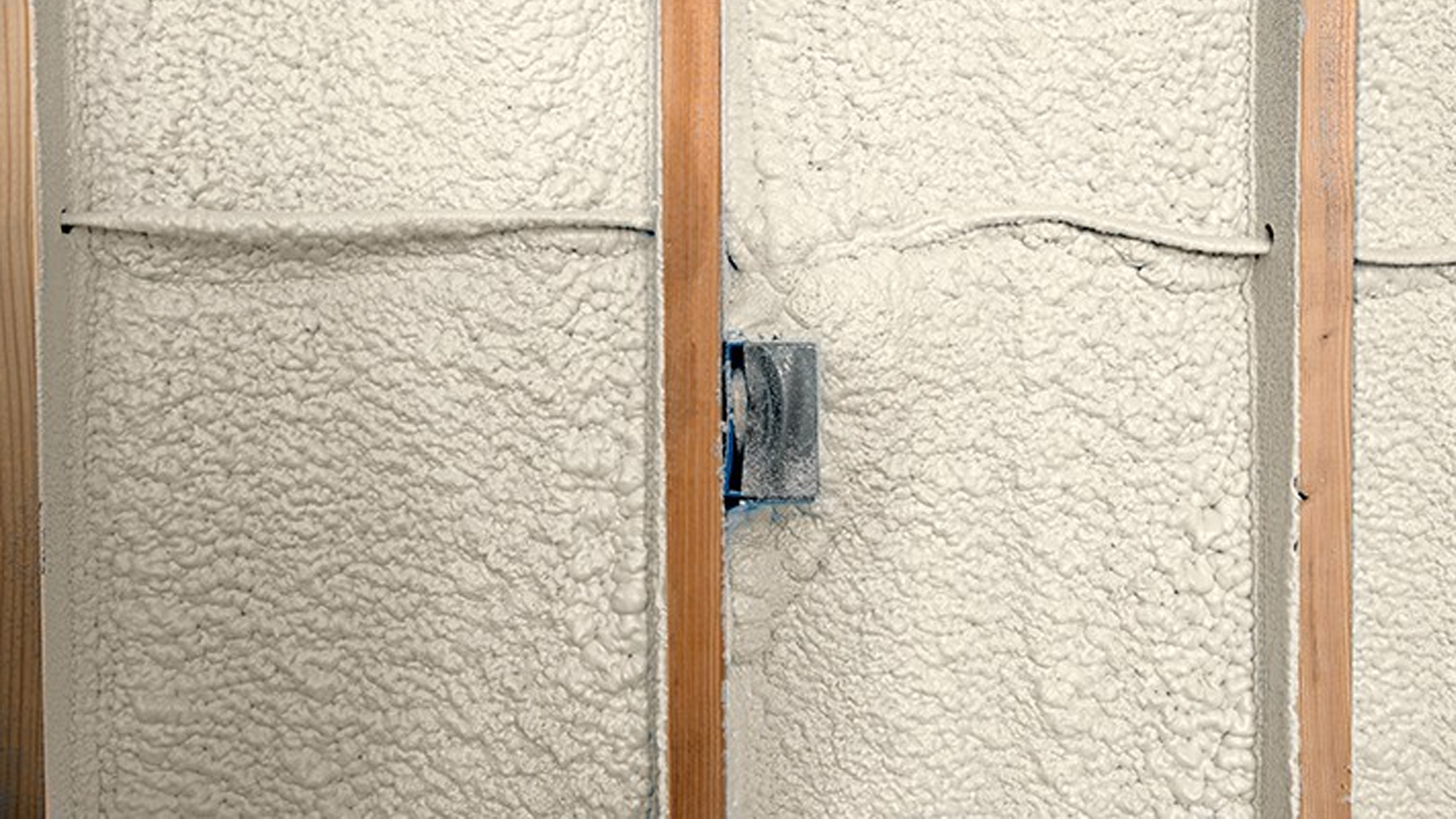
Open cell spray foam is applied as a liquid that expands into a soft, dense foam. It fills cracks, voids, and irregular spaces, creating both insulation and air sealing in one step.
Unlike batts, it does not rely on perfect placement. It naturally adapts to the structure during installation.
Key Performance Advantages
- Expands to seal small and large gaps
- Creates a continuous air barrier
- Improves indoor temperature stability
- Reduces outside noise infiltration
This ability to seal air leaks is what sets spray foam apart from traditional materials.
Air Sealing Makes The Biggest Difference
Air leakage is one of the main causes of energy loss in buildings. Studies show that air leaks can account for up to 30 percent of heating and cooling energy use.
Batts do not stop airflow effectively, which allows conditioned air to escape and outdoor air to enter.
Why Air Sealing Matters In Atwater, CA
- Hot outdoor air enters during summer
- Cool indoor air escapes through gaps
- HVAC systems run longer to compensate
Open cell spray foam insulation in Atwater, CA addresses these issues by sealing the building envelope, not just insulating it.
A practical tip is to focus on sealing attics and wall cavities first, as these areas contribute most to air leakage.
How Spray Foam Reduces Energy Costs
Energy efficiency is one of the main reasons businesses and homeowners switch to spray foam insulation. By sealing air leaks, it reduces the workload on HVAC systems.
Recent data shows that buildings with proper air sealing can reduce energy consumption by 15 to 25 percent annually.
Where Savings Come From
- Less air leakage reduces cooling demand
- HVAC systems cycle less frequently
- Indoor temperatures remain consistent
In a hot climate like Atwater, these savings can be noticeable within the first year.
Climate Conditions In Atwater, CA Favor Spray Foam
Atwater experiences long, hot summers and mild winters. This climate increases the importance of preventing heat infiltration.
Challenges In Local Buildings
- High attic temperatures during summer
- Heat gain through walls and roofs
- Air leaks around older construction
Spray foam performs well in these conditions because it seals gaps and limits heat transfer.
Batts, on the other hand, cannot stop air movement, which reduces their effectiveness in extreme heat.
Bonus Tip
Focus on attic insulation upgrades first in Atwater homes, as this area often contributes the most to heat gain.
Installation Differences That Impact Results
Installation quality affects both batt insulation and spray foam, but the margin for error is much higher with batts.
Batt Installation Challenges
- Requires precise cutting and fitting
- Easily leaves gaps around obstacles
- Performance depends on installer skill
Spray Foam Application Benefits
- Expands automatically to fill spaces
- Adapts to irregular surfaces
- Reduces installation errors
This difference makes spray foam more reliable in achieving consistent results.
What You Should Evaluate Before Choosing Insulation
Choosing between batts and spray foam requires careful evaluation of building needs and conditions.
Key Factors To Review
- Budget and expected energy savings
- Age and condition of the building
- Climate and seasonal temperature changes
- Existing insulation performance
Performance Vs Cost Consideration
While spray foam has a higher upfront cost, it often delivers better long-term value through energy savings and durability.
Another useful tip is to request an inspection to identify air leakage points before selecting insulation.
Market Trends Supporting Spray Foam Growth
The demand for spray foam insulation continues to increase as energy efficiency standards become stricter. The global spray foam market is growing at a steady rate of over 5 percent annually.
At the same time, property owners are prioritizing insulation systems that provide both thermal resistance and air sealing.
This trend reflects a shift from basic insulation toward high-performance building envelopes.
Practical Steps To Upgrade Insulation In Atwater
Improving insulation performance requires a structured approach. Property owners benefit from evaluating current conditions before making changes.
Recommended Steps
- Conduct an energy audit
- Identify air leakage areas
- Compare insulation options
- Select experienced installers
- Monitor energy performance after upgrades
This process helps ensure that insulation upgrades deliver measurable results.
Making A Smart Choice With Expert Support And Free Quote Options
Property owners in Atwater looking to improve insulation performance can benefit from working with experienced professionals. Supreme Spray Foam – Fresno provides assessments and installation services tailored to local climate conditions and building structures.
For more information or to request a free quote, you can contact them at [email protected] or call (559) 545-0800. Their team helps determine whether open cell spray foam is the right solution for improving air sealing and energy efficiency.
Common Questions About Spray Foam And Batt Insulation
Why does spray foam perform better than batts
Spray foam expands to seal gaps, while batts leave spaces that allow air leakage.
Is spray foam worth the higher cost
It often is, because it reduces energy bills and improves indoor comfort over time.
Can spray foam be installed in existing homes
Yes, it can be applied in attics, walls, and crawl spaces with proper preparation.
Does batt insulation need replacement
It may need replacement if it becomes damaged, compressed, or ineffective over time.
How long does spray foam insulation last
Spray foam can last for decades with minimal maintenance.
Final Thoughts On Choosing The Right Insulation In Atwater
Traditional batts cannot match the air sealing capability of open cell spray foam, especially in hot climates like Atwater. Spray foam addresses both insulation and air leakage, leading to better energy performance.
Before making a decision, evaluate your building condition, climate needs, and long-term goals. A well-planned insulation upgrade can improve comfort, reduce energy costs, and deliver lasting value.