Travellers usually plan a holiday around visible moments. They think about the room they will book, the places they will visit, the photographs they want to take and the activities they hope to enjoy. Yet when the holiday is over, many of the most meaningful memories come from the hours that were never formally scheduled. A slow breakfast with the family, an evening walk through landscaped surroundings, children discovering an activity together or an unhurried conversation after dinner can influence how a resort stay is remembered.
This is an important hospitality lesson. A resort does not create value only through rooms, restaurants and organised activities. It also creates an environment in which guests have the time, space and comfort to enjoy moments that develop naturally. Lohagarh Fort Resort reflects this approach by bringing accommodation, dining, recreation and natural surroundings together within one expansive resort campus near Jaipur.
A Holiday Is More Than a Collection of Activities
A tightly planned holiday can appear impressive on paper but feel exhausting in practice. When every hour is assigned to sightseeing, meals, transfers and activities, travellers may return home feeling that they completed a programme rather than experienced a break.
Resort holidays work differently when guests have the freedom to choose their own pace. Some may begin the morning early, while others may prefer a late breakfast. Children may become interested in an activity that was originally expected to last only a few minutes. Elderly family members may want additional time to rest before joining the next gathering. A well-planned resort allows these different rhythms to exist without forcing everyone into the same schedule.
This flexibility becomes particularly valuable for multi-generational families. The holiday can remain connected even when every person is not participating in the same activity at the same time.
The Importance of Space Between Planned Moments
The space between accommodation, dining and recreation influences how easily guests use a resort. If every movement feels confusing or inconvenient, even good facilities may remain underused. When the property has understandable routes and comfortable shared areas, guests can move between planned and unplanned experiences more naturally.
At Lohagarh Fort Resort, the expansive surroundings allow families to spend time beyond the boundaries of their rooms. Guests can explore landscaped areas, participate in selected activities, gather for meals or simply find a quieter place to sit. These choices help create a complete resort experience rather than a stay centred entirely on accommodation.
For travellers evaluating One of the Best Resorts in Jaipur, this relationship between space and experience deserves careful attention. The most attractive room may create a strong first impression, but the overall quality of the holiday depends on what guests can comfortably do throughout the rest of the day.
Why Different Generations Experience the Same Resort Differently
A family may arrive together, but each generation evaluates the resort through different priorities. Children often remember movement, games, discoveries and opportunities to participate. Teenagers may value independence, photography and spaces where they do not feel continuously supervised. Parents usually consider safety, convenience, food and whether everyone remains engaged. Grandparents may pay closer attention to seating, walking distances, peaceful surroundings and the ease of returning to their rooms.
A resort capable of serving these different requirements does not need every guest to follow one programme. It needs enough variety for family members to create their own experiences while continuing to meet at natural points during the day.
Meals often become one of those meeting points. After spending time differently, families reconnect over breakfast, lunch or dinner. Conversations about the day become part of the holiday itself. This is why dining quality, timing and comfort influence the guest experience far beyond the food served on the table.
Luxury Is Often Experienced Through Ease
Luxury is frequently represented through decorative interiors, expensive materials and elaborate presentation. These features can be valuable, but guests often experience luxury more directly through ease. A smooth arrival, accurate information, a well-prepared room, responsive housekeeping and clearly communicated meal timings can matter more than a dramatic visual feature.
The same principle applies throughout the stay. Guests should not need to repeatedly solve basic operational problems. They should understand where to go, whom to contact and what is available. When service processes function properly, the experience feels effortless even though considerable work is taking place behind the scenes.
A traveller comparing options for the Best Luxury Resort in Jaipur should therefore look beyond photographs. Recent reviews, maintenance standards, room-category accuracy, service consistency and the quality of guest communication provide a more dependable picture of luxury than promotional language alone.
The Role of Nature in Unstructured Time
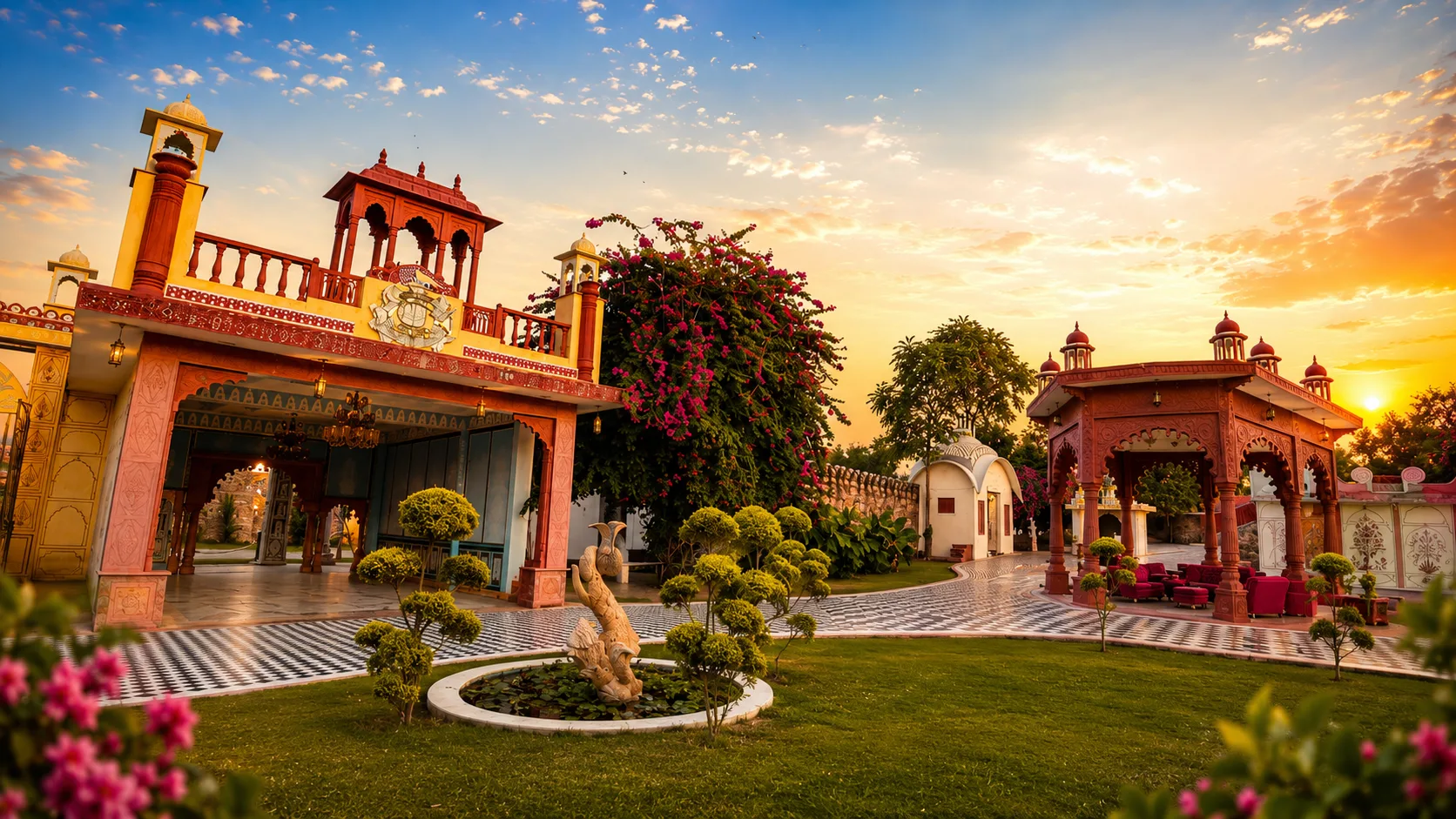
Natural surroundings influence how guests use their free time. Landscaped areas, trees, open views and quieter corners can encourage people to spend more time outside their rooms. These environments are not merely decorative. They can support walking, conversation, family photography and periods of rest between organised activities.
Lohagarh Fort Resort benefits from its setting near the Aravalli landscape. Its fort-inspired architecture and green surroundings create a visual environment that feels different from a dense city hotel. Guests can experience Jaipur’s cultural character while also enjoying the slower rhythm associated with a spacious resort stay.
The effect is particularly noticeable during mornings and evenings, when families may prefer to explore the property without a fixed objective. These unscheduled periods often produce photographs and memories that could not have been planned in advance.
Activities Should Create Choice, Not Pressure
A resort with multiple activities can add energy to a family holiday, but quantity alone does not determine quality. Activities must be suitable for the guests, available at practical times and supported by clear information. Families should also feel free to participate selectively rather than believing that every listed activity must be completed.
At Lohagarh Fort Resort, guests can choose from indoor and outdoor recreational options according to interest, age, season and availability. The purpose of this variety is not to create another demanding schedule. It is to give families alternatives when they want to spend time together, introduce children to something new or add a playful moment to the day.
Seasonal conditions also matter. Some outdoor experiences may be more suitable during particular months or times of day. Travellers should confirm current activity schedules directly with the resort instead of relying only on older online listings.
Why Hospitality Is Remembered Emotionally
Guests may forget the precise dimensions of a room or the number of dishes on a menu, but they often remember how the stay made them feel. They remember whether the arrival felt welcoming, whether staff members communicated respectfully and whether their family could relax without unnecessary difficulties.
Emotional memory is created through many small interactions. A staff member providing clear directions, a housekeeping request handled promptly or a meal adapted thoughtfully can influence the perception of the entire property. These moments rarely appear in marketing photographs, yet they are central to hospitality.
A Top Resort in Jaipur should therefore be evaluated through the consistency of its guest experience rather than a single impressive feature. The strongest resorts create confidence across multiple stages of the stay, from the initial enquiry and arrival to the final departure.
The Value of Staying Together
One of the greatest benefits of a resort holiday is the opportunity for families to remain together without needing to participate constantly in the same activity. Guests can separate for a while, follow their preferences and reconnect naturally throughout the day.
This pattern is difficult to create during a city holiday dominated by transportation and fixed sightseeing schedules. Time is repeatedly divided between vehicles, queues, attractions and restaurant searches. A resort reduces some of this movement by bringing accommodation, dining and recreation into one environment.
At Lohagarh Fort Resort, the diversity of rooms, suites, villas and family accommodation helps different groups stay within the same campus. This arrangement can support family holidays, reunions and celebrations where shared time matters as much as the formal purpose of the visit.
Planning Enough, but Not Too Much
A successful resort stay still requires some preparation. Families should understand their room arrangements, meal plan, activity availability, check-in timing and transportation requirements. They should also consider the needs of children and elderly guests before finalising the booking.
However, planning should create freedom rather than remove it. Reserving every hour can prevent guests from responding to the environment, weather and energy levels of the group. A better approach is to identify a few important experiences and leave sufficient time around them.
This balance allows the resort to become more than a backdrop. Guests begin to engage with the property, discover their own favourite spaces and develop a holiday rhythm that feels personal.
Conclusion
The quality of a resort stay cannot be measured only through the room, the number of facilities or the length of the activity list. It is also shaped by the quieter hours in which guests decide for themselves what to do next.
Lohagarh Fort Resort offers an environment where accommodation, dining, recreation, green surroundings and family time can remain connected. Planned experiences provide structure, while unscheduled hours give the holiday its emotional character.
When families return home, they may remember the major activities and photographs, but they often value something less visible: the feeling that they had enough time to be together. That feeling is one of the clearest signs that a resort holiday has achieved its real purpose.