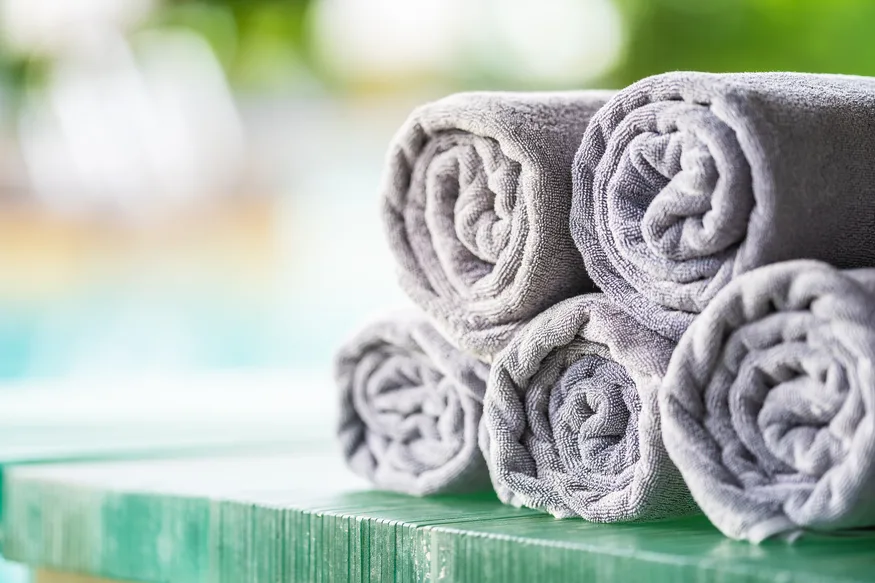
A great workout involves more than exercise equipment, motivating music, and a welcoming atmosphere. Small details also shape how people feel about a fitness facility, and clean, comfortable towels are one of them. Whether someone is lifting weights, cycling indoors, stretching after a long day, or running on a treadmill, a reliable towel can make the experience more pleasant.
For gym owners and fitness managers, providing towels may seem like a simple task. However, keeping enough clean towels available, collecting used ones, and maintaining consistent washing standards can quickly become a daily challenge. When these responsibilities are not managed properly, members may encounter empty towel stations, unpleasant odors, or damp towels that make them question the facility's cleanliness.
Choosing suitable towels and creating a dependable system for managing them can help fitness businesses maintain a welcoming environment. It can also make everyday operations easier for employees while giving members one less thing to worry about before exercising.
Why Towels Matter in a Fitness Environment
Exercise naturally produces sweat, especially during intense activities. Towels give members a convenient way to wipe their faces, dry their hands, and manage perspiration throughout a workout.
Their value extends beyond comfort. A clean towel can be used as a barrier between the body and shared exercise surfaces, such as benches or mats. However, towels should never replace proper cleaning and disinfection of gym equipment.
Imagine visiting a gym where everything looks organized, but the towel station is empty. Even if the facility has excellent machines and experienced trainers, that missing convenience can affect the overall impression. By contrast, a well-stocked towel area suggests that the business pays attention to its members' everyday needs.
For fitness centers that want to create a positive experience, towels are not merely an extra amenity. They are part of the service members notice and appreciate.
Choosing the Right Towels for Different Activities
Not every towel serves the same purpose. Selecting suitable options for different areas of a gym can improve comfort, simplify handling, and reduce unnecessary laundry expenses.
Small Towels for Everyday Workouts
Compact towels are useful for members who need something lightweight and easy to carry between machines. They can help absorb sweat during cardio sessions, weight training, and group fitness classes.
Smaller towels also take up less storage space than oversized alternatives. For facilities with limited room near workout stations, this can be a practical advantage.
The most important consideration is absorbency. A towel should handle ordinary perspiration without becoming uncomfortable to use after only a few minutes.
Larger Towels for Showers and Changing Rooms
Larger towels are better suited to shower areas, locker rooms, and facilities that offer premium member amenities. They provide more coverage and can make the post-workout routine more comfortable.
Because these towels use more fabric, they generally require more storage space and laundry capacity. Gym managers should consider these practical requirements before deciding how many to provide.
Towels for Equipment and Training Areas
Some facilities keep separate towels for cleaning tasks and member use. This distinction helps employees maintain a more organized routine.
Cleaning cloths should be clearly separated from personal-use towels, and staff should follow the facility's established procedures for cleaning equipment. A towel intended for wiping sweat should not automatically be treated as a substitute for an approved cleaning product.
Clear separation makes it easier for employees to identify the correct supplies and helps prevent avoidable mistakes.
What Makes a Good Gym Towel?
A towel may look attractive when new, but its everyday performance matters much more. Fitness businesses need products that remain useful through frequent washing and repeated handling.
Absorbency: A good towel should soak up moisture effectively rather than simply moving it across the skin. Cotton is a common choice because it is generally absorbent and comfortable.
Softness: Towels should feel pleasant against the skin. Rough or stiff fabric can make a basic amenity less enjoyable, particularly for members who exercise several times a week.
Durability: Gym towels face regular washing, drying, folding, and distribution. Strong stitching and suitable fabric construction can help them withstand this demanding routine.
Practical sizing: Smaller towels work well for quick sweat management, while larger towels are more appropriate for showers. Offering the right size for each purpose can prevent unnecessary waste.
Consistent quality: Replacing towels with inconsistent sizes, textures, or absorbency can make inventory management more complicated. Using a consistent range of products helps create a more predictable experience.
Ultimately, the best choice balances comfort, performance, durability, and the cost of maintaining a reliable supply.
Cleanliness Should Always Come First
A gym brings together people with different exercise habits, schedules, and personal hygiene routines. Since towels come into contact with skin and perspiration, careful handling is essential.
Used towels should be collected promptly and kept separate from clean inventory. Employees should avoid placing fresh towels on surfaces where used items have been stored. These simple steps help prevent clean supplies from becoming contaminated during routine operations.
Establish a Reliable Washing Routine
Towels should be washed after each use, following the fabric manufacturer's instructions and appropriate laundry procedures. Using suitable detergents, correct washing temperatures, and thorough drying helps maintain freshness while protecting the fabric.
A towel that remains damp for extended periods can develop unpleasant odors. For this reason, clean towels should be dried completely before being folded and stored.
Store Clean Towels Properly
Clean towels need a designated storage area that protects them from dust, moisture, and unnecessary handling. Closed cabinets or suitable covered shelving can help maintain an orderly supply.
Employees should also inspect towels before returning them to circulation. Items with persistent odors, visible stains, damage, or signs of wear should be removed for appropriate treatment or replacement.
These practices are easier to maintain when the facility has clear responsibilities and a routine that every team member understands.
Managing Towel Inventory Without Creating Extra Work
One of the biggest challenges for gym operators is having the right quantity of towels available throughout the day.
A facility may have plenty of towels during quiet morning hours but run short during the evening rush. This often happens because inventory planning is based on average demand rather than actual usage patterns.
A simple solution is to track how many towels members use during different periods. For example, a gym that experiences heavy traffic after work may need a larger clean supply before evening classes begin.
Managers should consider several factors when calculating their requirements:
- The number of daily members and visitors.
- The number of towels used by each person.
- The frequency of towel collection and replenishment.
- The time required for washing, drying, and delivery.
- Additional stock needed during busy periods or unexpected demand.
Keeping a reasonable reserve also helps businesses handle equipment failures, delayed laundry cycles, or unusually crowded days.
Inventory checks do not need to be complicated. Even a basic record of towels issued, collected, and returned can reveal patterns that help managers make better purchasing and scheduling decisions.
How Professional Towel Services Can Help
Managing towels internally requires staff time, washing equipment, laundry supplies, storage space, and a dependable collection process. For some fitness businesses, handling everything in-house may be practical. For others, it can distract employees from more important responsibilities, such as assisting members and maintaining workout areas.
A professional towel service can take over agreed-upon tasks such as collecting used towels, laundering them, and delivering clean replacements on a regular schedule.
For facilities considering a fitness towel service in Washington DC, the most useful arrangement is one that reflects the gym's actual requirements. A small studio may need a modest supply several times a week, while a busy fitness center may require larger quantities and more frequent deliveries.
Before choosing a provider, gym managers should ask a few important questions:
- What towel sizes and fabric options are available?
- How frequently can clean towels be delivered?
- How are used towels collected and transported?
- What procedures are followed for washing and drying?
- How are shortages, damaged towels, or unexpected demand handled?
- Are pickup schedules and replacement quantities flexible?
- What charges apply to delivery, additional inventory, or special requests?
Clear answers make it easier to compare providers and avoid misunderstandings later.
Synergy Linens can be a useful name for fitness businesses to consider when exploring professional linen and towel support. As with any provider, managers should review the available service arrangements, delivery schedules, product options, and pricing to determine whether they suit the facility's needs.
Making Towel Management More Cost-Effective
The cheapest towel is not necessarily the least expensive option over time. A low-cost product that wears out quickly may need frequent replacement, while a more durable towel may provide better long-term value.
Gym managers should consider the complete cost of maintaining their towel supply. This includes purchasing towels, washing and drying them, paying staff to handle laundry, replacing damaged items, and storing inventory.
For example, a facility with its own laundry room might save on external service fees but spend more on electricity, water, detergent, equipment maintenance, and employee time. Another gym might find that outsourcing is more convenient, even if the direct service charge is higher.
The right choice depends on the business's size, available equipment, staffing, and expected towel usage.
Regular reviews can help identify waste. If hundreds of towels remain unused while certain stations run out every evening, the problem may be distribution rather than overall supply. Moving inventory to the areas where it is needed can improve availability without requiring additional purchases.
Small Improvements That Enhance the Member Experience
Gym members often remember how easy or difficult it was to complete their workout. Having a clean towel ready when needed removes a minor inconvenience and helps people focus on their fitness goals.
Facilities can improve the experience through a few straightforward practices:
- Place clean towel stations in convenient, clearly marked locations.
- Provide separate collection bins for used towels.
- Refill supplies before scheduled classes and busy periods.
- Keep storage areas neat and easy for employees to access.
- Ask members for feedback about towel availability and quality.
- Review usage regularly to identify shortages or unnecessary waste.
These changes do not require an expensive renovation. Often, better organization and consistent routines make the greatest difference.
Conclusion
Fitness towels may seem like a small part of gym operations, but they contribute to comfort, cleanliness, and the overall impression a facility creates. The right products, thoughtful storage, proper washing procedures, and dependable inventory management help businesses provide a better experience for their members.
Gym owners should assess their daily demand, select towels that withstand frequent use, and establish clear procedures for collecting and replenishing supplies. When in-house laundry becomes difficult to manage, a professional service may offer a practical alternative.
By paying attention to this everyday detail, fitness facilities can keep their spaces better organized, reduce unnecessary work, and make each visit more comfortable. A well-managed towel program supports the larger goal of creating a gym where members feel welcome and can concentrate on what matters most: their health and fitness.