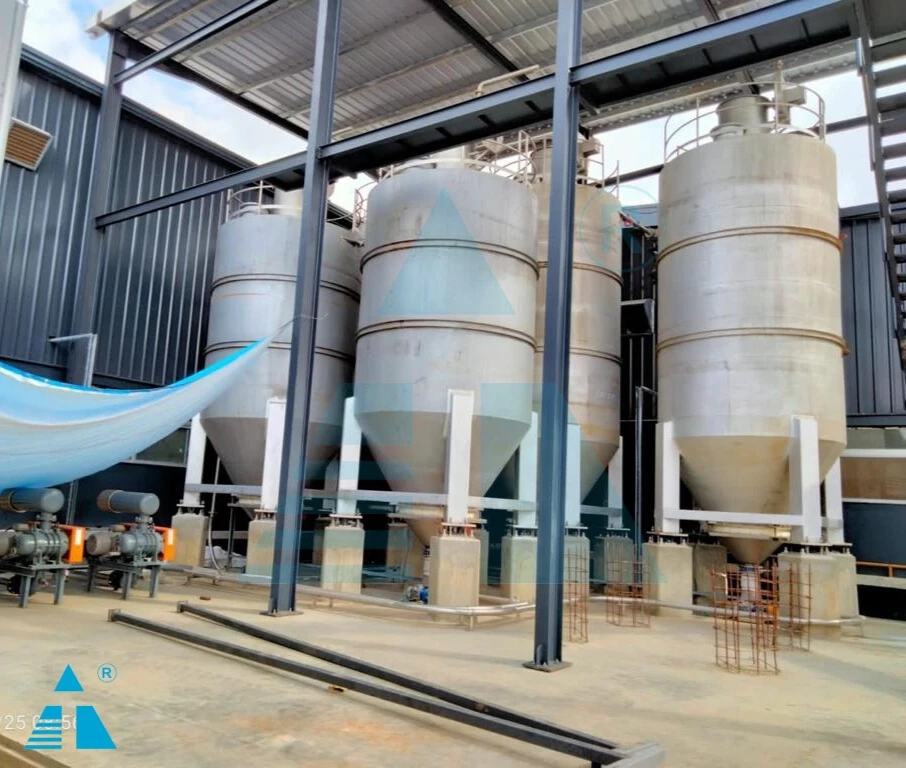
In the food and beverage industry, maintaining hygiene, product quality, and consistent production standards is non-negotiable. One of the most critical components in any processing or storage line is the storage vessel itself. Modern manufacturers increasingly rely on SS Storage Tanks to store liquids, syrups, juices, dairy products, and other consumables safely and efficiently.
From stainless steel’s corrosion resistance to its sanitary design, SS Storage Tanks ensure that food and beverage products remain uncontaminated while streamlining production workflows.
Key Benefits of SS Storage Tanks in Food & Beverage Processing
1. Hygienic & Contamination-Free Storage
Unlike mild steel or other materials, stainless steel is non-reactive and resistant to bacterial growth. SS Storage Tanks provide a smooth, non-porous surface that is easy to clean and sanitize, meeting international food safety standards such as FSSAI and FDA.
This reduces the risk of contamination, preserving product integrity and consumer trust.
2. Corrosion Resistance
Food products often contain acids, salts, or moisture that can corrode conventional storage tanks. SS Storage Tanks, typically made from 304 or 316 stainless steel, resist corrosion, ensuring long-term durability and minimal maintenance.
Investing in corrosion-resistant storage solutions prevents product spoilage and reduces operational costs over time.
3. Temperature Control & Versatility
Many food and beverage processes require precise temperature control. SS Storage Tanks can be customized with jackets for heating or cooling liquids, making them suitable for dairy, juices, syrups, sauces, and even alcoholic beverages.
This versatility helps manufacturers maintain consistent quality and texture across production batches.
4. Durability & Long-Term Cost Efficiency
Stainless steel is extremely durable and can withstand mechanical stress, high pressures, and continuous use. While the initial investment in SS Storage Tanks may be higher than mild steel alternatives, the long-term benefits—reduced maintenance, minimal replacements, and lower product loss—make them cost-effective.
5. Compliance with Industry Standards
Food and beverage industries are heavily regulated. SS Storage Tanks are designed to comply with global standards, ensuring hygienic storage and ease of inspection. Using certified stainless steel tanks simplifies regulatory audits and quality certifications.
🔹 Applications of SS Storage Tanks in Food & Beverage Industry
- Dairy Processing: Milk, cream, whey, and yogurt storage
- Beverages: Juices, soft drinks, syrups, and concentrated liquids
- Confectionery: Sugar syrup, chocolate, and liquid flavorings
- Breweries & Distilleries: Fermentation and storage of alcoholic beverages
- Food Processing Units: Sauces, oils, and liquid ingredients
No matter the type of liquid, SS Storage Tanks ensure hygiene, quality, and safety throughout storage and production.
🔹 Why Modern Manufacturers Prefer SS Storage Tanks
Choosing SS Storage Tanks over other materials is no longer optional—it’s essential. The advantages include:
- Reduced risk of contamination
- Long lifespan with minimal maintenance
- Resistance to corrosion and chemical reactions
- Compatibility with temperature-sensitive products
- Compliance with stringent food safety regulations
Ultimately, stainless steel tanks not only protect the product but also enhance operational efficiency and brand reputation.
🔹 Conclusion
In food and beverage processing, the quality of storage equipment directly impacts product safety, consistency, and profitability. SS Storage Tanks provide the perfect solution, combining hygiene, durability, versatility, and compliance. For manufacturers looking to ensure long-term efficiency and maintain top-quality standards, investing in stainless steel storage tanks is a strategic decision that delivers lasting value.