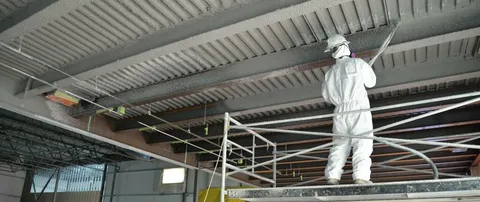
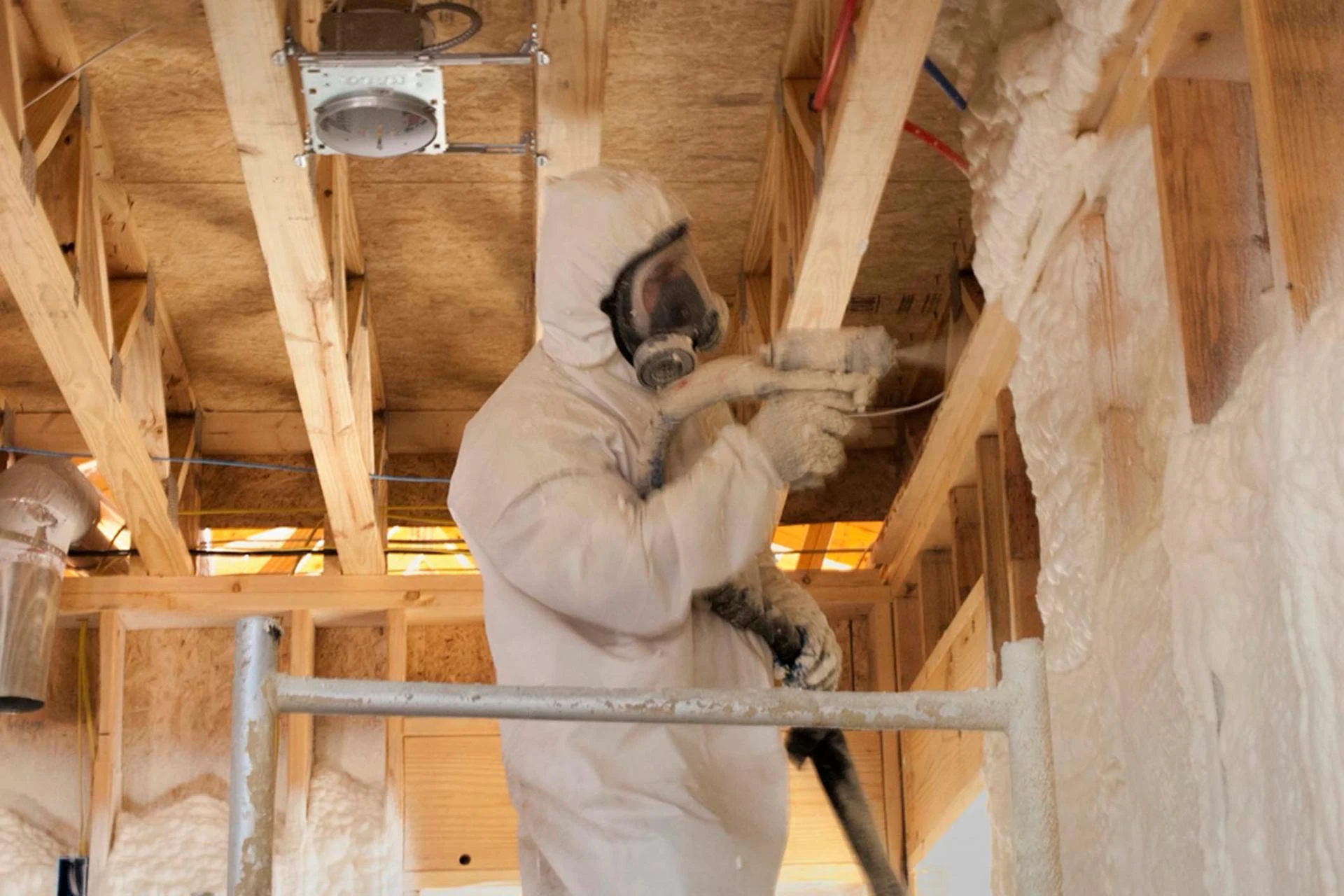
Spray foam insulation provides strong, lasting protection because it creates a single, continuous barrier that adheres directly to the building structure. Unlike traditional insulation materials that are placed into cavities, spray foam expands to fill every gap and crack, creating a monolithic seal. This eliminates air leaks and drafts, which are major sources of energy loss. Furthermore, once cured, spray foam becomes a rigid, inert plastic that doesn't sag, settle, or degrade over time. This permanence ensures it maintains its thermal performance and structural benefits for the life of the building.
This article, based on the experience of spray foam insulation professionals, will explore the specific qualities that make spray foam such a durable solution. We will look at how its application process contributes to its strength, its ability to resist common threats like moisture and pests, and the structural advantages it can offer a home. Understanding these qualities begins with the science of the material itself.
The Science Behind Spray Foam's Durability
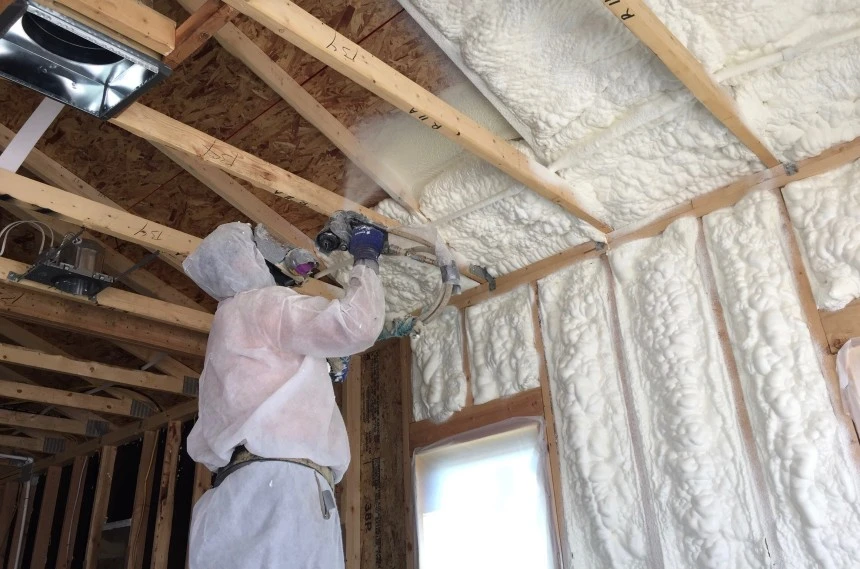
The longevity of spray foam insulation starts with its chemical composition. It is a polyurethane foam created on-site by mixing two liquid components. This chemical reaction causes the liquid to expand rapidly and then harden into a solid mass. Once fully cured, usually within 24 hours, the foam is stable and inert.
This process gives it several advantages over conventional materials:
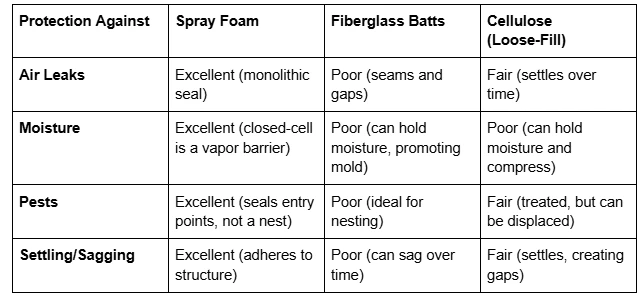
- It Doesn't Settle: Fiberglass batts can sag over time, and loose-fill cellulose can settle, creating gaps at the top of wall cavities. Spray foam adheres to the studs and sheathing, locking it in place permanently.
- It Maintains R-Value: Because it doesn't compress or degrade, its thermal resistance (R-value) remains consistent for decades.
- It Creates an Air Barrier: According to the Department of Energy, air leakage can account for 25-40% of the energy used for heating and cooling a typical home. Spray foam’s ability to seal the building envelope is one of its most significant long-term benefits.
More Than Just Insulation: The Structural Benefits
One of the most overlooked features of spray foam insulation, particularly the closed-cell variety, is its ability to add structural strength to a building. Because it is dense and adheres tenaciously to any surface it touches, it acts like a high-strength glue, bonding framing members and sheathing together.
Studies have shown that applying closed-cell spray foam in wall cavities can increase a structure's racking strength by up to 300%. This is the ability of a wall to resist lateral pressure from forces like high winds, making it an especially good choice in regions that experience severe weather. For older homes with aging structures, it can also help stiffen walls and reduce creaks caused by the building shifting. The foam distributes loads across the entire structure, reducing stress on individual fasteners and joints.
A Barrier Against External Threats
A building's insulation is its first line of defense against the outside world. Spray foam excels at repelling common threats that can damage a home and degrade other types of insulation. Its seamless and solid nature creates a formidable barrier.
Moisture and Mold
Closed-cell spray foam is waterproof and acts as a vapor barrier, preventing moisture from passing through the building envelope. This is extremely important for preventing condensation within walls, which can lead to mold, mildew, and wood rot. Open-cell foam is not a vapor barrier, but it does allow any water that enters the wall cavity to dry out, preventing it from getting trapped.
Pests
Insects and rodents love to nest in soft, fibrous insulation like fiberglass. Spray foam offers little appeal. It's not a food source, and its dense, hard structure makes it difficult for pests to chew through. By sealing all the small cracks and holes in the building's exterior, it also eliminates the primary entry points for these unwanted guests.
Things to Consider Before You Insulate
While spray foam offers great long-term protection, it's important to evaluate if it's the right choice for your specific project.
- Project Goals: Are you trying to achieve the highest possible R-value in a limited space? Closed-cell is your answer. Is sound dampening a major priority? Open-cell is often better. Clearly defining your goals helps guide the decision.
- Building Structure: Applying foam in a new construction home is different from retrofitting an existing one. Professionals have different techniques for each, and the existing condition of the walls, attic, and foundation will influence the best approach.
- Upfront Cost: Spray foam is a premium product with a higher initial cost than traditional insulation. However, this cost should be weighed against the long-term savings on energy bills and the avoidance of future replacement costs.
- Professional Installation: The performance and durability of spray foam are entirely dependent on proper installation. It requires specialized equipment and certified technicians who understand the chemistry and application process. This is not a DIY project.
Common Questions About Spray Foam's Longevity
Does spray foam ever need to be replaced?
No. When applied correctly by a qualified professional, spray foam insulation is a permanent solution. It is designed to last for the entire lifespan of the building without losing its performance characteristics.
Can it get damaged by water?
Closed-cell spray foam is waterproof and will not be damaged by direct contact with water. Open-cell foam will absorb water if exposed to a leak, but it is also permeable, which allows it to dry out completely without losing its shape or R-value once the moisture source is fixed.
Does it shrink or crack over time?
A proper installation ensures the foam adheres fully to the substrate. Poor application technique or off-ratio mixing can lead to shrinkage, but this is an installation error, not a product failure. Quality installers guarantee their work against such issues.
How does it hold up in extreme temperatures?
Spray foam is very stable across a wide range of temperatures, from extreme cold to high heat. This makes it an ideal insulation material for climates with harsh winters and hot summers, as it won't become brittle or soft.
Is there a warranty on the material?
Most spray foam manufacturers offer a limited lifetime warranty on the product itself. This covers any defects in the material, providing homeowners with additional peace of mind about their investment.
Making a Lasting Investment
Spray foam insulation provides strong and lasting protection because it becomes an integral part of the building itself. Its ability to create a seamless air seal, add structural integrity, and resist moisture and pests makes it a durable choice. For property owners, it represents a long-term investment in energy efficiency, structural health, and indoor comfort.
Get a Professional Opinion on Your Project
The best way to understand if spray foam is right for your home is to have it evaluated by an expert. They can assess your property’s specific needs and provide a clear recommendation on the type of foam and application strategy that will deliver the best results. For those in the area, the professionals at FOAMWORX Spray Foam Insulation offer comprehensive consultations. Interested parties can contact their team by phone at (507) 407-0678 or by email at [email protected] to discuss a project.
Reviewer: Jacob Wright has 6 years of experience in spray foam insulation. He reviewed this content and made sure it focused on the real decisions property owners deal with every day.