Spray foam insulation is worth adding to a home because it provides a superior thermal barrier and an air seal in a single application. This dual function is what sets it apart from traditional insulation types. By expanding to fill every crack and crevice, it stops air leakage, which is a leading cause of high energy bills. The long-term energy savings, combined with improved indoor comfort, moisture control, and structural support, often justify its higher initial cost, making it a sound investment for many homeowners.
To understand its value, it's helpful to first look at how spray foam works. This article, drawing from extensive industry experience, will compare the different types available, detail their specific advantages, and outline key factors to consider before making a decision.
The Performance Behind Spray Foam
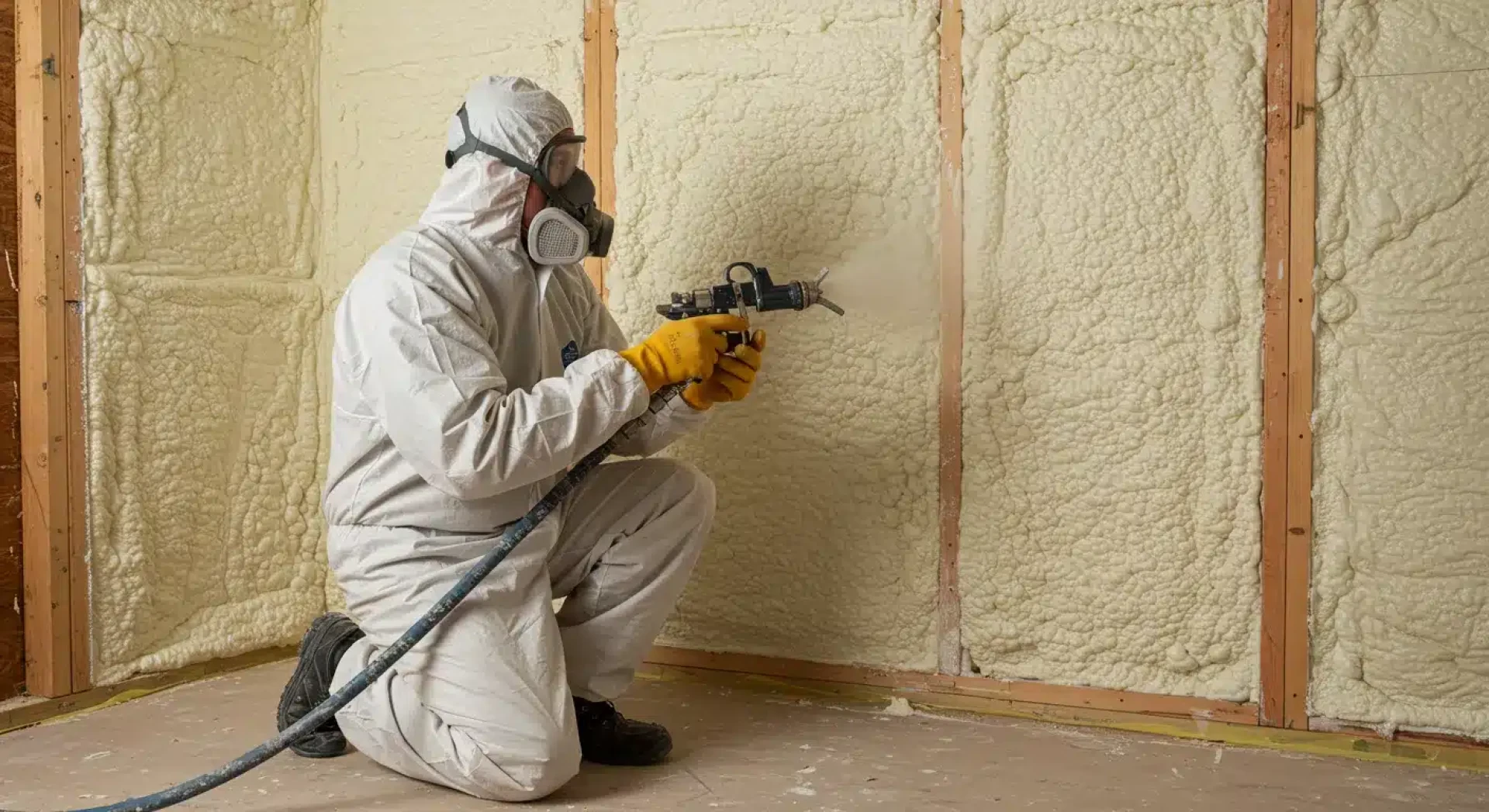
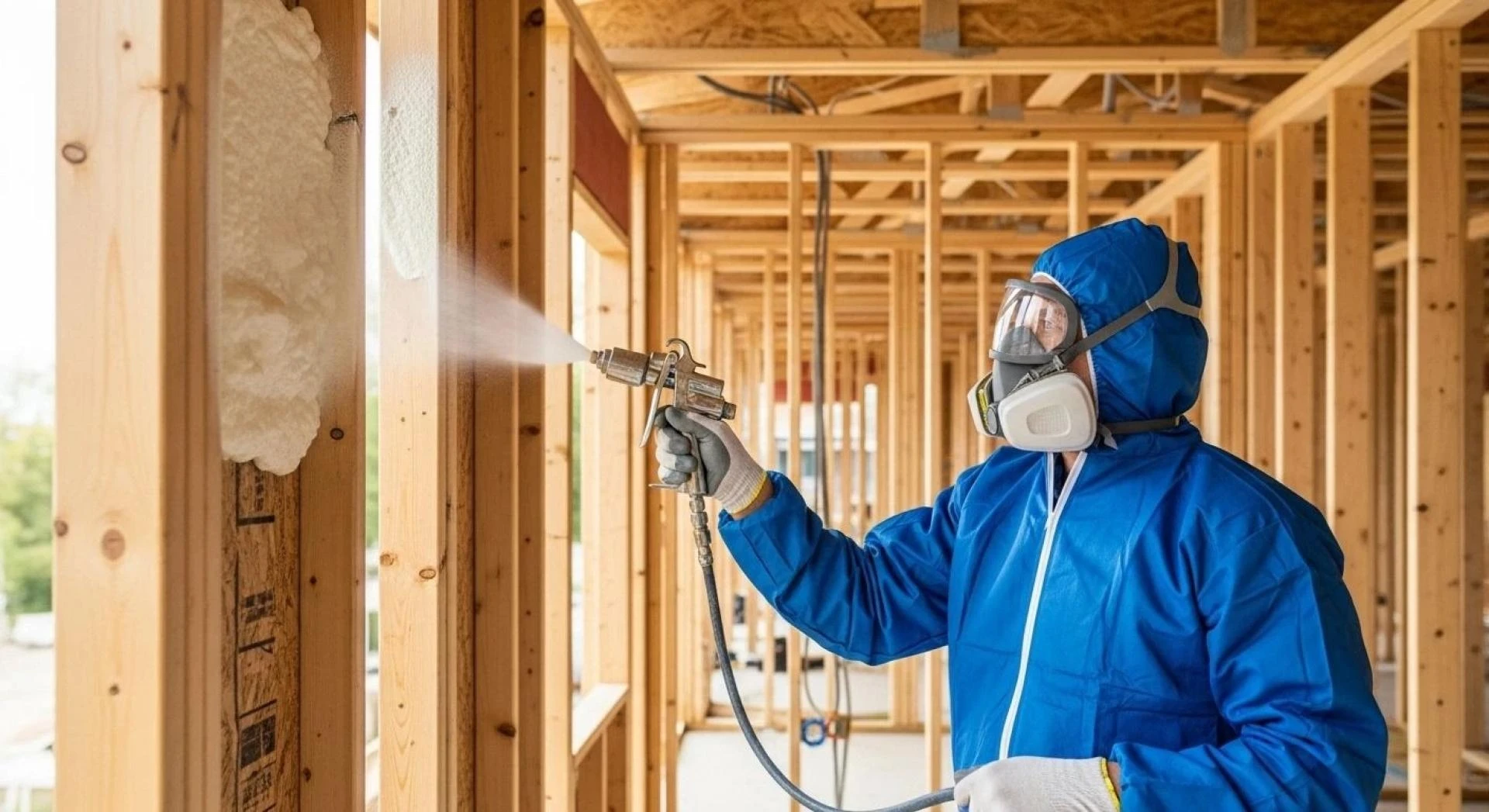
Unlike traditional insulation like fiberglass batts or cellulose, which are placed or blown into cavities, spray foam is applied as a liquid. It's a two-part chemical product that is mixed in the spray nozzle and expands upon contact with a surface, hardening into a solid, continuous insulating barrier. This application method is what allows it to create a custom-fit seal in any space, regardless of shape or obstructions like wiring and plumbing. Because of this precise and adaptable installation process, spray foam insulation solutions offer superior coverage, enhanced energy efficiency, and long-term performance that traditional materials simply can’t match.
There are two main categories of spray polyurethane foam (SPF) used in homes: open-cell and closed-cell. They have different characteristics and are suited for different applications.
Open-Cell Spray Foam
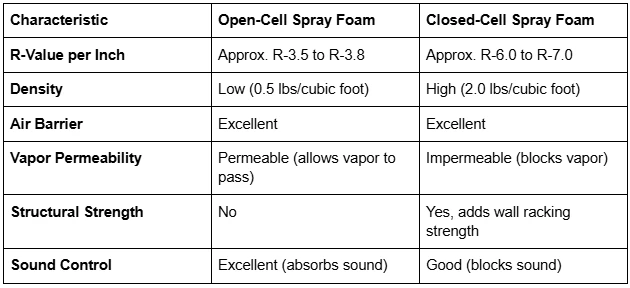
Open-cell foam is a lighter, less dense product. Its cells are intentionally left open, creating a soft, flexible, and spongy texture. It's an excellent air barrier, but it is permeable to vapor and moisture.
- Best for: It is best suited for interior walls, ceilings, and spaces where sound dampening is a priority. Its flexibility allows it to expand and contract with the building's movement.
- Key Feature: The foam's primary strength is sound absorption, making it a great choice for media rooms, home offices, or walls between bathrooms and bedrooms.
Closed-Cell Spray Foam
Closed-cell foam is a much denser and more rigid material. Its cells are closed and packed tightly together, filled with a gas that helps the foam rise and provides a very high R-value.
- Best for: This type is best for exterior walls, roofs, basements, and crawl spaces. Its rigidity adds structural strength to the building assembly.
- Key Feature: A key feature is that closed-cell foam is an all-in-one insulation solution. It acts as an air barrier, thermal insulator, and vapor barrier, making it particularly valuable in damp climates like the Pacific Northwest.
Comparing the Two Types of Spray Foam
Choosing between open-cell and closed-cell foam depends on the project's specific goals, budget, and location within the home.
Bonus Tip: In a region like Seattle, using closed-cell spray foam in the rim joists of a basement or crawlspace is one of the most effective ways to stop air leakage and prevent moisture from wicking into the home's structure.
Major Benefits of Choosing Spray Foam
The value of spray foam extends well beyond its R-value. Its ability to perform multiple functions is what truly sets it apart.
Superior Energy Efficiency
The U.S. Department of Energy reports that air leakage can account for up to 40% of the energy used for heating and cooling a typical home. Since spray foam creates a powerful air seal, it drastically reduces this energy waste. This means HVAC systems don't have to work as hard, which lowers monthly utility bills and reduces wear and tear on the equipment. The energy savings over time often provide a significant return on the initial insulation investment.
Improved Indoor Air Quality
By sealing the building envelope, spray foam helps keep pollutants out. Dust, pollen, mold spores, and other allergens have fewer entry points into the home. This creates a healthier living environment, especially for people with allergies or respiratory issues. Additionally, because closed-cell foam is moisture-resistant, it doesn't support the growth of mold or mildew within the walls
Long-Term Performance and Durability
Spray foam is a permanent solution. It doesn't sag, settle, or shrink over time like some other insulation materials can. Once installed, it adheres to the structure and maintains its shape and performance for the life of the home. This durability is a major part of its value, but it's also important to understand the upfront considerations.
Things to Consider Before Making a Decision
Spray foam is a high-performance product, but there are important factors homeowners should weigh before choosing it for their project.
The Upfront Cost
Spray foam insulation generally has a higher upfront cost than traditional materials like fiberglass or cellulose. The price can be two to three times higher per square foot. However, it's important to view this as a long-term investment. The energy savings over several years can offset the initial expense, and the added comfort and air quality benefits provide immediate value.
Professional Installation is Required
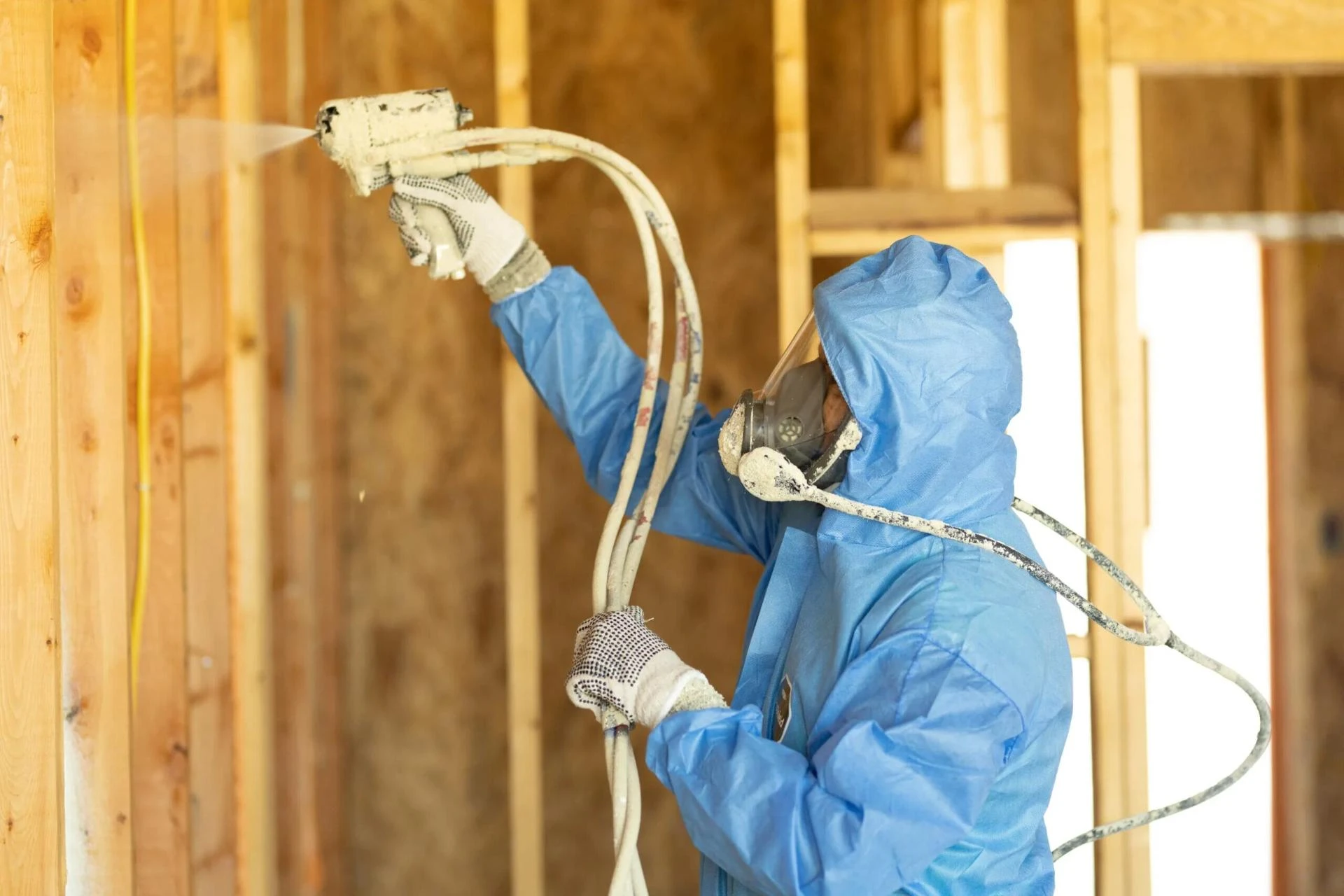
This is not a do-it-yourself project. Applying spray foam requires specialized equipment, safety training, and a deep understanding of building science. The chemical reaction that creates the foam happens on-site, and professional installers are trained to manage the process safely and ensure the product performs as intended. An improper installation can result in poor performance or lingering chemical odors. Because of this, it's wise to ask any potential contractor about their training, certification, and the specific brand of foam they use.
Bonus Tip: Don't hesitate to verify a contractor's experience with residential projects and ask to see the safety certifications for the products they use.
The Needs of Your Specific Project
A whole-house spray foam application isn't always necessary or practical. A home energy audit can help pinpoint the areas with the most significant air leakage and insulation deficiencies. Sometimes, a hybrid approach makes sense. For example, using closed-cell spray foam in the basement and attic to air seal and insulate critical areas, while using a less expensive material in the walls, can be a cost-effective strategy.
Questions About Spray Foam Insulation
Is spray foam insulation safe after it's installed?
Yes. When installed according to the manufacturer's guidelines by a trained professional, spray foam is safe. The foam undergoes a chemical reaction and cures into a solid, inert plastic. The home must be ventilated during and for a period after installation, typically 24 hours, to allow for full curing and dissipation of any odors.
Can spray foam be installed in an existing home?
Absolutely. For homes with existing walls, a slow-rise injection foam can be installed. This type of foam is designed to expand more slowly to fill the cavity completely without damaging the drywall. It's a great way to retrofit an older, drafty house without a major renovation.
Does closed-cell spray foam trap moisture in walls?
This is a common misconception. Closed-cell spray foam acts as a vapor barrier, which stops moisture from entering the wall cavity in the first place. In a cold or mixed climate, this is a good thing, as it prevents warm, moist indoor air from reaching a cold exterior sheathing where it could condense. Proper placement of the vapor barrier is key, which is why professional installation is so important.
How does spray foam affect a home's resale value?
Homes insulated with spray foam are often marketed as being highly energy-efficient. This is an attractive feature for potential buyers who are increasingly conscious of utility costs and comfort. A well-insulated home can be a significant selling point and may lead to a higher resale value.
Will pests eat spray foam?
Spray foam is not a food source for pests. While no insulation is completely pest-proof, the rigid nature of cured spray foam and the complete air seal it provides make it an effective deterrent. It eliminates the small gaps and cracks that rodents and insects often use to enter a home. Since every home is different, many find that a professional consultation is the best way to move forward.
Getting Professional Advice for Your Home
Given the technical nature of spray foam insulation, consulting with experienced professionals is the best way to determine if it's the right choice for a specific home. They can conduct an evaluation, explain the benefits of open-cell versus closed-cell for different applications, and provide a clear understanding of the costs and long-term value. For homeowners in the Pacific Northwest, the team at Cascadia Spray Foam Insulation of Seattle specializes in these solutions. They can be reached for a consultation at (425) 386-3500 or via email at [email protected].
Reviewer: Olivia Thompson has spent 10 years working in spray foam insulation, helping companies grow their visibility. She reviewed this article and provided valuable suggestions on how to better align the content with the needs and expectations of customers, ensuring it resonates with the target audience.