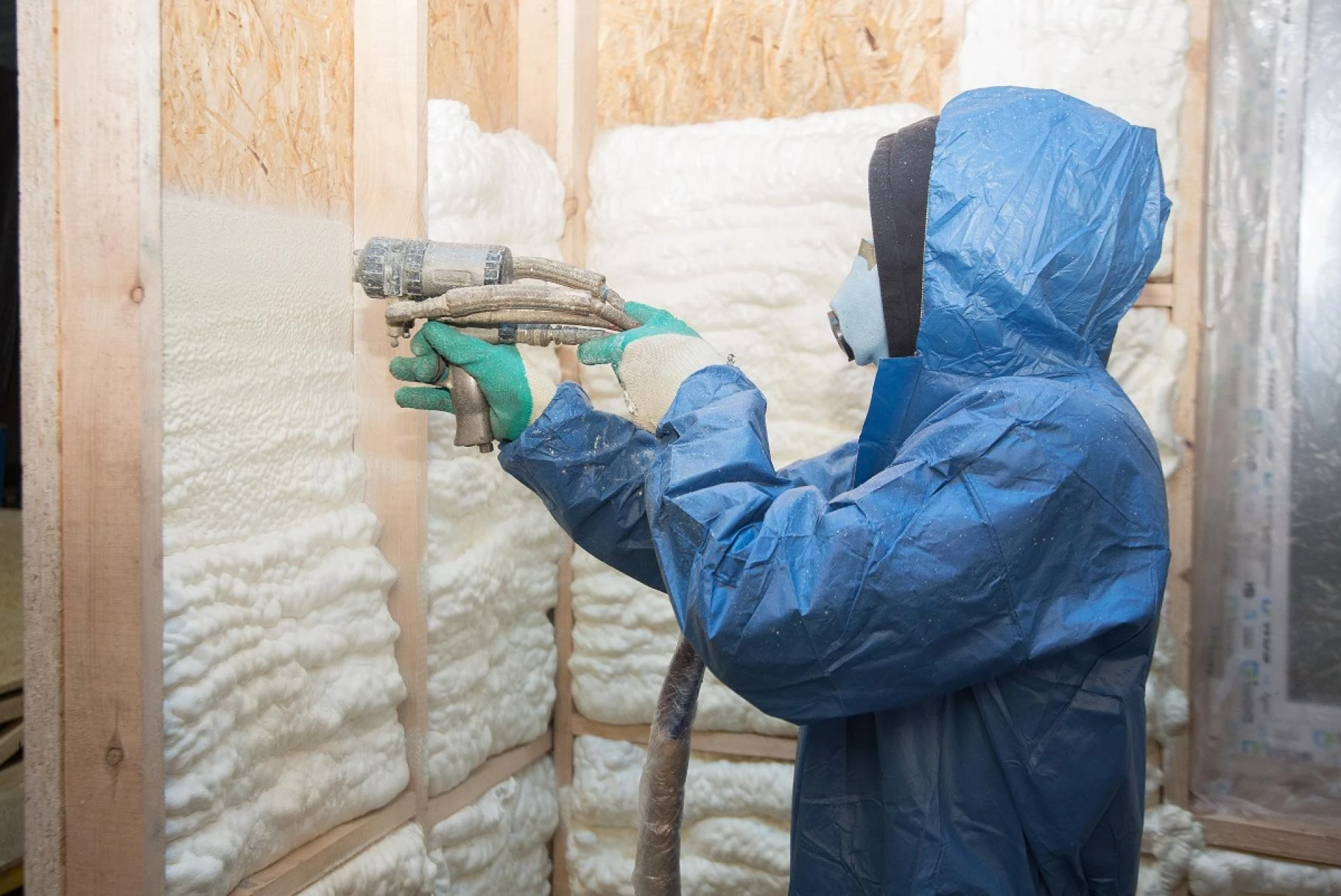
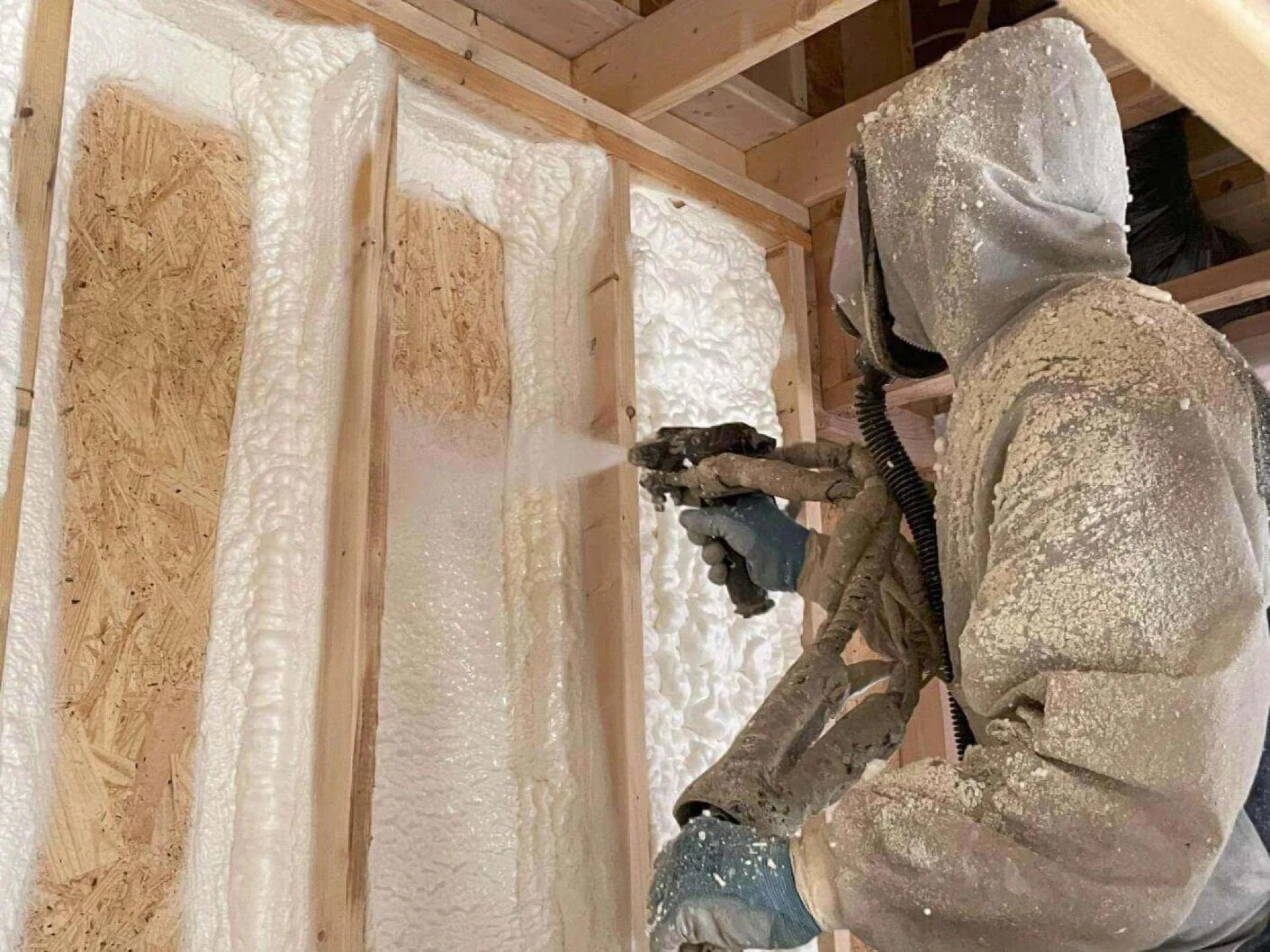
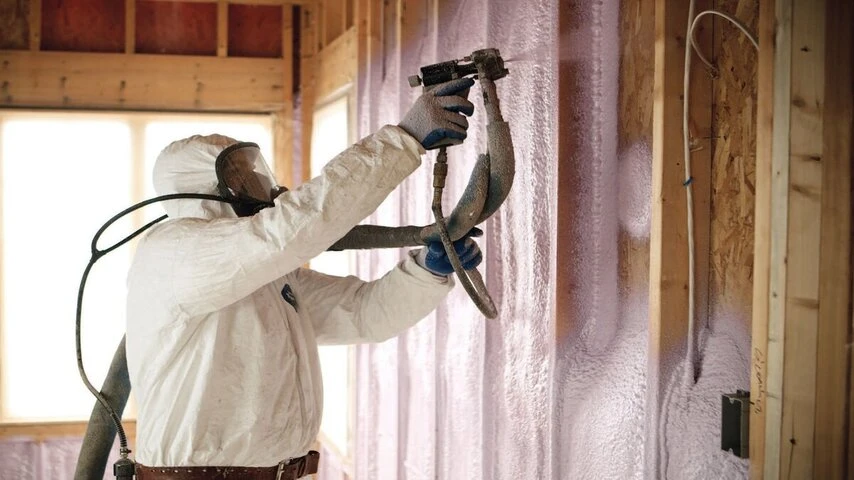
Spray foam insulation offers a superior solution for contemporary building needs by providing a total air seal and high thermal resistance in a single application. Unlike traditional materials that leave small gaps for air to escape, this liquid-applied product expands to fill every crack and crevice within a wall or roof deck. This process creates a custom-fitted barrier that prevents conditioned air from leaking out and keeps unconditioned outdoor air from entering the living space.
Homeowners and builders often choose this material to achieve maximum energy efficiency and indoor comfort. Modern spray foam insulation demands tighter building envelopes to meet strict energy codes,the most effective way to meet these requirements. The following sections provide a detailed look at how this technology works, the different types available, and why it outperforms older methods like fiberglass or cellulose.
Expertise in the construction industry shows that proper insulation is the most significant factor in a home's long-term durability. Professionals who have spent years in the field understand that air infiltration accounts for nearly 40 percent of a building's heat loss. By addressing this specific issue, spray foam provides a level of performance that other materials simply cannot match.
Performance Benefits of Modern Spray Foam
Spray foam insulation creates a continuous thermal envelope that significantly reduces the workload on heating and cooling systems. Because the material expands upon application, it reaches into corners and around electrical outlets where air leaks typically occur. This air-sealing capability is why many property owners see a reduction in their monthly utility bills of up to 40 percent.
- The material serves as both an insulation layer and an air barrier, eliminating the need for separate house wraps or tapes in many areas.
- It maintains its shape over time and does not sag or settle like loose-fill products, ensuring consistent performance for decades.
- The expansion properties allow it to seal tiny bypasses around plumbing stacks and wires that are impossible to reach with traditional batts.
- By blocking outdoor pollutants and allergens, it contributes to much cleaner indoor air quality for the occupants.
Superior Thermal Resistance and Air Sealing
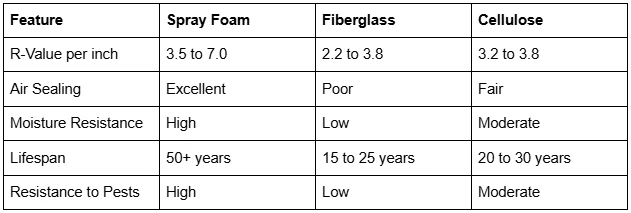
Thermal resistance is measured by R-value, and spray foam offers some of the highest values per inch in the industry. This means a thinner layer of foam can provide the same or better protection than a much thicker layer of fiberglass. In modern homes with limited wall cavity space, this high efficiency is a major advantage for meeting energy goals.
High R-Value per Inch
Closed-cell spray foam typically provides an R-value of about 6.5 to 7.0 per inch of thickness. This density makes it ideal for narrow spaces or areas where maximum protection is needed in a shallow profile. Open-cell foam offers a lower R-value, usually around 3.5 to 3.8 per inch, but it provides better sound dampening and is more cost-effective for large interior walls.
Bonus Tip For Better PerformanceUsing a combination of closed-cell foam for the exterior shell and open-cell foam for interior partitions can optimize both the budget and the acoustic comfort of a home. This hybrid approach allows for a strong air seal where it matters most while reducing noise transfer between rooms.
Understanding Blowing AgentsThe chemical reaction that creates the foam uses blowing agents to expand the liquid into a solid. Modern formulations use low-global-warming-potential agents that are safer for the environment than the products used ten years ago. These advancements make the material a more sustainable choice for eco-conscious builders.
Moisture Control and Structural Integrity
Spray foam acts as a barrier against moisture, which is a leading cause of rot and mold in residential structures. Closed-cell foam is particularly effective because it is vapor-impermeable and does not absorb water. This characteristic helps protect the wood framing of a house from dampness and humidity.
Preventing Condensation Issues
Condensation occurs when warm, moist air hits a cold surface. By creating an airtight seal, spray foam prevents indoor air from reaching the cold exterior sheathing of a home. This eliminates the "dew point" within the wall cavity, keeping the structural components dry and free from fungal growth.
Bonus Tip For Humidity ManagementIn very tight homes, it is necessary to include a mechanical ventilation system like an ERV or HRV. Since the foam stops all natural air leakage, these machines ensure that fresh air enters the home in a controlled manner while exhausting stale air.
Comparing Spray Foam to Traditional Materials
When evaluating insulation options, it is helpful to look at how different materials stack up in terms of performance and longevity. While the initial cost of spray foam is higher than fiberglass or cellulose, the long-term savings often justify the investment. Market data indicates that high-efficiency homes often command a higher resale value due to their lower operating costs.
Modern builders also appreciate that closed-cell foam adds structural strength to the walls. Tests have shown that walls filled with closed-cell foam can be up to three times more resistant to racking loads than those with traditional insulation. This added rigidity is particularly beneficial in regions prone to high winds or heavy snow loads.
Regional Climate Adaptability
Spray foam is effective in all climates, from the freezing temperatures of the north to the humid heat of the south. In cold regions, it prevents ice dams by stopping heat from escaping into the attic and melting snow on the roof. In warm climates, it keeps the attic cool, which prevents air conditioning ducts from sweating and losing efficiency.
- In coastal areas, closed-cell foam provides a secondary water barrier that can help protect the interior during wind-driven rain events.
- In mountain regions, the air-sealing properties stop cold drafts from whistling through small gaps in the timber framing.
- In desert environments, the high R-value blocks intense radiant heat from the sun, keeping the home comfortable during peak daytime hours.
- In humid river valleys, the vapor barrier properties of the foam prevent moisture from migrating into the wall cavities.
Things to Consider Before Making a Decision
Before choosing a provider, property owners should evaluate several factors that influence the success of the installation. The quality of the application is just as important as the material itself. Because this is a chemical process that happens on-site, the environment must be controlled for temperature and humidity during the spray.
- Verify that the installers are certified by the manufacturer and have experience with the specific type of foam being used.
- Plan for the building to be vacant for at least 24 hours after application to allow the gases to dissipate and the foam to fully cure.
- Ensure that any combustion appliances, like gas water heaters, have proper direct-venting to the outside to avoid back-drafting in a tight home.
- Compare the costs of open-cell versus closed-cell foam to determine which fits the specific needs of each part of the structure.
Questions People Ask About Spray Foam Insulation
Is spray foam insulation safe for my family?
Once the material has fully cured, which usually takes 24 hours, it is inert and does not release harmful fumes. It actually improves safety by reducing the entry of outdoor pollutants and preventing the growth of mold and mildew within the walls.
How much money can I save on my energy bills?
Most homeowners see a reduction in heating and cooling costs of 15 to 40 percent. The exact amount depends on the local climate and the efficiency of the HVAC system, but the air-sealing effect provides immediate results.
Does it really last for the life of the home?
Yes, spray foam does not settle, shrink, or degrade over time. As long as the structure remains intact and the foam is not exposed to direct sunlight for long periods, it will continue to perform for many decades.
Can spray foam be installed in an existing home?
It is most common in new construction or major renovations where the wall studs are exposed. However, it can be injected into existing walls or sprayed onto attic floors and roof decks to improve the efficiency of older properties.
Does it help with noise reduction between rooms?
Open-cell spray foam is an excellent sound-dampening material. It absorbs sound waves and reduces the transmission of noise through walls, making it a popular choice for home offices, bedrooms, and media rooms.
Final Considerations for Property Owners
Choosing the right insulation is a decision that affects the comfort and cost of a home for years to come. While there are many options on the market, spray foam remains the top choice for those prioritizing performance and durability. It addresses the primary causes of energy loss and structural damage by providing a seamless barrier against air and moisture. Property owners should assess their specific climate and budget to determine if a full or partial foam package is the best fit for their goals.
Professional Insulation Services
When looking for a reliable team to handle these projects, property owners often turn to Wegner Insulation. They provide expert guidance on choosing between open-cell and closed-cell options to ensure every home achieves its maximum efficiency potential. For more information on their services or to get an estimate for a project, they can be reached at (406) 607-8476. Interested parties may also send an email to [email protected] to discuss their specific insulation needs with a knowledgeable professional.
Author: Richard Hall is a construction professional with experience spanning from his early years. Specializing in spray foam insulation, he has completed extensive training and earned certifications, which led him to start his own company in 2022.
Reviewer: Alexander Davis, with 11 years of experience in spray foam application, provided a review that helped us better address the concerns and goals of companies working on both residential and commercial projects.